
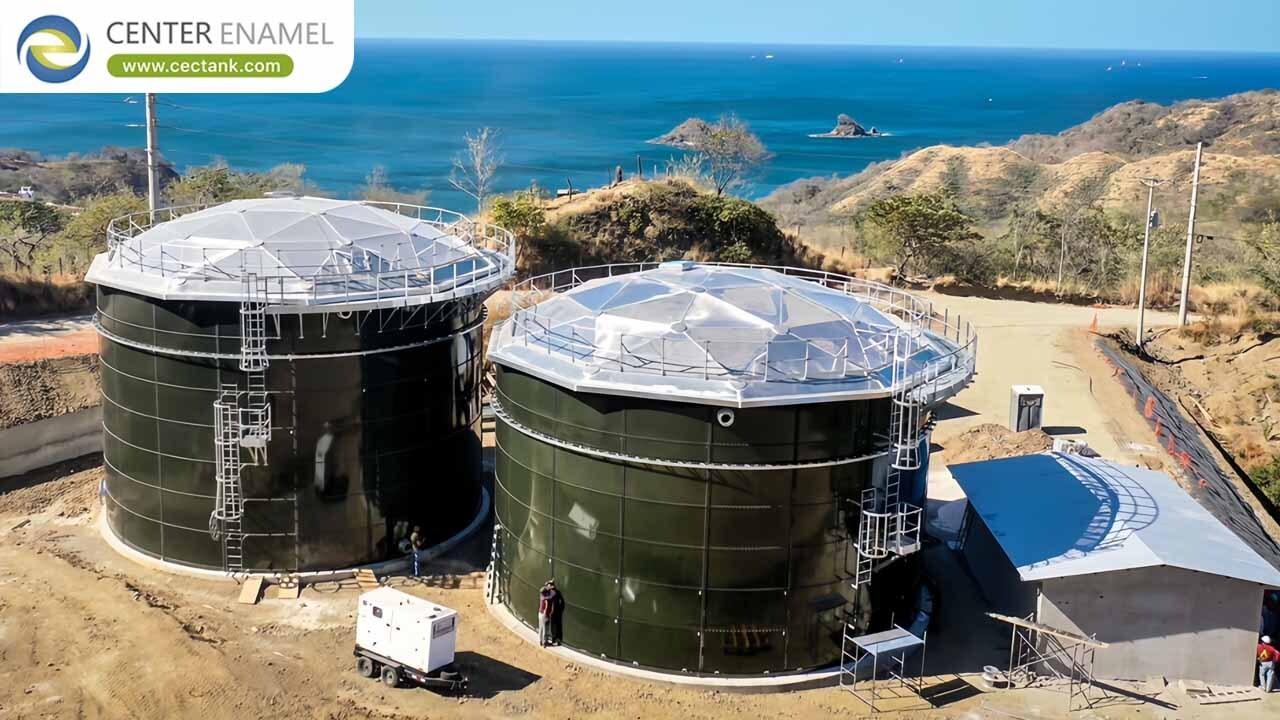
Serbatoio di stoccaggio delle acque reflue industriali da 2000 m³: progettazione, scienza dei materiali e ottimizzazione delle prestazioni
Un piano tecnico per il trattamento delle acque reflue su scala media e la conformità ambientale
Nella gestione delle acque reflue industriali, la scelta dell’infrastruttura di stoccaggio rappresenta un fattore determinante per i costi del ciclo di vita del progetto, l’efficienza operativa e la conformità normativa. Il serbatoio di stoccaggio da 2000 m³ costituisce un “punto ideale” nel trattamento delle acque reflue industriali, offrendo una capacità idraulica adeguata per attività di medie dimensioni, pur mantenendo un ingombro compatto.
Che si tratti di trattamento delle acque reflue municipali, di tampone per effluenti industriali o di digestione anaerobica, lo standard ingegneristico moderno per questi serbatoi si è spostato dai tradizionali materiali come calcestruzzo e acciaio saldato verso Vetro-Fuso-Acciaio (GFS) tecnologia.
1. Il vantaggio dei materiali: perché il vetro-fuso-all’acciaio (GFS)?
Nelle acque reflue industriali, i contenuti sono spesso chimicamente aggressivi, con elevate concentrazioni di cloruri, solfati e valori di pH variabili. Un serbatoio da 2000 m³ richiede un materiale in grado di resistere a tali sollecitazioni per oltre 30 anni senza degradarsi.
La tecnologia del vetro-fuso-all’acciaio fonde il vetro (smalto) sull’acciaio a temperature comprese tra 800°C e 900°C. Questo processo crea un legame chimico più duro dell’acciaio e più inerte della plastica.
- Superiore resistenza alla corrosione:Fornisce una barriera impermeabile sia contro la corrosione interna dei liquidi sia contro gli agenti atmosferici esterni.
- Bassa manutenzione:A differenza dell’acciaio rivestito con resina epossidica, non richiede sabbiatura né ripitturazione durante l’intera durata di servizio.
- Versatilità chimica:È adatto a un ampio intervallo di pH (tipicamente 3–11), risultando quindi ideale per i diversi profili degli afflussi delle impianti di trattamento delle acque reflue industriali.
2. Considerazioni progettuali e strutturali
La progettazione di un serbatoio da 2000 m³ implica il bilanciamento tra carico idraulico, attività sismica e vincoli del sito.
L'approccio modulare avvitato
La capacità di 2000 m³ viene generalmente raggiunta utilizzando un diametro di circa 14–16 metri e un’altezza di circa 10–12 metri. La configurazione modulare offre vantaggi specifici:
- Velocità di installazione:I componenti sono prefabbricati in fabbrica. Il montaggio in loco risulta notevolmente più rapido rispetto alla gettata di calcestruzzo o alla saldatura di enormi lastre d’acciaio.
- Lavori a caldo nulli:Il design imbullonato elimina i rischi di incendio durante la costruzione, elemento fondamentale per operare in ambienti industriali pericolosi.
- Potenziale di espansione:Poiché il progetto è modulare, è possibile prevedere futuri ampliamenti della capacità.
3. Tabella comparativa tecnica
Per le decisioni relative agli acquisti, è essenziale confrontare il serbatoio GFS da 2000 m³ con i metodi di costruzione tradizionali.
| Caratteristica | Vetro-fuso-acciaio (smalto) | Serbatoi in cemento | Serbatoi in Acciaio Saldato |
| Resistenza alla corrosione | Eccellente | Moderata (Richiede rivestimento) | Basso (Richiede verniciatura) |
| Tempo di installazione | Molto veloce (modulare) | Lento (tempo di indurimento) | Moderato (saldatura) |
| Manutenzione | Estremamente basso | Elevato (crepe/perdite) | Moderato (ri-rivestimento) |
| Durata di servizio | Oltre 30 anni | 20–30 anni | 15–25 anni |
| Conformità | AWWA D103 / ISO | Varia a seconda della regione | API 650 |
4. Applicazioni operative dei serbatoi da 2000 m³
Un serbatoio di tale capacità è versatile e svolge diversi ruoli cruciali all’interno di un impianto di trattamento:
- Equalizzazione/buffering:Le acque reflue industriali non presentano mai una portata costante. Un serbatoio da 2000 m³ funge da buffer, stabilizzando sia la portata che la concentrazione degli inquinanti prima del trattamento secondario.
- Digestori anaerobici/aerobici:Nel trattamento delle acque reflue, questo volume viene spesso impiegato nei processi di degradazione biologica. La superficie del serbatoio GFS è non porosa, evitando l’accumulo di fanghi e rendendo le operazioni di pulizia estremamente efficienti.
- Stoccaggio di acqua limpida:Conservazione dell’effluente trattato per il riutilizzo o per uno scarico sicuro nell’ambiente.
5. Domande frequenti (FAQ)
Domanda: È possibile installare un serbatoio GFS da 2000 m³ in aree remote?
R: Sì. Poiché i componenti sono modulari e vengono trasportati in casse, possono essere consegnati anche in siti industriali remoti dove non sono disponibili attrezzature pesanti o squadre specializzate di saldatori.
Domanda: Come si previene la perdita ai giunti imbullonati?
R: Sigillanti ad alte prestazioni e resistenti agli agenti chimici (come il sigillante MS) vengono applicati tra le lastre durante il processo di assemblaggio. Ciò garantisce una tenuta stagna ai gas e ai liquidi, rigorosamente testata dopo l'installazione.
Domanda: Quanto tempo occorre per costruire un serbatoio da 2000 m³?
R: A seconda della preparazione della fondazione e delle condizioni del sito, un serbatoio GFS di queste dimensioni può essere generalmente completamente montato nell'arco di 2-4 settimane.
Autorità industriale di contenimento: smalto centrale
Assicurare l'integrità della vostra infrastruttura per le acque reflue richiede il massimo rispetto degli standard progettuali e l'eccellenza dei materiali. Shijiazhuang Zhengzhong Technology Co., Ltd. (Smalto centrale) è un'autorità globale nella fabbricazione di sistemi di stoccaggio ad alte prestazioni.
Con oltre 30 anni di eccellenza nella produzione e quasi 200 brevetti proprietari, forniamo soluzioni complete e ingegnerizzate per il trattamento delle acque reflue industriali e civili, tra cui:
- Serbatoi in vetro-fuso-acciaio (smalto)
- Serbatoi in Acciaio Inox
- Cupole geodetiche in alluminio
Forniamo dispositivi di contenimento progettati per garantire la massima sicurezza ambientale, la conformità agli standard internazionali e l'efficienza economica operativa a lungo termine.
Ottimizza il tuo impianto di trattamento delle acque reflue con soluzioni di serbatoi progettate su misura.