
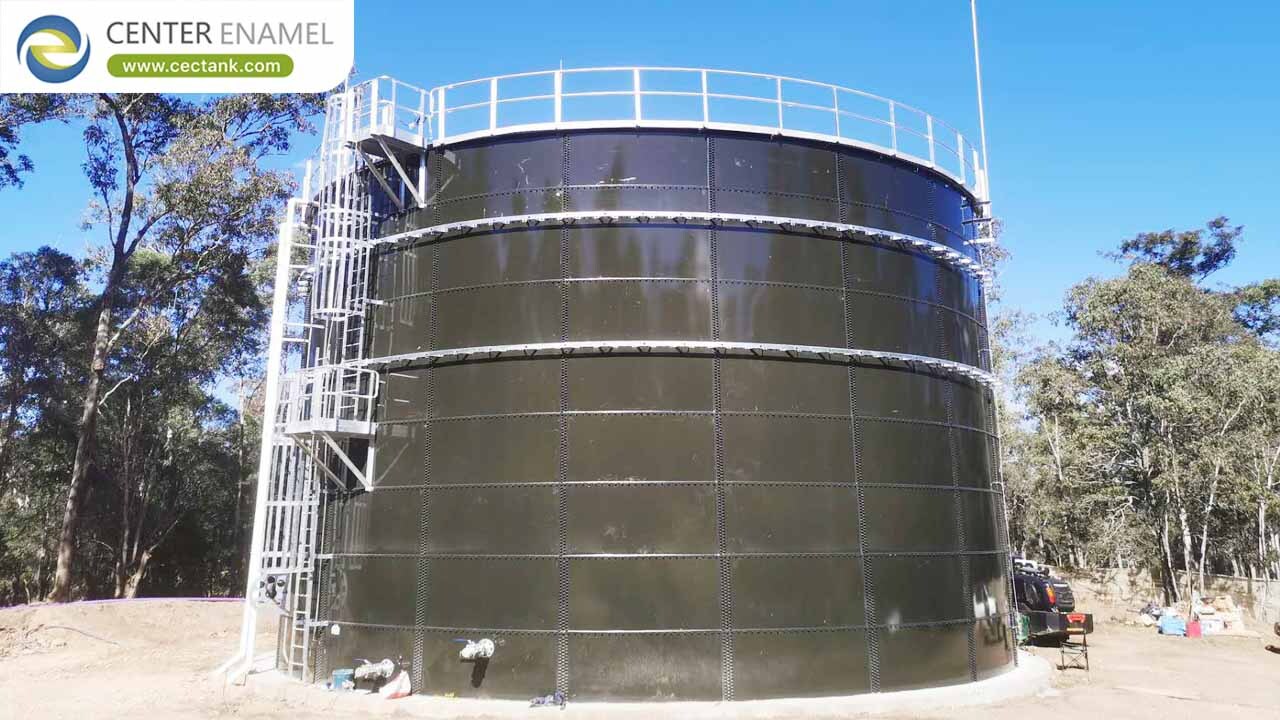
GFS-zylindrischer Stahlwassertank zur Trinkwasserspeicherung: Eine zuverlässige Lösung für eine sichere und nachhaltige Wasserversorgung
Der Zugang zu sauberem, sicheren und zuverlässigem Trinkwasser ist die Grundlage der öffentlichen Gesundheit, der städtischen Resilienz sowie einer nachhaltigen Gemeindeentwicklung. Mit dem Ausbau von Kommunen, ländlichen Wasserversorgungsgebieten und industriellen Komplexen erfordert die Lagerung großer Mengen an Trinkwasser eine Behälterinfrastruktur, die absolute hygienische Sicherheit, strukturelle Langlebigkeit und langfristige Undurchlässigkeit gewährleistet. Traditionelle, vor Ort gegossene Betonbecken sind porös, anfällig für chemische Karbonatisierung und neigen zu Wasseraustritt oder mikrobiellem Wachstum. Gleichzeitig leiden herkömmliche geschweißte Stahltanks unter fortschreitender innerer Korrosion und erfordern häufige, kostspielige Innenneuanstriche.
Um einen unverfälschten Standard für moderne kommunale Wassersicherheit zu setzen, legen Bauingenieure und Wasserressourcenplaner zunehmend fest Glas-geglühter Stahl (GFS) zylindrische Schraubtanks fest. Entwickelt und hergestellt von Shijiazhuang Zhengzhong Technology Co., Ltd. (Zentrum-Emaille), verbinden GFS-Zylindertanks zur Wasseraufbewahrung die außergewöhnliche strukturelle Zugfestigkeit industriellen Stahls mit der absoluten chemischen Inertheit und hygienischen Glätte des verschmolzenen Glases und bieten so jahrzehntelange, wartungsfreie und sichere Trinkwasserversorgung.
Die entscheidenden Anforderungen an die Aufbewahrung von Trinkwasser
Die Lagerung aufbereitetes Trinkwassers stellt einzigartige technische Herausforderungen dar, die sie von industriellen oder Abwasseranwendungen unterscheiden:
Nulltoleranz gegenüber chemischer Auslaugung: Trinkwassertanks müssen vollständig inert bleiben, sodass die verwendeten Materialien weder Geschmack, Geruch, Schwermetalle noch toxische Verbindungen in das Trinkwasser abgeben.
Hemmung von Biofilmen und bakteriellem Wachstum: Die Innenwände der Tanks müssen extrem glatte, porenfreie Oberflächen aufweisen, um organische Ablagerungen, Algenbildung und bakterielle Besiedelung zu verhindern.
Hydrostatische und strukturelle Stabilität: Zylindrische Geometrien müssen enormen, kontinuierlich wirkenden äußeren hydrostatischen Drücken standhalten und gleichzeitig über eine mehrjährige Lebensdauer hinweg Umwelteinflüssen wie Wind- und Erdbebenlasten widerstehen.
Technische Überlegenheit der GFS-Zylindertanks von Center Enamel
Center Enamel kombiniert modernste Werkstoffwissenschaft mit präziser modularen Ingenieurtechnik, um hochwertige Trinkwasserbehälter zu entwickeln:
Hochtemperatur-Wärmefusion: Spezialisiertes Glas-Email-Frit wird auf beide Seiten hochfester Baustahlplatten aufgebracht und in Industrieöfen bei Temperaturen zwischen 820 °C und 930 °C. geglüht. Die extreme Hitze bewirkt, dass das Glas schmilzt und sich dauerhaft mit dem Stahlsubstrat verbindet, wodurch eine unzerbrechliche molekulare Bindung entsteht.
Undurchdringliche, porenfreie Glasoberfläche: Die resultierende glasartige Emaillebeschichtung weist eine dichte, extrem glatte Oberfläche (Mohs-Härte 6,0) auf, die chemischen Angriffen widersteht, mineralische Ablagerungen verhindert und die Adhäsion von Bakterien hemmt, sodass das gelagerte Wasser außergewöhnlich sauber bleibt.
Präzise zylindrische Schraubkonstruktion: Hergestellt unter strengen ISO 9001 Fabrikgefertigte Module werden vor Ort mithilfe hochfesten Befestigungsmaterials und lebensmittelechter Dichtstoffe schnell verschraubt, wodurch ein strukturell optimierter Zylindertank entsteht, der den hydrostatischen Druck gleichmäßig verteilt.
Vergleichsmatrix: Technologien zur Trinkwasserspeicherung
| Bewertungskriterium | Zylindrischer GFS-Tank mit zentralem Emailleüberzug | Ortsgießbetonbecken | Traditioneller geschweißter Stahltank |
| Trinkwassersicherheit und -hygiene | Überlegen (Inerte Glasoberfläche verhindert Biofouling, Auslaugung und chemische Kontamination) | Mäßig (Poröser Beton kann Mikroorganismen beherbergen und alkalische Verbindungen auslaugen) | Mäßig (Abhängig von Epoxidbeschichtungen, die im Laufe der Zeit blähen oder sich abbauen können) |
| Korrosions- und Rostschutz | Absolut (Verschmolzene Glasbeschichtung blockiert Feuchtigkeit und Sauerstoff vollständig vom Stahl) | Mäßig (Anfällig für Betonkarbonisierung, Sulfatangriffe und Rissbildung) | Gering (Anfällig für Lochfraßkorrosion, sobald Innenlack oder Epoxidbeschichtung versagt) |
| Installationsgeschwindigkeit | Schnell (Vorgefertigte modulare Paneele werden vor Ort rasch verschraubt, ohne Wartezeiten für das Aushärten) | Sehr langsam (Monate für Schalungsarbeiten, Betonieren und mehrwöchige Aushärtungsphasen) | Mäßig (Erfordert aufwändiges Walzen, Schweißen und Röntgenprüfungen der Platten vor Ort) |
| Wartung über den Lebenszyklus | Minimal (Glattes, antiadhäsives Glas sorgt dafür, dass keine Innenneulackierung erforderlich ist) | Hoch (Erfordert häufige strukturelle Rissversiegelungen, Leckinjektionen und Reparaturen) | Hoch (Kontinuierliche Wartungskosten zur Vermeidung von Durchrostungen und Leckagen) |
Technische Gewährleistung: Alle zylindrischen Trinkwasserspeichertanks der Marke GFS, hergestellt von Center Enamel, entsprechen strikt international anerkannten Normen im Bereich des öffentlichen Gesundheitswesens und des Ingenieurwesens, einschließlich NSF/ANSI 61 der Zertifizierung für den Kontakt mit Trinkwasser, AWWA D103-09, ISO 28765, und ISO 9001, sowie einer Hochspannungs-Fehlerstromprüfungen (über 1500 V) gemäß 100% vor dem Versand aus der Fabrik.
Häufig gestellte Fragen (FAQ)
F: Warum ist ein zylindrischer GFS‑Tank ideal für die Trinkwasserspeicherung?
A: Zylindrische GFS‑Tanks vereinen die strukturelle Effizienz einer kreisförmigen Geometrie – die den enormen hydrostatischen Druck des gelagerten Wassers gleichmäßig verteilt – mit der absoluten chemischen Inertheit und der porenlosen Hygiene von verschmolzenem Glas. Dadurch werden Kontamination, Rostbildung und Biofouling verhindert, was eine langfristige Wassersicherheit gewährleistet.
F: Sind die GFS‑Wassertanks von Center Enamel für den öffentlichen Trinkwasserverbrauch zertifiziert?
A: Ja. Die GFS‑Trinkwassertanks von Center Enamel entsprechen vollständig den NSF/ANSI 61 Standards sowie AWWA D103-09 und ISO 28765 Richtlinien, sodass das gelagerte Trinkwasser stets völlig sicher, hygienisch und frei von schädlichen chemischen Auslaugungen bleibt.
F: Wie verhindert die glasverschmolzene Stahloberfläche das Bakterienwachstum im Tankinneren?
A: Das hochtemperaturige thermische Schmelzverfahren erzeugt eine extrem glatte, glasharte Oberfläche ohne mikroskopisch kleine Poren oder Spalten. Da Bakterien und organische Substanzen nicht an dieser glasartigen Beschichtung haften können, wird das Risiko der Bildung von Biofilmen und mikrobieller Kontamination praktisch vollständig eliminiert.
F: Kann ein zylindrischer GFS‑Wassertank erweitert werden, wenn der Wasserbedarf einer Gemeinde steigt?
A: Ja. Aufgrund der modularen, verschraubten Bauweise können kommunale Versorgungsunternehmen oberste Ringabschnitte problemlos abbauen, zusätzliche Plattenebenen hinzufügen, um Höhe oder Durchmesser des Tanks zu erhöhen, und die gesamte Trinkwasserspeicherkapazität ohne umfangreiche bauliche Umbauten erweitern.