
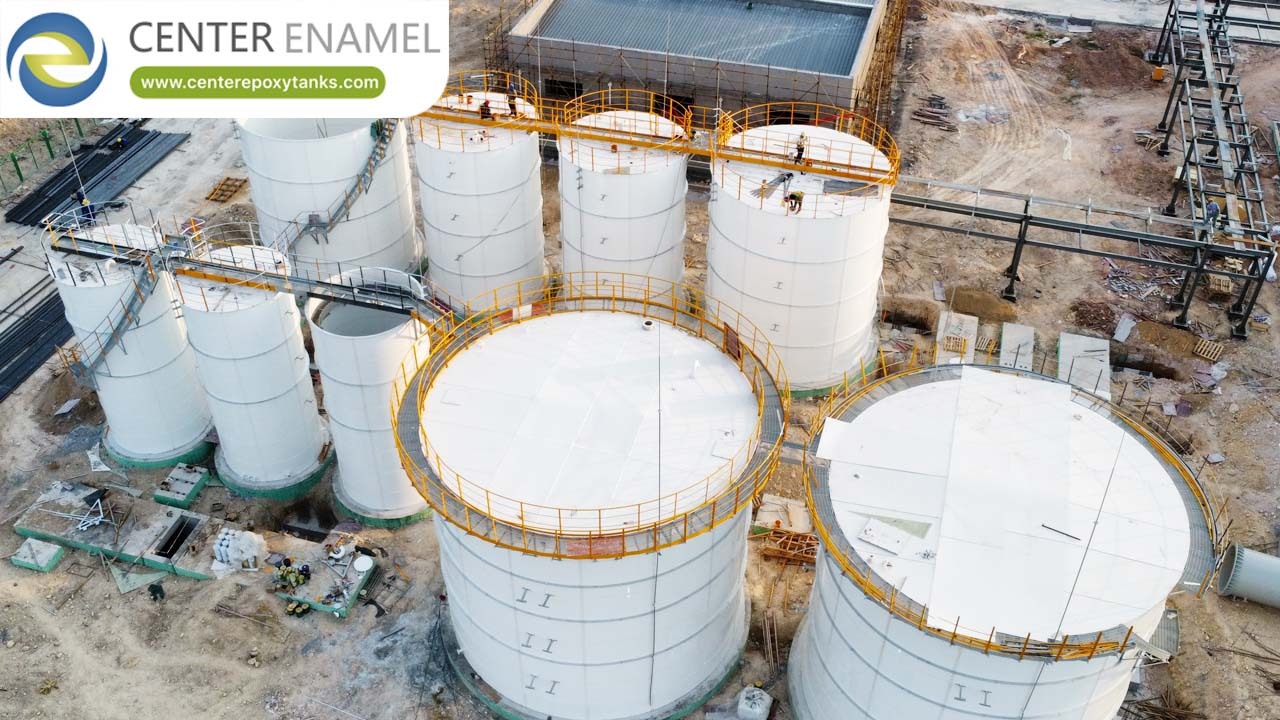
Tanque digestor anaeróbico para plantas de digestión de biogás a partir de residuos alimentarios
Respuesta directa: En las modernas instalaciones comerciales de conversión de residuos en energía, un tanque de digestión anaerobia actúa como el motor biológico de una planta de digestión de biogás a partir de residuos alimentarios. Su función principal es proporcionar un entorno perfectamente sellado y libre de oxígeno, donde los microorganismos anaerobios puedan descomponer de manera segura y bioquímica la materia orgánica compleja en productos de alto rendimiento biogas (que consisten en entre un 55 % y un 70 % de metano, CH4) y en un digestato rico en nutrientes.
Debido a que los residuos alimentarios contienen azúcares, proteínas y lípidos altamente fermentables, experimentan una rápida acidificación inicial. Esto genera un entorno desafiante, altamente corrosivo y con un pH muy bajo dentro del reactor. Elegir un tanque digestor industrial diseñado con materiales especiales resistentes a la corrosión —como Vidrio-Fundido-Al-Acero (GFS)—y combinarlo con un diseño óptimo de mezcla resulta fundamental para garantizar una generación continua de biogás, la integridad estructural y un ciclo de vida operativo de la planta superior a 30 años.
- El proceso biológico y el perfil de corrosión de los AGV
Para comprender por qué un tanque digestor de residuos alimentarios requiere una ingeniería especializada, es necesario analizar las etapas biológicas que ocurren simultáneamente dentro de un Reactor de Tanque Agitado Continuo (CSTR) sistema:
La oleada ácida: Esta rápida transformación crea un entorno localizado extremadamente agresivo. Si la tasa de alimentación es elevada, la acumulación de AGV puede hacer que la química interna del líquido caiga bruscamente hacia un rango ácido (pH 4.0 a 5.5).
La amenaza del espacio de cabeza: En el espacio gaseoso del tanque, las bacterias anaerobias producen Sulfuro de hidrógeno (H2S) junto con metano. Cuando el H2S se condensa sobre las paredes húmedas y sin protección del tanque, reacciona con trazas de oxígeno para formar ácido sulfúrico (H2SO4), un compuesto altamente corrosivo que degrada rápidamente el hormigón y elimina las pinturas industriales convencionales.
La elección del material: Las cuencas de hormigón no protegidas sufren un grave debilitamiento estructural y pérdida de árido, mientras que el acero al carbono estándar se oxida y presenta picaduras rápidamente. Por ello, los proyectos premium de biogás a partir de residuos alimentarios confían universalmente en Tanques atornillados de vidrio fusionado al acero (GFS). El recubrimiento de esmalte de porcelana se une molecularmente al acero a temperaturas superiores a 800 °C, ofreciendo una barrera impermeable que resiste fácilmente tanto la acidez continua del líquido provocada por los AGV como los perfiles agresivos del gas en el espacio superior.
- Biogás de residuos alimentarios y motor de estimación de dimensiones
Dimensionar con precisión un tanque digestor anaeróbico exige ajustar los volúmenes diarios de residuos orgánicos a variables específicas del potencial bioquímico de metano (BMP).
Utilice el motor de procesamiento a continuación para simular los rendimientos diarios de biogás, la capacidad de generación de energía y los marcos de volumen objetivo del tanque, basándose en sus flujos de residuos.
- Comparación tecnológica: configuraciones de reactores digestores
Las distintas características de los residuos requieren configuraciones estructurales específicas del tanque para mantener condiciones microbianas estables y evitar fallos en el proceso.
| Tipología del reactor | Tiempo de retención hidráulica (TRH) | Perfil de tolerancia a los sólidos | Requisitos de rigidez de mezcla | Caso de uso principal en ingeniería |
| Reactor de Tanque Agitado Continuo (CSTR) | Largo. Por lo general, entre 20 y 30 días de retención activa. | Alto. Maneja lodos pesados con hasta un 12 % a 15 % de sólidos totales. | Crítico. Requiere agitaciones mecánicas intensas o recirculación de gases. | Plantas estándar de tratamiento de residuos alimentarios. Excelente homogeneización del sustrato. |
| Lecho de lodos anaerobio de flujo ascendente (UASB) | Corto. Generalmente de 4 a 24 horas. | Muy bajo. Los sólidos en suspensión deben mantenerse por debajo del 1%. | Ninguno. La velocidad ascendente del fluido genera dinámicas de automezcla. | Efluente de procesamiento de alimentos líquido de alta resistencia, aguas residuales de cervecerías. |
| Reactor de Flujo Empacado (PFR) | Medio. De 15 a 20 días. | Extremadamente alto. Maneja residuos gruesos y apilables (20 % o más). | Bajo a moderado. Los tornillos sinfín horizontales internos o los pistones mueven el material. | Digestión anaerobia seca de residuos orgánicos municipales sólidos y estiércol. |
- Subsistemas técnicos clave de un tanque digestor industrial
Un digestor eficiente de residuos alimentarios requiere integrar varios subsistemas técnicos especializados en la configuración del revestimiento del tanque:
Sistemas robustos de mezcla y agitación
Los residuos alimentarios contienen una mezcla compleja de partículas pesadas que se hunden (como fragmentos de hueso y cáscaras de huevo) y materiales orgánicos ligeros que flotan (como grasas, aceites y grasas). Sin una agitación continua y de alta resistencia, el tanque sufrirá una rápida acumulación de sedimentos en el fondo—reduciendo el volumen útil de trabajo—y una espesa capa superficial flotante que impide la liberación de gases.
Agitadores de entrada superior: Ejes verticales largos equipados con grandes impulsores diseñados para manejar suspensiones de alta viscosidad.
Mezcladores de entrada lateral: Unidades de hélice ajustables en dirección que barren el fondo del tanque para mantener en suspensión los sedimentos pesados.
Sistemas de control térmico (circuitos de calefacción)
Las arqueas metanogénicas son altamente sensibles a las fluctuaciones térmicas. La mayoría de los sistemas de tratamiento de residuos alimentarios operan en el Rango mesofílico (35 °C a 38 °C) o el Rango termofílico (50 °C a 55 °C) para maximizar la velocidad de las reacciones biológicas. Los tanques digestores cuentan con tuberías de calefacción internas de acero inoxidable montadas en las paredes o intercambiadores de calor externos envueltos en paneles aislantes de lana de roca de alta densidad, con el fin de minimizar las pérdidas térmicas al entorno.
Cubiertas integradas de almacenamiento de gas con techo
Para recolectar el biogás generado de forma continua, los tanques digestores suelen estar equipados con un sistema integrado de Depósito de gas de doble membrana. Una membrana interna hermética se eleva y desciende de manera flexible según los volúmenes de producción de gas en tiempo real, mientras que una membrana exterior presurizada protege el sistema contra vientos fuertes, la nieve y la exposición a los rayos UV.
- Preguntas frecuentes (FAQ)
¿Por qué se considera que los residuos alimentarios son más difíciles de digerir que el estiércol animal?
Los residuos alimentarios poseen una densidad energética extremadamente alta y se biodegradan mucho más rápidamente que el estiércol animal. Esta rápida descomposición provoca un fuerte aumento de la carga orgánica, lo que puede conducir rápidamente a la acumulación de ácidos grasos volátiles, reduciendo los niveles de pH y deteniendo la producción de metano si la química del tanque no se equilibra y monitorea adecuadamente. Además, los residuos alimentarios presentan altos niveles de nitrógeno amoniacal, que pueden inhibir la actividad microbiana cuando alcanzan concentraciones elevadas.
¿Cómo se gestionan la arena, la grava y los plásticos de embalaje dentro del tanque digestor?
Idealmente, una planta de tratamiento de residuos alimentarios utiliza un sistema integral de pretratamiento (desempacadores, hidrociclones o canales de decantación de grava) para eliminar los contaminantes antes de que la suspensión orgánica ingrese al tanque. Sin embargo, dado que cierta cantidad de grava inevitablemente pasa a través, los tanques digestores están diseñados con bocas de inspección especiales situadas en puntos bajos y fondos inclinados, facilitando limpiezas mecánicas periódicas.
¿Cuál es el propósito de las pruebas de resistencia a alto voltaje en un tanque digestor GFS?
Durante la fabricación de los paneles del tanque, se aplica un dispositivo de prueba por chispa de alto voltaje (con 1500 V o más) sobre toda la superficie de la chapa de acero revestida de vidrio. Si existe incluso un microporos o una falla estructural en la capa de vidrio, se produce una chispa visible que salta hacia el núcleo de acero, señalando el panel para su rechazo. Esta rigurosa prueba garantiza que el tanque ensamblado final cuente con una superficie interior impecable y completamente resistente a la corrosión.
Soluciones B2B expertas para infraestructura de bioenergía
Diseñar redes estables de digestión anaerobia requiere equilibrar las exigencias del proceso biológico con equipos de contención robustos y confiables. Esmalte central suministra tanques atornillados de vidrio fundido sobre acero de primera calidad, certificados internacionalmente y diseñados específicamente para funcionar como digestores anaerobios CSTR de alto rendimiento. Con más de tres décadas de experiencia en ingeniería, ofrecemos soluciones de contención personalizadas que cumplen plenamente con AWWA D103, ISO 28765y estrictas normativas ambientales globales.
Optimizar la producción de metano en su planta de conversión de residuos en energía depende en gran medida de ajustar los cálculos diarios de carga orgánica con el revestimiento del reactor y las configuraciones de mezcla adecuados.