
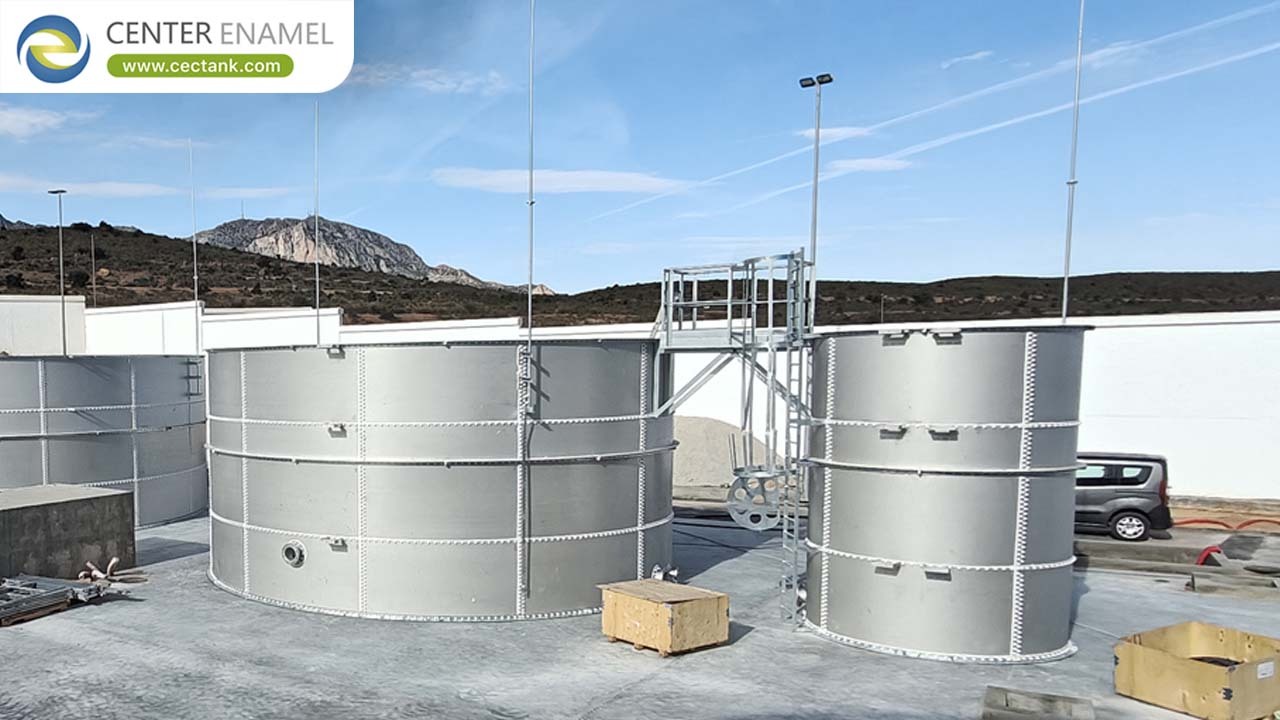
Tanques de acero galvanizado: una solución duradera y rentable para las necesidades de almacenamiento
En complejos industriales de fabricación, redes de riego agrícola, desarrollos inmobiliarios comerciales y sistemas municipales de gestión del agua, la contención confiable de líquidos resulta esencial. Ya sea para almacenar agua potable, reservas de captación de agua de lluvia, suministros para la extinción de incendios o fluidos de procesos industriales, los operadores de las instalaciones requieren sistemas de contención que ofrezcan resistencia estructural, robustez frente a factores ambientales y un valor económico a largo plazo.
Las opciones tradicionales de almacenamiento —como los depósitos de hormigón vertido in situ o los tanques de acero al carbono sin tratamiento— suelen enfrentarse a diversos desafíos de rendimiento, entre ellos microfisuras estructurales, filtraciones de agua y una corrosión intensa. Para superar estas limitaciones, la ingeniería moderna recurre en gran medida a Tanques de acero galvanizado. Combinando la alta resistencia estructural del acero de alta resistencia con la avanzada protección electroquímica proporcionada por el recubrimiento de zinc, estos tanques constituyen una solución de referencia para diversas necesidades globales de almacenamiento.
La ciencia de la galvanización por inmersión en caliente
La excepcional durabilidad de los tanques de acero galvanizado se debe al proceso metalúrgico empleado para tratar el sustrato metálico:
Inmersión en caliente: Los paneles de acero fabricados con precisión se limpian minuciosamente y se sumergen en un baño de zinc fundido a temperaturas aproximadas de $450^\circ\text{C}$.
Unión metalúrgica: A esta temperatura, se forma una serie de capas de aleación zinc-hierro, estableciendo así una unión metalúrgica inseparable, en la que el zinc pasa a integrarse como parte integral de la superficie del acero, en lugar de quedar simplemente como un recubrimiento superficial.
Mecanismo de protección dual: La capa de zinc proporciona tanto una protección física mediante una barrera que resguarda el acero de la humedad y el oxígeno, como protección catódica; esto significa que el zinc protege de manera sacrificial el acero subyacente incluso si la superficie sufre rasguños o abrasiones menores.
Ventajas clave de los sistemas de almacenamiento en acero galvanizado
Los tanques de acero galvanizado ofrecen claros beneficios operativos y financieros que los convierten en una opción preferida en múltiples sectores:
Vida útil prolongada: Protegidos por un sólido escudo de zinc, los tanques de acero galvanizado pueden mantenerse en buen estado durante entre 30 y más de 50 años, con una degradación estructural mínima, superando ampliamente a las alternativas estándar de metal pintado.
Rentabilidad excepcional: Si bien los costos iniciales de inversión son competitivos, el verdadero valor económico radica en los bajos gastos de mantenimiento a lo largo del ciclo de vida, eliminando la necesidad frecuente de repintado y los costos prematuros asociados a la sustitución del tanque.
Montaje modular en sitio: Los tanques están construidos a partir de paneles modulares de ingeniería de precisión, ensamblados mediante tornillos directamente en el sitio. Esto permite un transporte eficiente y una instalación rápida, incluso en ubicaciones remotas agrícolas o industriales.
Resistencia estructural superior: El acero ofrece una alta relación resistencia-peso, lo que permite que configuraciones de gran capacidad soporten altas velocidades del viento, fuerzas sísmicas y fuertes presiones hidrostáticas sin necesidad de estructuras externas de soporte masivas.
Matriz comparativa: Tecnologías de tanques de almacenamiento
| Métrica de evaluación | Tanque de acero galvanizado | Cuba de hormigón vertido in situ | Polietileno de alta densidad (PEAD) |
| Protección contra la corrosión y las inclemencias del tiempo | Alta (El recubrimiento de zinc por inmersión en caliente resiste la oxidación y la degradación por rayos UV) | Moderada (Vulnerable a la carbonatación del hormigón, al agrietamiento por congelación‑descongelación y a las fugas) | Moderada (Vulnerable a la degradación prolongada por rayos UV y a la deformación causada por temperaturas extremas) |
| Velocidad de instalación | Rápido (Paneles modulares prefabricados ensamblados rápidamente con pernos en el sitio) | Muy lento (Meses de encofrado, vertido y fases de curado de varias semanas) | Rápida (Pre-moldeada, pero limitada por restricciones de tamaño para el transporte) |
| Escalabilidad de la capacidad | Alta (El diseño modular permite adaptarse a un amplio rango de requerimientos de volumen) | Ninguno (Estructura civil permanente e inamovible) | Limitada (Restringida por las dimensiones de los moldes de fabricación y por las limitaciones del transporte por carretera) |
| Ciclo de vida y mantenimiento | Mínima (De 30 a más de 50 años de servicio confiable con inspecciones rutinarias) | Alto (requiere sellado frecuente de grietas estructurales y reparaciones impermeables) | Moderada (Propensa a agrietarse o degradarse tras una exposición prolongada al aire libre) |
Garantía de ingeniería: Los tanques galvanizados por inmersión en caliente, correctamente diseñados y mantenidos, presentan propiedades de autorreparación en las líneas menores de abrasión, asegurando así una defensa continua contra la corrosión y una larga vida útil estructural en entornos exteriores severos.
Preguntas frecuentes (FAQ)
P: ¿Cuánto tiempo suelen durar los tanques de agua de acero galvanizado?
R: Cuando se instalan y mantienen adecuadamente, los tanques de acero galvanizado por inmersión en caliente suelen ofrecer una vida útil que oscila entre 30 y 50 años (e incluso hasta 70 años en condiciones óptimas), respaldada por un resistente recubrimiento metálico de zinc que protege contra la oxidación y el desgaste ambiental.
P: ¿Son los tanques de acero galvanizado adecuados para almacenar agua potable?
R: Sí. Los tanques de acero galvanizado se utilizan ampliamente para el almacenamiento de agua potable, la recolección de agua de lluvia y el suministro municipal. Para aplicaciones con agua potable, a menudo se incorporan revestimientos internos o recubrimientos especiales de grado alimenticio, garantizando el cumplimiento de las normas sanitarias y la pureza del agua.
P: ¿Cómo se ensambla un tanque modular de acero galvanizado en el sitio?
R: Los tanques de acero galvanizado emplean un diseño modular compuesto por paneles de acero perforados con precisión. Estos paneles se envían planos, se transportan eficientemente hasta el lugar de instalación y se unen mediante pernos sobre una viga anular de hormigón estable o sobre una cimentación, incluyendo juntas internas especiales para asegurar un sellado hermético.
P: ¿Qué mantenimiento rutinario requieren los tanques de almacenamiento de acero galvanizado?
R: El mantenimiento es mínimo. Las tareas habituales incluyen realizar inspecciones visuales anuales de las superficies exteriores e interiores, verificar la apretadura de tornillos y accesorios, limpiar los sedimentos acumulados y monitorear el recubrimiento de zinc en busca de signos de desgaste físico.