
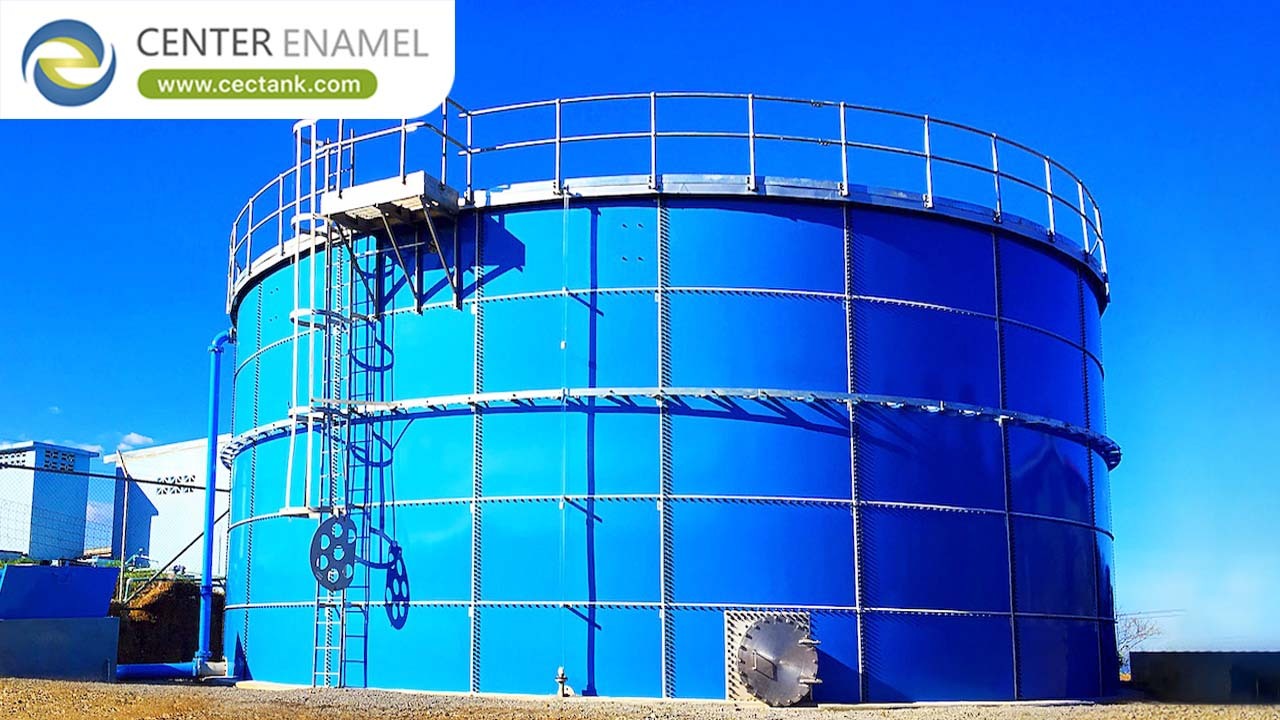
Tanques sostenibles de acero recubiertos con epoxi para biocombustibles: Ingeniería de fiabilidad para el almacenamiento de energía renovable
A medida que el sector energético mundial se orienta hacia fuentes renovables, la demanda de infraestructuras de almacenamiento robustas y resistentes a los productos químicos nunca ha sido tan alta. Los biocombustibles —desde el biodiésel (FAME) hasta el etanol y los disolventes de origen biológico— presentan desafíos únicos en su almacenamiento. A menudo son higroscópicos (atraen el agua), químicamente reactivos y pueden corroer el acero al carbono convencional.
Tanques de acero recubiertos con epoxi ofrecen una solución sostenible y de alto rendimiento para el almacenamiento de biocombustibles, equilibrando la resistencia estructural con la barrera química esencial necesaria para preservar la pureza del combustible y garantizar la seguridad ambiental.
El desafío del almacenamiento de biocombustibles
A diferencia de los combustibles fósiles tradicionales, los biocombustibles varían significativamente en su composición química. Los sistemas de almacenamiento deben diseñarse para prevenir dos problemas principales:
Corrosión: Muchos biocombustibles pueden contener trazas de agua que, al entrar en contacto con el acero, favorecen la oxidación y la corrosión interna.
Contaminación: Los biocombustibles son sensibles. La herrumbre, los sedimentos o la lixiviación química provenientes de las paredes del tanque pueden deteriorar la calidad del combustible, provocando posibles problemas para los usuarios finales o afectando el rendimiento del motor.
Los recubrimientos epoxi actúan como un “escudo”, creando una barrera no porosa e inerte químicamente que protege tanto la integridad del combustible como la salud estructural del tanque.
Principales beneficios de los tanques de acero revestidos con epoxi
1. Resistencia química superior
Los recubrimientos epoxi multicapa de alta calidad están específicamente formulados para resistir el ataque de ésteres metílicos de ácidos grasos (biodiésel) y alcoholes (etanol). Esto genera una barrera impenetrable que evita que el biocombustible reaccione con el sustrato de acero.
2. Longevidad operativa
Al eliminar el riesgo de oxidación y corrosión interna, los tanques recubiertos con epoxi prolongan considerablemente la vida útil del activo. Este es un factor crucial en el Costo Total de Propiedad (TCO), ya que reduce la frecuencia de inspecciones y reparaciones costosas.
3. Seguridad Ambiental y Prevención de Derrames
Los sistemas epoxi modernos están diseñados para proporcionar un entorno de alta integridad y libre de fugas. Cuando se combinan con un riguroso control de calidad durante la aplicación —como pruebas de fallas para detectar defectos microscópicos—, estos tanques ofrecen el más alto nivel de protección ambiental frente a la contaminación del suelo y las aguas subterráneas.
Análisis Comparativo: Infraestructura de Almacenamiento de Biocombustibles
Elegir la tecnología adecuada de almacenamiento implica equilibrar rendimiento, costo y compatibilidad de materiales.
| Característica | Acero recubierto con epoxi | Acero inoxidable | Hormigón (revestido) |
| Inercia química | Alta | Muy alta | Moderada |
| Rentabilidad | Alta | Bajo (costoso) | Moderada |
| Velocidad de construcción | Rápida | Moderada | Muy lento |
| Mantenimiento | Mínimo | Despreciable | Alto (reparaciones del revestimiento) |
| Idoneidad | Excelente para la mayoría de los biocombustibles | Universal | Requiere un revestimiento especializado |
Preguntas frecuentes (FAQ)
P: ¿Los recubrimientos epoxi son adecuados para todos los tipos de biocombustibles?
R: La mayoría de los sistemas epoxi de alto rendimiento son compatibles con mezclas de biodiésel y etanol. Sin embargo, es fundamental realizar un estudio de compatibilidad basado en el tipo específico de biocombustible y su concentración, ya que diferentes formulaciones presentan distintos niveles de agresividad.
P: ¿Cómo se garantiza que el recubrimiento esté libre de defectos?
R: La fabricación de tanques de alta calidad incluye una rigurosa “prueba de fallos” (prueba de chispa) en cada pulgada cuadrada del revestimiento interior. Esta inspección a alto voltaje asegura la ausencia de microagujeros o puntos débiles, garantizando una barrera completa antes de poner en servicio el tanque.
P: ¿Cómo afecta el recubrimiento epoxi al programa de mantenimiento del tanque?
R: Los tanques recubiertos con epoxi requieren un mantenimiento significativamente menor que los de acero al carbono sin recubrimiento. Aunque siguen siendo necesarias inspecciones periódicas para detectar impactos mecánicos o abrasión, se elimina la necesidad de costosos procesos de arenado y repintado asociados a la corrosión.
P: ¿Estos tanques pueden utilizarse para combustibles mezclados?
R: Sí. Los recubrimientos epoxi suelen ser adecuados para combustibles mezclados. Nuestro equipo de ingeniería evalúa sus especificaciones químicas particulares para seleccionar la formulación de resina correcta, asegurando así estabilidad y compatibilidad a largo plazo.
Colaboración con Center Enamel
Con más de 30 años de experiencia en el sector global del almacenamiento industrial, Center Enamel comprende que la infraestructura para biocombustibles es esencial para mantener la disponibilidad operativa. Combinamos ingeniería estructural avanzada con una aplicación precisa del recubrimiento, ofreciendo tanques de almacenamiento que cumplen con las normas internacionales de seguridad y medio ambiente.
¿Listo para proteger su cadena de suministro de biocombustibles? Contacte hoy mismo con nuestro equipo de ingeniería para analizar sus requerimientos de capacidad, necesidades de compatibilidad química y cronogramas específicos del proyecto.