
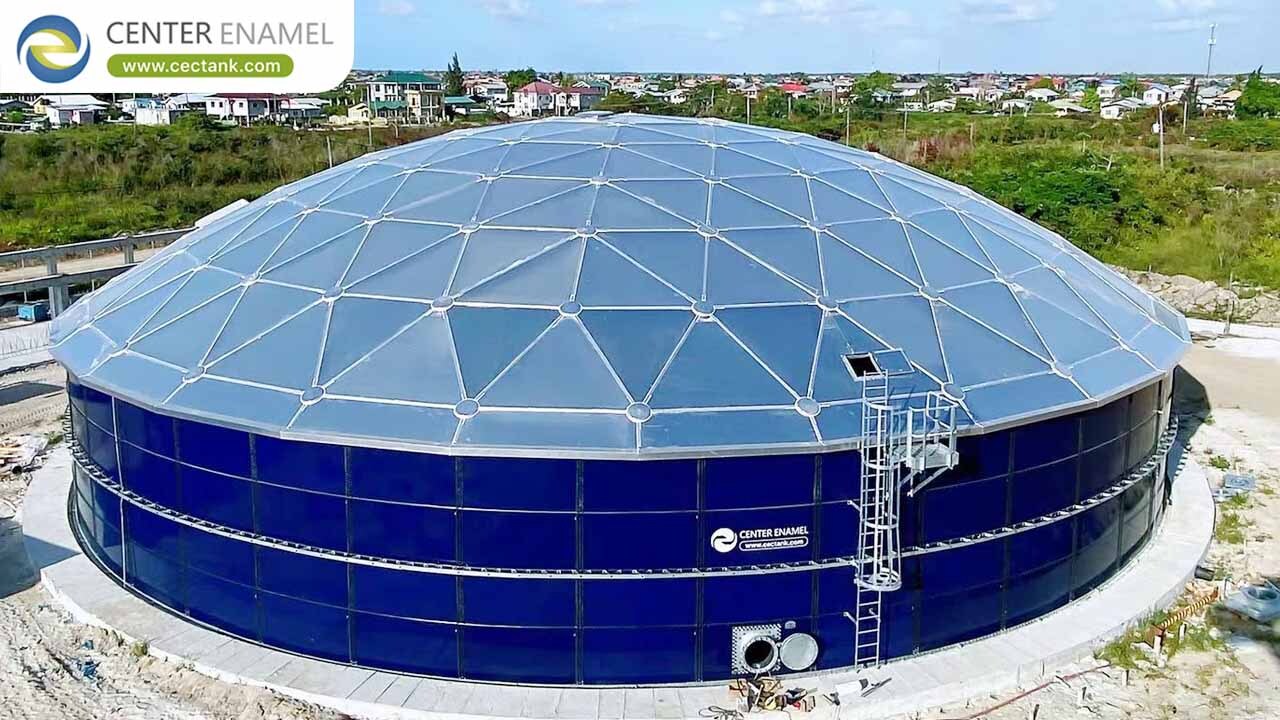
Produttore cinese di silos per cereali: soluzioni di stoccaggio premium di Center Enamel per i cereali
La scelta di un sistema di stoccaggio dei cereali industriale ad alta capacità richiede di bilanciare rigorosa sicurezza strutturale, resistenza alla corrosione a lungo termine e parametri di conservazione post-raccolta. In qualità di principale fornitore mondiale di sistemi di contenimento, Shijiazhuang Zhengzhong Technology Co., Ltd (Smalto centrale) produce avanzati silos modulari in acciaio imbullonati, progettati per preservare la massa dei cereali agricoli dai rischi ambientali e strutturali. Questa guida completa illustra la scienza dei materiali, i principi dell'ingegneria strutturale e i meccanismi di ottimizzazione automatizzata integrati nei portafogli di stoccaggio di alta qualità di Center Enamel.
Cosa rende Center Enamel un leader del settore?
Center Enamel si distingue come un'azienda d'eccellenza Produttore cinese di silos per cereali progettando silos di contenimento imbullonati, altamente adattabili e realizzati con materiali diversi, impiegati in oltre 100 paesi. Specializzandosi nella produzione modulare anziché nella tradizionale saldatura sul posto, l’azienda garantisce un controllo qualitativo preciso, spedizioni internazionali containerizzate snellite e installazioni rapide in cantiere, senza lavorazioni a caldo.
Il loro ecosistema di stoccaggio dei cereali comprende lamiere d’acciaio zincate ad alto rendimento, rivestimenti avanzati in vetro-fuso-su-acciaio (GFS) ideali per ambienti di lavorazione ad elevata umidità e assemblaggi in acciaio inossidabile estremamente igienici.
Portafogli di materiali avanzati per l’integrità delle colture
Nessun singolo materiale è in grado di gestire in modo sicuro ogni clima agricolo o tipo di cereale. Center Enamel risponde alle diverse esigenze agricole globali attraverso tre distinte classi tecniche di materiali:
1. Silos bullonati zincati ad alto tenore di zinco
Ottimizzati per merci sfuse secche (come grano, mais e soia), questi sistemi utilizzano piastre di base ad alta resistenza alla trazione Acciaio strutturale S450GD L’acciaio è rivestito da uno strato di zinco ad alta densità fino a 600 g/m² oppure protetto da avanzati rivestimenti in lega di zinco-alluminio-magnesio. Questa configurazione offre una protezione catodica sacrificale superiore, schermando efficacemente il metallo di base dall’ossidazione nelle regioni costiere umide o nelle aree agricole equatoriali.
2. Silos in vetro-fuso-acciaio (GFS)
Per cereali specializzati ad alta umidità, distillerie industriali, linee di lavorazione dei mangimi o infrastrutture di cogenerazione a biogas, Center Enamel applica la propria tecnologia proprietaria di smalto vitreo. Fuso a 930°C, il rivestimento in vetro crea un’interfaccia chimicamente inerte e non porosa con una Durezza Mohs pari a 6,0. Questa finitura resiste all’intensa abrasione meccanica causata dallo spostamento dei cereali ad alto attrito ed elimina il rischio che umidità organica o acidi derivanti dai raccolti corrodano la struttura portante.
3. Stoccaggio in acciaio inossidabile (SS304 / SS316)
Progettati principalmente per impianti di lavorazione alimentari, terminal cerealicoli e depositi sensibili di sementi, dove è obbligatoria l’assenza totale di contaminazione. Questi pannelli fresati con precisione presentano profili interni lucidati che massimizzano l’igiene e garantiscono una manipolazione sicura dei raccolti.
Matrice tecnica ingegneristica: confronto tra silos avvitati
La seguente matrice delle prestazioni ingegneristiche mette a confronto le caratteristiche fisiche e strutturali delle principali opzioni modulari di stoccaggio cerealicolo di Center Enamel:
| Parametro tecnico | Silos zincati assemblati con bulloni | Silos in vetro-fuso-acciaio (GFS) | Silos bullonati in acciaio inossidabile |
| Materiale base primario | Acciaio ad alta resistenza S450GD / S280GD | Acciaio proprietario di grado smaltato | Acciaio inox di grado 304 o 316 |
| Tipo di barriera contro la corrosione | Zincatura a caldo (fino a 600 g/m²) | Rivestimento in vetro vitreo inorganico | Strato passivo intrinseco di ossido di cromo |
| Resistenza all’abrasione (scala di Mohs) | 2,0 – 3,0 | 6,0 (eccellente per cereali ad elevata usura) | 5,0 – 5,5 |
| Durata di servizio progettuale | 20–30 anni | 30–50 anni | 40–oltre 50 anni |
| Configurazioni applicabili | Fondo piatto, fondo a tramoggia | Fondo piatto, tramogge specializzate | Fondo piatto, forma quadrata liscia, conica |
| Profili ottimali delle colture | Grano, mais, orzo, oleaginosi secchi | Mangimi ad alto contenuto di umidità, riso, distillati umidi | Semi, birrifici, ingredienti alimentari |
Ingegneria strutturale e conformità alla sicurezza
Ogni silo di stoccaggio viene sottoposto a rigorose verifiche mediante Analisi agli elementi finiti (FEA) software. Questa modellizzazione computazionale assicura che i componenti strutturali gestiscano in modo sicuro le sollecitazioni dinamiche variabili generate durante le operazioni quotidiane:
Dinamica del flusso massivo vs. flusso a imbuto: Gli ingegneri strutturali calcolano le deformazioni interne dovute allo scarico eccentrico e le forze laterali asimmetriche, al fine di prevenire carichi non uniformi sulle pareti, causa principale dell’instabilità strutturale nei tradizionali silos commerciali in acciaio.
Ingegneria del carico ambientale: Le configurazioni strutturali sono espressamente progettate per resistere a intense velocità del vento locali, a pesanti accumuli di neve regionali e a severe accelerazioni sismiche.
Conformità agli standard ingegneristici globali
Tutti i componenti strutturali, le dimensioni degli irrigiditori e le configurazioni dei bulloni rispettano rigorosamente i principali standard internazionali per l’edilizia, tra cui:
Eurocodice EN 1991-4: Azioni sulle strutture (silos e serbatoi).
ANSI / ASAE EP 433: Carichi esercitati dai cereali in flusso libero sui silos.
AWWA D103-09 e ISO 28765: Norme globali che regolano la fabbricazione delle strutture a bulloni e le tolleranze applicative dello smalto.
Strumento interattivo: Calcolatore per la dimensione e la capacità dei silos per cereali
Per aiutare i responsabili di progetto e gli ingegneri addetti agli acquisti a stimare i requisiti volumetrici strutturali e le fondazioni corrispondenti, utilizzare l’utility interattiva di dimensionamento riportata di seguito:
Conservazione intelligente post-raccolta e assemblaggio modulare
Center Enamel integra avanzati sistemi di monitoraggio nei propri sistemi completi di stoccaggio, al fine di prevenire il deterioramento dei cereali, preservare la qualità del raccolto e semplificare la manutenzione:
Monitoraggio automatizzato di temperatura e umidità: Cavi digitali termocoppia sospesi all’interno del profilo del silo monitorano le temperature centrali dello stoccaggio. Quando questi sensori rilevano picchi termici localizzati — indicatori di elevati livelli di umidità o di attività degli insetti — attivano automaticamente ventilatori ad aerazione multi-stadio.
Progettazioni personalizzate della ventilazione: I sistemi includono canali di aerazione integrati sotto il pavimento, prese d’aria sul tetto e camini anticondensa progettati per ridurre l’umidità relativa e prevenire i cicli di condensazione interna.
Costruzione sincronizzata con martinetti idraulici: Invece di ricorrere a costosi ponteggi ad alto rischio, Center Enamel impiega un metodo di assemblaggio dall’alto verso il basso, azionato da martinetti idraulici controllati tramite PLC. Il tetto e gli anelli superiori vengono costruiti innanzitutto a livello del suolo, quindi sollevati sequenzialmente per consentire l’installazione degli anelli inferiori. Questo approccio ottimizza la sicurezza in cantiere e garantisce un’elevata precisione nell’allineamento.
FAQ Tecnica
Perché i silos modulari in acciaio imbullonati sono preferiti alle configurazioni saldate nei progetti internazionali?
I silos imbullonati vengono spedite come componenti in lamiera ad alta densità non assemblati, confezionati all’interno di standard container marittimi, riducendo notevolmente i costi di trasporto internazionale. L’assemblaggio in loco avviene mediante bulloni ad alta resistenza e guarnizioni strutturali, senza richiedere tecnici certificati per saldature in campo né esami non distruttivi (NDT) specializzati, accelerando così i tempi di completamento.
Come previene Center Enamel la corrosione galvanica nei punti di connessione tra i componenti?
Tutte le giunzioni tra i pannelli utilizzano bulloni zincati a caldo o in acciaio inox di alta resistenza, grado 10.9, dotati di robusti copri-guarnizione in EPDM. Questi copri-guarnizione formano una tenuta stagna completa e creano una barriera isolante elettrica, impedendo reazioni galvaniche tra superfici metalliche diverse.
È possibile adattare questi silos a terreni poco fertili o a condizioni sismiche elevate?
Sì. Ogni progetto di silo viene studiato su misura sulla base del rapporto geotecnico locale del sito e dei parametri regionali di accelerazione sismica. Gli anelli di montaggio alla base, gli ancoraggi del pavimento, i dispositivi di misurazione delle piastre e la disposizione degli irrigidimenti verticali esterni vengono rinforzati per gestire in modo sicuro le intense sollecitazioni strutturali.