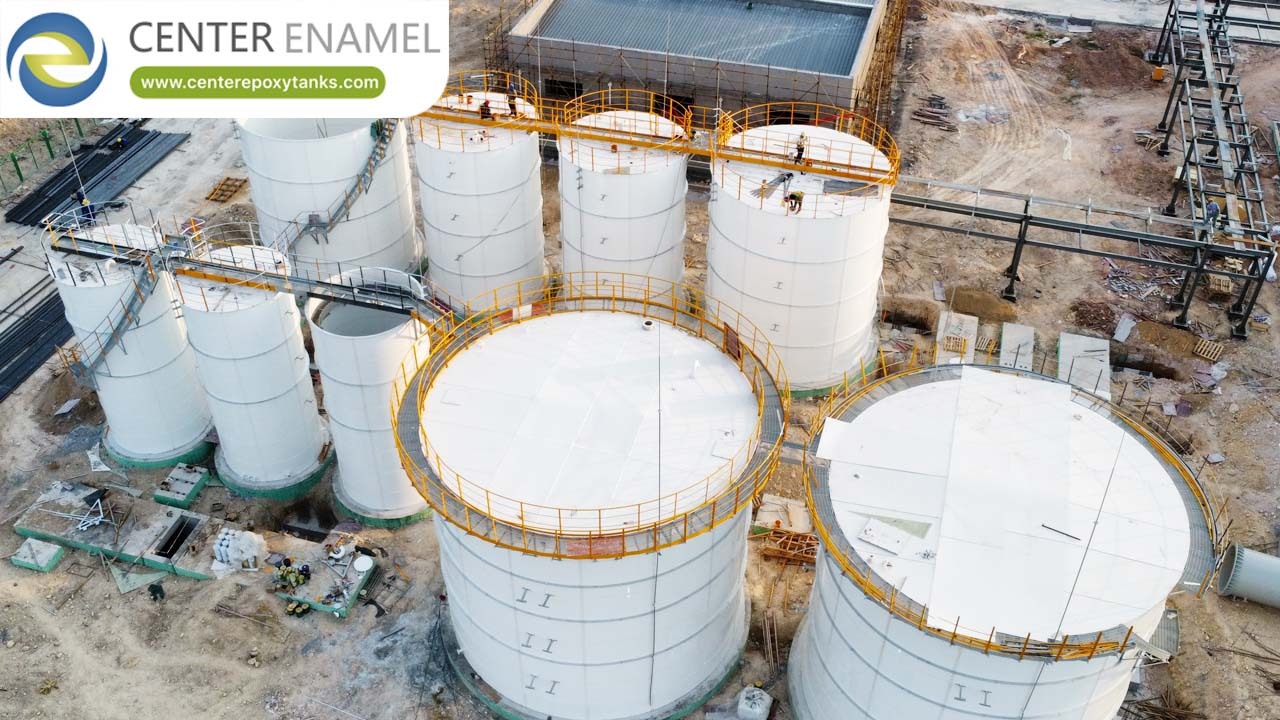
La guida ingegneristica ai serbatoi in acciaio rivestiti in epossidica per impianti di desalinizzazione
Nell’ambito degli sforzi globali per combattere la scarsità d’acqua, la desalinizzazione è diventata un pilastro fondamentale delle infrastrutture. Tuttavia, l’elevata salinità e le alte concentrazioni di cloruri presenti nell’acqua di mare costituiscono uno degli ambienti corrosivi più aggressivi al mondo. I serbatoi in acciaio rivestiti con epossidica fusa (FBE) sono emersi come la soluzione di stoccaggio di punta per il 2026, offrendo un equilibrio strategico tra resistenza chimica, rapida installazione modulare e un costo totale di proprietà inferiore rispetto ai tradizionali materiali come il calcestruzzo o l’acciaio inossidabile.
1. Il ruolo dei serbatoi rivestiti in epossidica nella desalinizzazione
Impianti di desalinizzazione (utilizzanti Osmosi inversa (RO) oppure Distillazione multi-stadio (MSF)) richiedono enormi capacità di stoccaggio per le diverse fasi del processo. I serbatoi in acciaio rivestiti in epossidica sono principalmente impiegati per:
- Stoccaggio dell'acqua marina grezza prelevata:Conservare l’acqua ad alta salinità prima del trattamento.
- Contenimento delle acque salate/residue:Gestire il sottoprodotto salino altamente concentrato.
- Serbatoi per l'acqua prodotta (permeato):Stoccaggio dell'acqua potabile finale prodotta.
- Stoccaggio di prodotti chimici per processi:Stoccare sostanze chimiche pre-trattamento, come coagulanti e antiscalanti.
2. Prestazioni tecniche: contrastare l’attacco da cloruri
La principale sfida nella desalinizzazione è rappresentata dallo ione cloruro (Cl⁻), che provoca rapidi fenomeni di pitting e corrosione da stress negli acciai standard. La tecnologia dell’epossidica fusa affronta questo problema attraverso:
Protezione avanzata della barriera
Il rivestimento FBE viene applicato elettrostaticamente sotto forma di polvere secca su lastre d'acciaio preriscaldate ($>200\text{°C}$), formando una barriera molecolarmente reticolata e non porosa. Questa barriera è chimicamente inerte rispetto agli ioni aggressivi presenti nell'acqua di mare e nelle salamoie.
Assicurazione della qualità senza interruzioni
In un ambiente di desalinizzazione, anche un singolo foro nel rivestimento può causare punti deboli localizzati e conseguenti guasti strutturali. Ogni pannello FBE viene sottoposto a un test ad alta tensione Prova di tenuta alle tensioni (>1100V) in fabbrica. Ciò garantisce un rivestimento privo di difetti al 100%, uno standard di precisione impossibile da raggiungere con rivestimenti in calcestruzzo eseguiti in loco o con vernici applicate sul campo.
Integrità del rivestimento laterale e delle giunzioni
I serbatoi per la desalinizzazione spesso presentano rotture nei giunti. I moderni serbatoi bullonati utilizzano sigillanti in EPDM o silicone di alta qualità e coperture specializzate per i bulloni, assicurando che l'ambiente salino aggressivo non entri mai in contatto con il substrato originario di acciaio.
3. Confronto: Acciaio rivestito con resina epossidica vs. alternative
| Caratteristica | Acciaio bullonato con rivestimento FBE | Calcestruzzo (rivestito) | Acciaio inossidabile (duplex) |
| Resistenza ai cloruri | Eccellente (Barriera inerte) | Scarsa (prone a lisciviazione/crepe) | Eccezionale |
| Costo iniziale | Moderato | Da moderato ad alto | Molto elevato |
| Velocità di costruzione | Molto rapida (Modulare) | Lento (mesi di stagionatura) | Moderato |
| Manutenzione | Minimo | Elevato (necessaria la relining) | Minimo |
| Durata utile dell’asset | Oltre 30 anni | 20-30 anni (con riparazioni) | Oltre 50 anni |
4. Standard ingegneristici e conformità globale (2026)
Per garantire la resistenza strutturale negli ambienti costieri ostili tipici delle aree dove sono situate le centrali di desalinizzazione, i serbatoi FBE devono rispettare diversi standard internazionali:
- AWWA D103-19:Lo standard globale per i serbatoi in acciaio al carbonio bullonati rivestiti in fabbrica.
- ISO 28765:2016:Che disciplina specificamente i rivestimenti ad alte prestazioni destinati alle acque reflue e agli effluenti industriali.
- NSF/ANSI 61Essenziale per i serbatoi destinati all'immagazzinamento dell'acqua potabile finale.
- ASCE 7-22:Progettazione strutturale per carichi di vento elevati (fino a $250\text{ km/h}$) e resilienza sismica nelle zone costiere.
5. Studio di caso strategico: Impianto di desalinizzazione Jubail 3A
Progetti su larga scala come il impianto di desalinizzazione Jubail 3A In Arabia Saudita si evidenzia la tendenza verso la tecnologia modulare a bulloni. Per progetti di questa scala, la possibilità di trasportare pannelli d’acciaio imballati piatti e assemblarli in loco con martinetti idraulici sincronizzati riduce notevolmente i tempi di realizzazione rispetto alle strutture tradizionali saldate o in cemento.
Assicurare il futuro dell’acqua
Per i promotori di progetti di desalinizzazione, Serbatoi in acciaio rivestiti con resina epossidica rappresentano la scelta infrastrutturale più affidabile e scalabile per il 2026. Eliminando i rischi di fessurazione strutturale associati al calcestruzzo e i costi proibitivi dell’acciaio inossidabile di alta qualità, la tecnologia FBE garantisce che le infrastrutture idriche critiche rimangano protette negli ambienti più aggressivi del mondo.
Sta attualmente valutando soluzioni di stoccaggio per un impianto di osmosi inversa (RO) e desidera un confronto tecnico tra FBE e acciaio inossidabile duplex, in base ai livelli specifici di concentrazione della salamoia?