
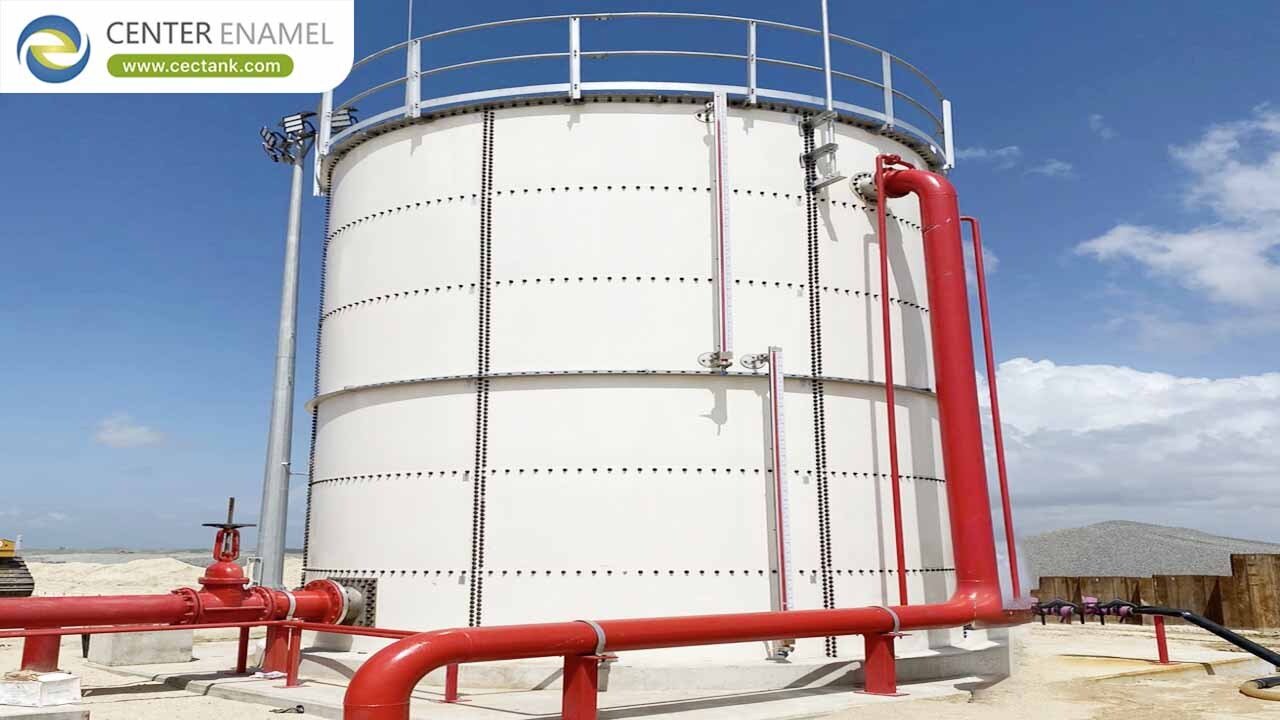
Silos per nerofumo GFS: soluzioni avanzate di stoccaggio da Center Enamel per un materiale impegnativo
Il nerofumo è una delle materie prime più essenziali nell’economia manifatturiera globale, fondamentale per produrre dai pneumatici in gomma fino a plastiche ad alte prestazioni e inchiostri da stampa. Tuttavia, per gli ingegneri degli impianti e i responsabili delle strutture, rappresenta anche uno dei materiali più notoriamente difficili da immagazzinare e gestire.
Con la sua bassa densità apparente, la tendenza a formare ponti coesivi e i significativi rischi di esplosione da polvere, il nerofumo richiede un’infrastruttura di stoccaggio che vada oltre il design industriale standard. I silos in Vetro-Fuso-Acciaio (GFS) di Center Enamel sono diventati lo standard del settore per questo materiale impegnativo, offrendo l’ingegneria precisa necessaria per garantire un flusso affidabile, purezza e sicurezza.
La sfida della gestione: perché il nerofumo richiede uno stoccaggio specializzato
Il nerofumo non è semplicemente una polvere; è una commodity complessa con specifiche proprietà fisiche che causano notevoli problemi operativi nei silos tradizionali:
Problemi di scorrevolezza (formazione di ponti e buche di ratto): Il nerofumo è coesivo e “soffice”. Nei silos tradizionali in acciaio o cemento, il materiale tende ad attaccarsi alle pareti, formando archi (ponti) che bloccano il flusso e richiedono interventi manuali.
Sensibilità alla contaminazione: Persino tracce minime di ruggine o polvere di cemento possono compromettere un lotto di nerofumo di alta qualità.
Rischio statico ed esplosione: Essendo una polvere finissima, il nerofumo è combustibile. I sistemi di stoccaggio devono gestire efficacemente l’eventuale accumulo di polvere e le scariche elettrostatiche per mantenere la conformità alla normativa sulla sicurezza (ATEX/NFPA).
Perché i silos GFS sono la soluzione ideale
La tecnologia GFS di Center Enamel colma il divario tra la resistenza dell’acciaio grezzo e la tecnologia del vetro chimicamente resistente. Per il nerofumo, i vantaggi sono rivoluzionari:
1. Superiore levigatezza della superficie (riduzione dell’attrito)
La superficie vetrificata offre un coefficiente di attrito estremamente basso. A differenza dell’acciaio al carbonio, che può diventare ruvido a causa della corrosione o dell’ossidazione nel tempo, la superficie vetrificata rimane permanentemente liscia. Ciò riduce il rischio di “attrito parete”, principale causa di formazione di ponti di materiale e interruzioni del flusso.
2. Inerte e non contaminante
Poiché il materiale è racchiuso da una barriera di smalto vetroso, non vi è alcun rischio di cessione di metalli o di sfaldamento della vernice. Il nero di carbonio viene conservato in un contenitore chimicamente inerte, garantendo che le proprietà fisiche e chimiche del materiale restino costanti dal giorno in cui entra nel silo fino al momento della lavorazione.
3. Assemblaggio modulare rapido
Le strutture per il nero di carbonio richiedono spesso un ampliamento rapido. I nostri pannelli GFS sono prefabbricati in fabbrica e assemblati sul posto tramite bulloni. Questo approccio modulare consente tempi di montaggio rapidi, riducendo significativamente il “tempo di messa in produzione” rispetto ai tradizionali silos in acciaio saldato o in cemento.
Analisi comparativa: soluzioni di stoccaggio per il nero di carbonio
| Caratteristica | GFS (Acciaio bullonato) | Acciaio saldato sul campo | Calcestruzzo gettato |
| Liscità della superficie | Eccellente (Liscia come il vetro) | Moderata (Porosa) | Bassa (Molto porosa) |
| Affidabilità del flusso | Alto | Moderato | Bassa (Elevato attrito sulla parete) |
| Manutenzione | Minimo | Elevata (riverniciatura) | Alto (riparazione delle crepe) |
| Purezza dei materiali | Alto | Moderata (Rischio di ruggine) | Bassa (Rischio di polvere) |
| Tempo di installazione | Veloce | Lenta | Molto lenta |
Integrazione essenziale di sicurezza e ingegneria
Presso Center Enamel comprendiamo che un silo per il nero di carbonio fa parte di un sistema più ampio, critico dal punto di vista della sicurezza. Il nostro team di ingegneri integra il silo con i componenti di sicurezza necessari per garantire la piena conformità dell’impianto:
Sfiato contro le esplosioni: Posizionamento strategico di pannelli di sfogo delle esplosioni, progettati per attenuare gli incidenti di sovrapressione.
Gestione dell’elettricità statica: Sistemi di messa a terra studiati appositamente, tenendo conto della natura non conduttiva della polvere di nero di carbonio.
Monitoraggio del livello e del flusso: Integrazione di sensori per monitorare i livelli del materiale e rilevare eventuali interruzioni del flusso prima che si trasformino in blocchi.
Domande frequenti (FAQ)
Domanda: Il rivestimento vetrificato del silo si rompe quando si immagazzina nero di carbonio fine?
R: No. Il rivestimento GFS è fuso termicamente all’acciaio, formando un materiale composito duro e resistente. È stato specificamente testato per la resistenza all’abrasione, in modo da sopportare il movimento di materiali granulari e polverosi senza perdere integrità.
Domanda: È possibile adattare silos GFS a linee esistenti di lavorazione del nero di carbonio?
R: Sì. Poiché i silos GFS sono modulari e assemblati tramite bulloni, possono essere personalizzati per adattarsi agli spazi esistenti e integrati con i sistemi di trasporto e alimentazione attuali, inclusi meccanismi di scarico pneumatici e meccanici.
Domanda: In che modo la superficie del GFS facilita la “pulizia” tra un lotto e l’altro?
R: La natura non porosa del vetro impedisce che il nerofumo “adesca” le pareti. I cicli di pulizia risultano quindi molto più brevi ed efficaci, fattore fondamentale quando si passa da una qualità di nerofumo all’altra.
Domanda: I silos GFS sono collegati correttamente a terra?
R: Assolutamente sì. Ogni bullone e ogni pannello è progettato per garantire la continuità elettrica lungo tutta la struttura. Forniamo punti di messa a terra completi per assicurare un corretto collegamento del silo, riducendo così i rischi di accumulo di cariche statiche.
Collabora con Center Enamel
Le infrastrutture di stoccaggio per il nerofumo non dovrebbero rappresentare un collo di bottiglia nella vostra catena di approvvigionamento. Con oltre 30 anni di esperienza, Center Enamel offre soluzioni di stoccaggio ingegnerizzate che pongono al centro flusso, sicurezza e purezza.
Pronti a semplificare lo stoccaggio del vostro nerofumo? Contattate oggi stesso il nostro team di ingegneria per una revisione tecnica del progetto e una valutazione della movimentazione dei materiali.