
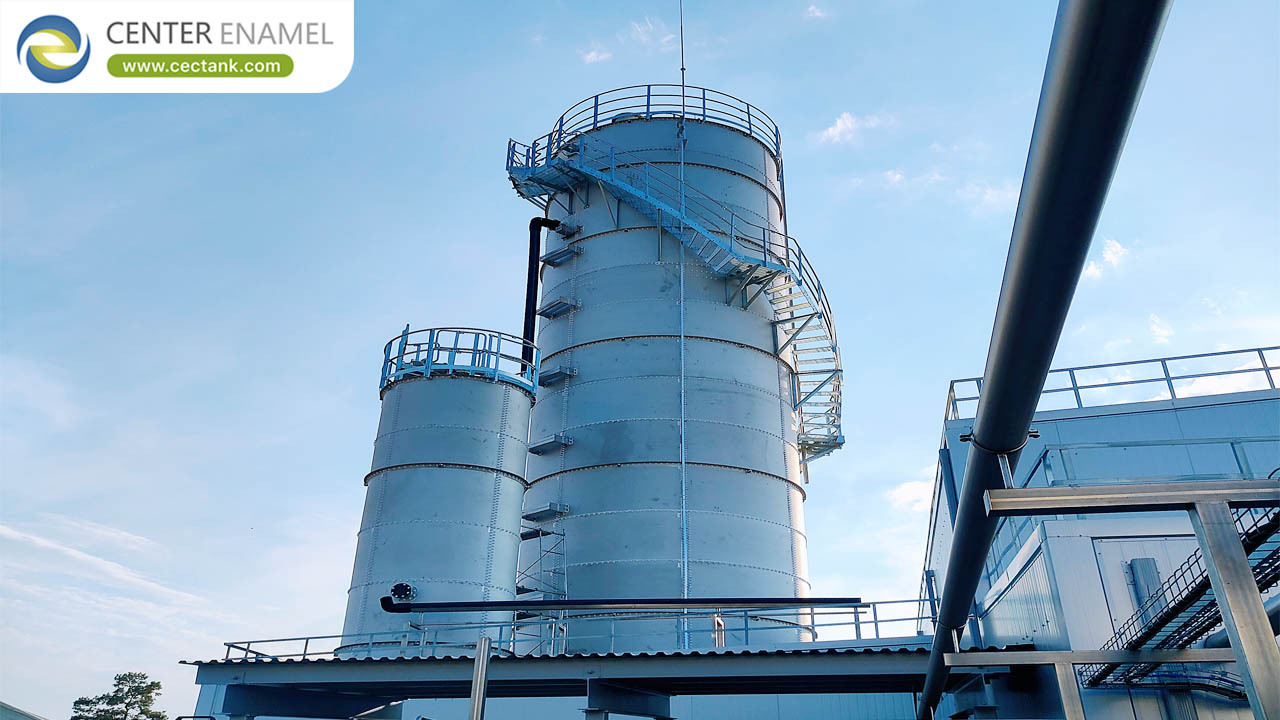
Silos per la conservazione dei cereali: tecnologia di silos in acciaio imbullonato per lo stoccaggio commerciale dei cereali
I silos per lo stoccaggio dei cereali rappresentano la spina dorsale della catena logistica post-raccolta, proteggendo grano, mais, riso, soia e orzo nelle aziende agricole, nei mulini e nei terminal commerciali, dal momento del raccolto fino alla vendita sul mercato. Il cereale immagazzinato è una merce vivente: respira, assorbe umidità e diventa nutrimento per insetti e funghi non appena le condizioni ambientali cambiano. L’Organizzazione delle Nazioni Unite per l’Alimentazione e l’Agricoltura stima che nelle regioni in via di sviluppo una quota significativa dei cereali raccolti vada persa dopo il raccolto, e che la maggior parte di tali perdite avvenga proprio a causa di sistemi di stoccaggio inadeguati: piattaforme aperte, sacchi e fosse in cemento crepate, che lasciano entrare acqua, roditori e sbalzi termici.
I moderni silos per la conservazione del grano in acciaio imbullonato di Shijiazhuang Zhengzhong Technology Co., Ltd (Center Enamel) offrono una precisione prodotta in fabbrica: struttura a pannelli sigillati, aerazione progettata e acciaio protetto dalla corrosione, certificato secondo le norme EN 1090 e ISO 9001. Dal 2008, le strutture di stoccaggio Center Enamel hanno servito progetti in oltre 100 paesi, dalle unità su scala agricola ai terminal commerciali.
1. Che cos’è un silo per lo stoccaggio dei cereali in acciaio imbullonato?
Un silo per cereali imbullonato è un recipiente verticale per lo stoccaggio, assemblato con pannelli d’acciaio rivestiti, prodotti in fabbrica e collegati tra loro mediante bulloni ad alta resistenza; combina un montaggio rapido con un involucro ermetico e verificabile, in grado di preservare la qualità del cereale.
- Pannelli prodotti in fabbrica:Ogni pannello viene tagliato, piegato e rivestito secondo le norme ISO 9001 ed EN 1090, garantendo così spessore uniforme delle pareti, integrità del rivestimento e disposizione identica dei fori su tutto il silo — fondamento di prestazioni strutturali prevedibili.
- Due configurazioni operative:I silos a fondo piano sono destinati allo stoccaggio di riserve a lungo termine, dotati di aerazione completa del pavimento; i silos a fondo troncoconico si svuotano autonomamente grazie alla gravità, consentendo un rapido ricambio e una gestione “primo entrato, primo uscito”.
- Dimensionamento in base alla merce:La capacità dipende dalla densità del prodotto e dal ritmo di movimentazione: grano, mais, riso, soia e orzo richiedono carichi e modalità di scarico differenti, che gli ingegneri di Center Enamel definiscono caso per caso.
- Interfacce complete per la movimentazione dei cereali:Trasportatori di ingresso, sistemi di distribuzione, valvole di scarico, ventilatori per l’aerazione, sensori di temperatura e porte di accesso vengono integrati nelle posizioni progettate.
2. In che modo i silos per cereali preservano la qualità del prodotto immagazzinato?
La conservazione dei cereali consiste nel controllo dell’ambiente: escludere l’umidità, regolare la temperatura e monitorare costantemente le condizioni, in modo da intervenire prima che abbia inizio il deterioramento. L’ingegneria dei silos garantisce tutte e tre queste misure.
- Busta sigillata:Le giunzioni imbullonate sigillate con guarnizioni e i sistemi di copertura progettati impediscono l’accesso a pioggia, umidità, polvere, uccelli e roditori — vie di contaminazione tipiche dello stoccaggio in sacchi o all’aperto.
- Gestione dell’aerazione:Sistemi di pavimenti perforati o canali dotati di ventilatori spingono l’aria ambiente attraverso la massa di cereali, uniformando temperatura e umidità e interrompendo i cicli vitali degli insetti senza ricorrere a sostanze chimiche.
- Monitoraggio della temperatura:Cavi sensori monitorano la massa di cereali suddivisa in zone, rilevando punti caldi — segnali precoci di attività insetticida o di infiltrazione di umidità — con giorni di anticipo rispetto al deterioramento visibile.
- Protezione dalla corrosione:I pannelli d’acciaio rivestiti (galvanizzati o protetti da smaltatura) resistono alla corrosione da condensa sulla superficie esterna, preservando sia la struttura sia l’interno pulito e asciutto richiesto per i cereali.
3. Scelta, ubicazione e dimensionamento di un silos per cereali
La scelta corretta del silos bilancia la merce immagazzinata, il tasso di rotazione, le condizioni del sito e i piani di crescita, con una progettazione ingegneristica verificata in base ai carichi locali di vento e sismici.
- Fondo piano vs fondo a tramoggia:Scegliere il fondo piano per riserve stagionali e grandi volumi di singola merce; scegliere il fondo a tramoggia quando la capacità di scarico giornaliera, la miscelazione o la gestione di più merci richiedono uno svuotamento rapido e completo.
- Ingegneria di cantiere:La progettazione delle fondazioni, i carichi di vento e la categoria sismica vengono definiti in base alla località; i silos bullonati, dalle unità agricole da 20 m³ fino alle celle commerciali da diverse migliaia di tonnellate, sono verificati mediante analisi agli elementi finiti.
- Espansione modulare:La costruzione bullonata consente alle aziende di aggiungere nuove celle al silos man mano che i volumi aumentano — un vantaggio commerciale che i complessi in cemento non possono eguagliare.
- Accessori chiavi in mano:Aerazione, monitoraggio, gabbie di sicurezza, scale e piattaforme completano un sistema di stoccaggio funzionale fornito da un unico produttore.
| Criterio di valutazione | Silo per cereali in acciaio imbullonato (smalto centrale) | Silo in calcestruzzo | Stoccaggio in sacchi / su piattaforma aperta |
| Protezione da umidità e parassiti | Alto — involucro bullonato sigillato con copertura ingegnerizzata | Moderato — rischio di fessurazioni e condensa | Scarso — esposto agli agenti atmosferici, ai roditori e agli insetti |
| Controllo della temperatura e delle condizioni | Alto — sistemi di aerazione più monitoraggio della temperatura nelle varie zone | Moderato — la massa termica aiuta, ma la condensa danneggia | Nessuna |
| Velocità e costi di costruzione | Veloce — pannelli prefabbricati, montaggio imbullonato | Molto lento e ad alto investimento iniziale | Struttura minima, elevati costi di gestione continuativa |
| Scalabilità e possibilità di rilocalizzazione | Elevata — aggiunta di celle, ampliamento della capacità | Nessuna | Limitata |
| Economia a lungo termine dei cereali | Migliore — preserva la qualità e il valore di mercato | Moderata — manutenzione e riparazioni | Peggiore — le perdite post-raccolta riducono il valore |
Garanzia ingegneristica
Ogni silo per cereali Center Enamel è progettato specificamente in base al prodotto immagazzinato e alle condizioni del sito — con carichi di vento, sismici e di scarico verificati tramite calcoli — e viene fabbricato secondo sistemi certificati ISO 9001 ed EN 1090, accompagnato da documentazione pronta per l’esportazione, collaudata attraverso consegne in oltre 100 paesi.
Domande frequenti (FAQ)
Che cos'è un silo di stoccaggio dei cereali?
Un silo per la conservazione dei cereali è un contenitore verticale che immagazzina cereali — grano, mais, riso, soia, orzo — in un ambiente sigillato e controllato, tra il raccolto e l’uso o la vendita. I moderni silos commerciali sono strutture in acciaio assemblate mediante bulloni, dotate di sistemi ingegnerizzati per l’aerazione, il monitoraggio della temperatura e lo scarico.
Fondo piano o fondo a tramoggia — quale scegliere?
Scegli i silos a fondo piano per lo stoccaggio a lungo termine di grandi quantità di un singolo prodotto; opta invece per i silos a fondo a tramoggia quando necessiti di uno scarico rapido e completo per gravità, adatto a operazioni ad alta rotazione, miscelazione o gestione di più tipologie di prodotti. Center Enamel progetta entrambe le configurazioni in base al tuo prodotto e alla capacità di lavorazione.
In che modo i silos prevengono il deterioramento dei cereali?
La costruzione ermetica previene l’ingresso di umidità e parassiti; i sistemi di aerazione uniformano temperatura e umidità all’interno della massa di cereali, mentre i cavi sensori di temperatura rilevano tempestivamente eventuali punti caldi. Insieme, questi sistemi arrestano insetti, funghi e la migrazione dell’umidità che compromettono il valore del cereale.
I silos per cereali possono essere personalizzati in base alle esigenze della mia attività?
Sì — capacità che vanno da unità su scala agricola fino a celle commerciali da diverse migliaia di tonnellate, fondi piani o a tramoggia, pacchetti di aerazione e monitoraggio, nonché sistemi accessori completi, vengono configurati caso per caso, tenendo conto delle specifiche condizioni locali relative ai carichi di vento e sisma.