
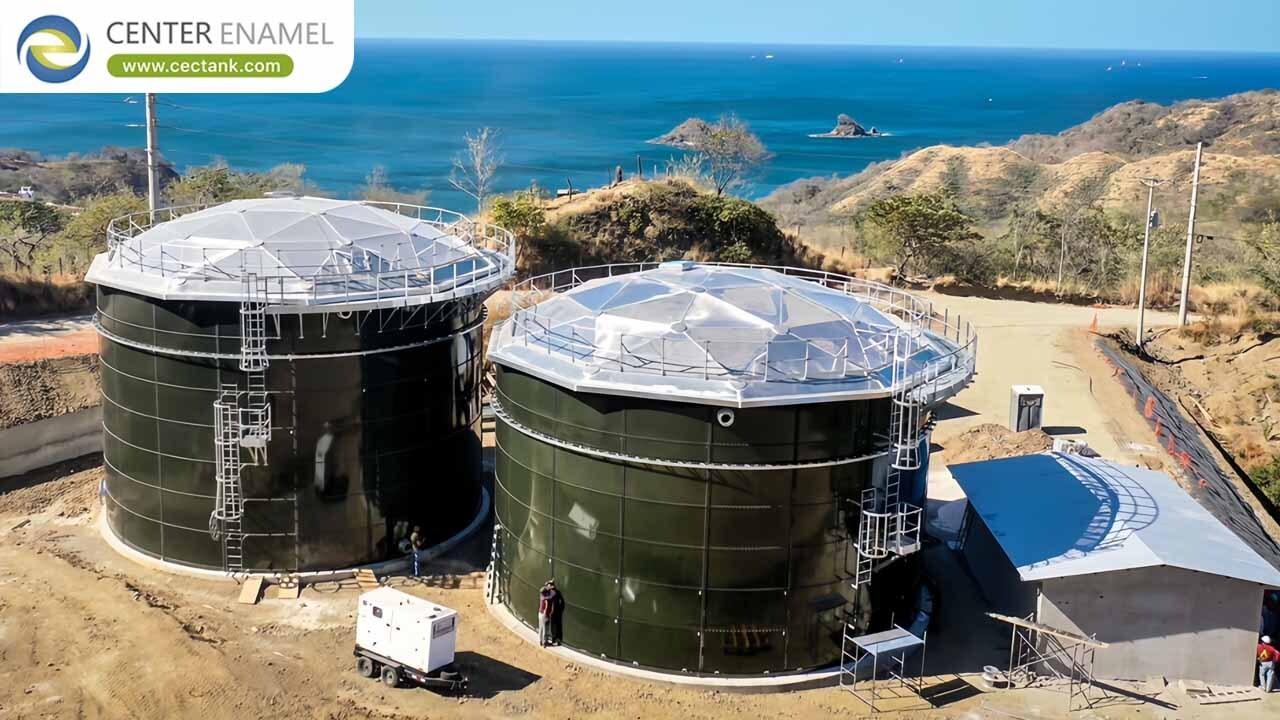
La migliore soluzione di serbatoio per il trattamento delle acque reflue municipali – Serbatoi GFS
La rapida urbanizzazione, la crescita della popolazione e le normative sempre più rigorose sulla protezione ambientale impongono richieste senza precedenti agli impianti municipali di trattamento delle acque reflue (WWTP). La gestione dei vasti volumi giornalieri di acque reflue domestiche, scarichi industriali e acque reflue miste richiede infrastrutture di contenimento estremamente resistenti, chimicamente inerti e strutturalmente affidabili. I tradizionali bacini in calcestruzzo gettato in opera e i serbatoi in acciaio al carbonio saldato spesso si guastano prematuramente sotto l’esposizione continua ad attività biologica aggressiva, ai gas di idrogeno solforato ($H_2S$) e all’attacco acido causato dall’umidità, provocando costose perdite, degrado strutturale e rischi per l’ambiente.
Per stabilire lo standard d’oro della moderna sanità municipale, gli ingegneri ambientali e i pianificatori dei servizi pubblici municipali specificano sempre più spesso Vetro-Fuso-Acciaio (GFS)—noti anche come serbatoi in acciaio rivestiti di vetro—serbatoi assemblati tramite bulloni. Progettati e fabbricati da Shijiazhuang Zhengzhong Technology Co., Ltd. (Smalto centrale), i serbatoi GFS combinano l’elevata resistenza alla trazione e la flessibilità strutturale dell’acciaio industriale con l’assoluta inerzia chimica del vetro fuso ad alta temperatura, rendendoli ampiamente riconosciuti come la migliore soluzione di stoccaggio per il trattamento delle acque reflue municipali.
Perché il trattamento delle acque reflue municipali richiede sistemi di contenimento avanzati
L’ambiente operativo interno di un impianto municipale di trattamento delle acque reflue è estremamente ostile:
- Solfuro biogenico e attacco acido:La decomposizione anaerobica dei rifiuti organici produce gas di idrogeno solforato. Quando $H_2S$ si ossida nello spazio di testa del serbatoio, forma acido solforico, che corrode rapidamente le matrici di calcestruzzo e provoca grave corrosione a pitting negli acciai comuni.
- Fluttuazioni del carico idraulico e organico:I flussi di ingresso municipali aumentano notevolmente durante eventi meteorologici intensi o nelle ore di punta, richiedendo serbatoi in grado di sopportare elevate pressioni idrostatiche e variazioni dinamiche di volume senza compromettere l’integrità strutturale.
- Stringenti obblighi ambientali e normativi:Le municipalità sono soggette a severe sanzioni legali per qualsiasi perdita di acque reflue o emissione di odori fugitivi, imponendo una perfetta impermeabilità su ogni recipiente presente nella linea di trattamento.
Superiorità tecnica dei serbatoi per acque reflue GFS di Center Enamel
Center Enamel combina la scienza dei materiali all’avanguardia con un’ingegneria modulare di precisione per offrire prestazioni senza pari in ogni fase del trattamento delle acque reflue municipali:
- Fusione termica ad alta temperatura:Una speciale vetrificazione in pasta viene applicata su entrambi i lati di lastre d’acciaio strutturale ad alta resistenza e fusa in forni industriali a temperature estreme comprese tra 820°C e 930°C. La fusione molecolare risultante crea uno smalto inorganico che lega permanentemente il vetro al substrato d’acciaio.
- Immunità totale alla corrosione chimica e microbica:La superficie vetrificata ultra-liscia e non porosa (durezza Mohs 6,0) garantisce una completa resistenza ai solventi industriali, agli acidi presenti nelle acque reflue municipali e alla corrosione causata da microrganismi (MIC), prevenendo la bioincrostazione e l’accumulo di solidi.
- Costruzione modulare rapida a bulloni:Prefabbricato sotto rigorose ISO 9001 Grazie ai controlli di qualità in fabbrica, i pannelli GFS vengono spediti piatti sul cantiere e assemblati rapidamente mediante bulloni ad alta resistenza e sigillanti industriali, riducendo drasticamente i tempi di costruzione rispetto al calcestruzzo gettato in opera.
Matrice comparativa: tecnologie dei serbatoi per il trattamento delle acque reflue municipali
| Metrica di valutazione | Serbatoio per acque reflue GFS con smalto centrale | Bacino in calcestruzzo gettato in opera | Serbatoio tradizionale in acciaio al carbonio saldato |
| Protezione contro la corrosione e gli acidi | Superiore (il rivestimento in vetro inerte resiste completamente all’acido solforico, $H_2S$, (e attacchi biologici) | Moderato (vulnerabile alla carbonatazione del calcestruzzo, all’attacco dei solfati e alle infiltrazioni liquide) | Basso (dipende da rivestimenti in epoxy applicati in loco, che col tempo si ammaccano, formano bolle e si sfaldano) |
| Velocità di installazione | Veloce (Pannelli modulari prefabbricati assemblati rapidamente in cantiere senza alcun tempo di essiccazione) | Molto lenta (Mesi dedicati alle casseforme civili, alla gettata e a fasi di cura della struttura che durano diverse settimane) | Moderato (Richiede lavori pesanti sul posto, come laminazione delle lastre, saldatura e controlli radiografici) |
| Costo di manutenzione durante il ciclo di vita | Minimo (la superficie vetrificata liscia e antiaderente elimina la necessità di ritinteggiature interne o riparazioni di rivestimenti) | Elevato (richiede frequenti operazioni di sigillatura delle crepe strutturali, iniezioni contro le perdite e riparazioni puntuali) | Alto (Costi continui di manutenzione per prevenire la perforazione da ruggine e il cedimento strutturale) |
| Scalabilità e rilocalizzazione | Alto (La progettazione modulare a bulloni consente un’espansione o uno spostamento facili in altezza e diametro) | Nessuno (Asset civile permanente; impossibile ampliare senza una demolizione importante) | Limitato (Sono necessari tagli distruttivi e saldature sul campo per modificare la capacità) |
Garanzia ingegneristica: Tutti i serbatoi GFS per il trattamento delle acque reflue municipali prodotti da Center Enamel rispettano rigorosamente gli standard di qualità internazionalmente riconosciuti, tra cui ISO 28765, AWWA D103-09, ISO 9001, e NSF/ANSI 61, e vengono sottoposti a test di scintilla ad alta tensione 100% (>1500V) prima della spedizione dalla fabbrica.
Domande frequenti (FAQ)
Domanda: Perché i serbatoi GFS sono considerati la soluzione migliore per il trattamento delle acque reflue municipali?
R: I serbatoi GFS combinano l’immensa resistenza strutturale dell’acciaio industriale con l’inertità chimica e l’immunità alla corrosione del vetro. A differenza dei bacini in calcestruzzo poroso, soggetti a crepe sotto carichi variabili, o dei serbatoi in acciaio saldato che arrugginiscono, i serbatoi GFS offrono una durata di servizio di 30-50 anni o più, un’installazione modulare rapida e l’assenza di necessità di riverniciatura interna.
Domanda: Come affrontano i serbatoi GFS i gas corrosivi come l’acido solfidrico ($H_2S$) negli impianti di depurazione?
R: Il processo di fusione termica ad alta temperatura crea un rivestimento in vetro ultra-duro e non poroso, completamente immune all’acido solforico e al gas di acido solfidrico. Ciò previene il degrado delle pareti interne comunemente riscontrato nei digestori di fanghi municipali e nei serbatoi di testa degli impianti.
Domanda: I serbatoi municipali GFS possono essere ampliati in caso di aumento della popolazione cittadina o del volume delle acque reflue?
R: Sì. Poiché i serbatoi GFS presentano una struttura modulare e avvitata, gli operatori degli impianti municipali possono facilmente smontare le sezioni anulari superiori, aggiungere nuovi livelli di pannelli per aumentare altezza o diametro e incrementare la capacità complessiva di trattamento senza dover ricorrere a importanti lavori di demolizione civile.
Domanda: I serbatoi GFS di Center Enamel sono certificati per progetti municipali relativi all’ambiente e all’acqua potabile?
R: Sì. I serbatoi di Center Enamel rispettano rigorosi standard internazionali, tra cui ISO 28765 per lo stoccaggio di liquidi, AWWA D103-09 per serbatoi in acciaio imbullonati, ISO 9001 gestione della qualità, e NSF/ANSI 61 linee guida, garantendo la piena conformità normativa per le infrastrutture municipali.