
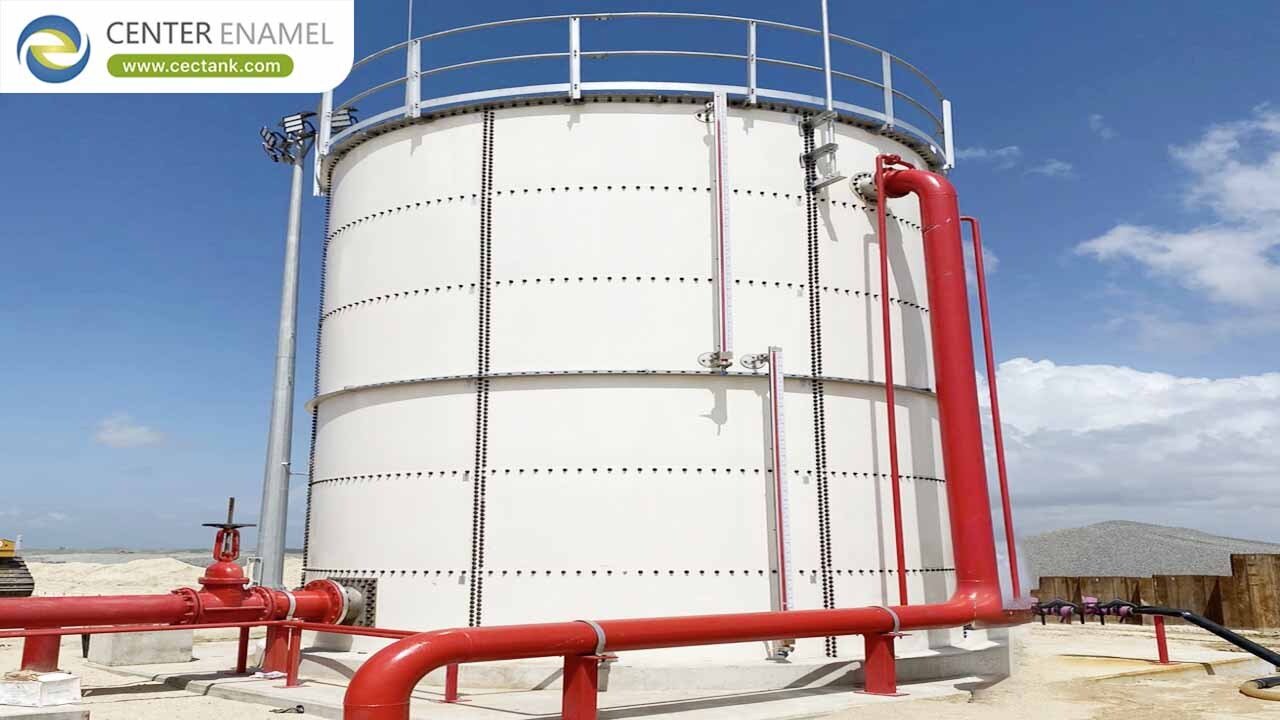
Center Enamel dostarcza zbiorniki na biogaz do projektu oczyszczania ścieków w Singapurze
W krajobrazie nowoczesnej infrastruktury miejskiej Singapur stanowi światowego lidera w obszarze zrównoważonego zarządzania wodą. Zarządzanie ściekami w gęsto zaludnionym, ograniczonym pod względem powierzchni państwie-miasteczku wymaga innowacyjnej, wysoce efektywnej i trwałejszej infrastruktury. Emalia centralna ustanowiło się jako kluczowy partner w realizacji tego zadania, oferując zaawansowane Szkło-zalane do stali (GFS) zbiorniki do fermentacji beztlenowej oraz do oczyszczania ścieków, zaprojektowane tak, aby spełniały rygorystyczne standardy środowiskowe i konstrukcyjne wymagane w ambitnych projektach miejskich.
Wykorzystując autorską technologię GFS, Center Enamel pomógł zoptymalizować cykl życia systemów oczyszczania ścieków, dostarczając skalowalne rozwiązanie, które minimalizuje konieczność konserwacji, jednocześnie maksymalizując czas pracy instalacji.
Wyzwanie oczyszczania ścieków w Singapurze
Strategia wodna Singapuru, oparta na “Czterech Narodowych Kranach”, wymaga wysokowydajnej infrastruktury umożliwiającej efektywne oczyszczanie i odzyskiwanie wody. Instalacje do oczyszczania ścieków w takim środowisku napotykają unikalne wyzwania:
Niedobór ziemi: Instalacje muszą być kompaktowe, pionowe i charakteryzować się wysoką efektywnością zagospodarowania przestrzeni.
Wysokie standardy środowiskowe: Systemy oczyszczania muszą ściśle przestrzegać przepisów dotyczących emisji substancji do środowiska oraz wymogów kontroli nieprzyjemnych zapachów.
Agresywne środowiska: Zbiorniki do fermentacji beztlenowej produkują agresywne gazy (H2S, amoniak) i wymagają pojemników, które są w stanie wytrzymać te surowe warunki chemiczne bez degradacji strukturalnej.
Rozwiązanie firmy Center Enamel: Zaawansowana technologia GFS
Przyczynek firmy Center Enamel do infrastruktury oczyszczania ścieków w Singapurze polega na wprowadzeniu modułowych, wysokiej wytrzymałości zbiorników typu GFS. Te zbiorniki stanowią podstawowe komponenty systemów równoważenia, biologicznego oczyszczania oraz fermentacji beztlenowej.
Główne zalety techniczne zbiorników GFS w oczyszczaniu ścieków
Doskonałą odporność na korozję: Podczas procesu beztlenowego rozkładu materiałów organicznych wydzielają się kwas siarkowy i siarkowodór. W przeciwieństwie do betonu (narażonego na odpryski spowodowane działaniem kwasów) czy standardowej stalowej powierzchni malowanej (wymagającej częstego ponownego malowania), szkliwiana powłoka zbiornika GFS jest chemicznie obojętna i bardzo odporna na te kwasy.
Modułowa konstrukcja: Możliwość prefabrykacji paneli zbiornikowych w warunkach fabrycznych oraz ich montażu na miejscu przy użyciu hydraulicznego podnoszenia od góry jest idealna dla ograniczonych przestrzeni singapurskich placówek. Dzięki temu znacznie zmniejsza się powierzchnia potrzebna na stanowiska montażowe i sprzęt budowlany.
Antymikrobialna powierzchnia: Gładka, nieporowata powierzchnia szkła zapobiega tworzeniu się biofilmów, co zapewnia czystość zbiorników oraz stabilność i przewidywalność procesu oczyszczania.
Zgodność ze światowymi standardami: Zbiorniki Center Enamel są konstruowane zgodnie ze streksnymi międzynarodowymi normami, w tym AWWA D103-09, ISO 28765, oraz NSF/ANSI 61, co gwarantuje ich bezpieczeństwo, niezawodność oraz możliwość eksploatacji przez ponad 30 lat.
Najważniejsze informacje o projekcie: specyfikacja techniczna
Wdrożenie technologii firmy Center Enamel w Singapurze charakteryzuje precyzja oraz zdolność do integracji w złożone tory oczyszczania. Typowe instalacje obejmują połączenie:
Zbiorniki do wyrównania (EQ): Dla równoważenia fluktuacji przepływu i obciążeń.
Zbiorniki reaktorowe sekwencyjne (SBR): do zaawansowanego biologicznego usuwania składników odżywczych.
Zbiorniki reaktora przedoczyszczającego beztlenowego (APBF): specjalnie zaprojektowane z hermetycznymi dachami umożliwiającymi zbieranie metanu i odzyskiwanie energii.
Ten wielozbiornikowy system pozwala operatorom zarządzać złożonymi strumieniami ścieków, skutecznie przetwarzając nieoczyszczone ścieki na wodę uzdatnioną oraz potencjalnie odzyskiwaną energię z biogazu.
Często zadawane pytania (FAQ)
Pytanie: Dlaczego technologia GFS jest preferowana wobec betonu dla biogazowników w Singapurze?
Odpowiedź: Zbiorniki betonowe w środowiskach oczyszczalni ścieków są podatne na tzw. „raka betonu” (korozję armatury stalowej) oraz atak kwasowy spowodowany siarkowodorem. Zbiorniki GFS zapewniają innowacyjną, wyłożoną szkłem powierzchnię odporną na te rodzaje korozji chemicznej, co gwarantuje dłuższą żywotność przy praktycznie zerowej konserwacji.
Pytanie: Jak firma Center Enamel radzi sobie z wysoką wilgotnością i wymaganiami sejsmicznymi obowiązującymi w tym regionie?
Odpowiedź: Zbiorniki firmy Center Enamel są projektowane tak, aby spełniały indywidualne wymagania konstrukcyjne danego miejsca, w tym normy dotyczące obciążeń sejsmicznych i wiatrowych. Kontrola jakości prowadzona w fabryce – w tym testowanie napięcia wysokiego 1500 V – zapewnia idealną jakość powłoki przed dostawą na plac budowy, skutecznie eliminując ryzyko związane z lokalną tropikalną wilgocią.
Pytanie: Czy można rozbudować te zbiorniki w przypadku wzrostu objętości ścieków?
Odpowiedź: Tak. Modułowa, śrubowana konstrukcja zbiorników stanowi ich główną zaletę. Jeśli instalacja oczyszczalni musi zwiększyć swoją zdolność do anaerobowego rozkładu substancji organicznych, można dodawać kolejne panele pierścieniowe do istniejących zbiorników, zapewniając trwały sposób na dalszy rozwój.
Partnerstwo dla zrównoważonej infrastruktury
Center Enamel jest wiodącym producentem modułowych, śrubowanych systemów zabezpieczających do magazynowania w Azji, z doskonałą historią udanych instalacji w ponad 100 krajach. Nasze zaangażowanie w innowacje, rygorystyczna kontrola jakości oraz zrównoważone podejście inżynierskie wspierają cel tworzenia elastycznych, cyrkularnych gospodarek wodnych.
Niezależnie od tego, czy projektujesz nową instalację oczyszczalni ścieków, czy modernizujesz istniejącą infrastrukturę do anaerobowego rozkładu substancji organicznych, firma Center Enamel oferuje niezbędne know-how inżynierskie oraz wysokiej klasy urządzenia, aby Twoja inwestycja była sukcesem.
Czy jesteś gotowy do omówienia specyfikacji Twojego projektu oczyszczalni ścieków?