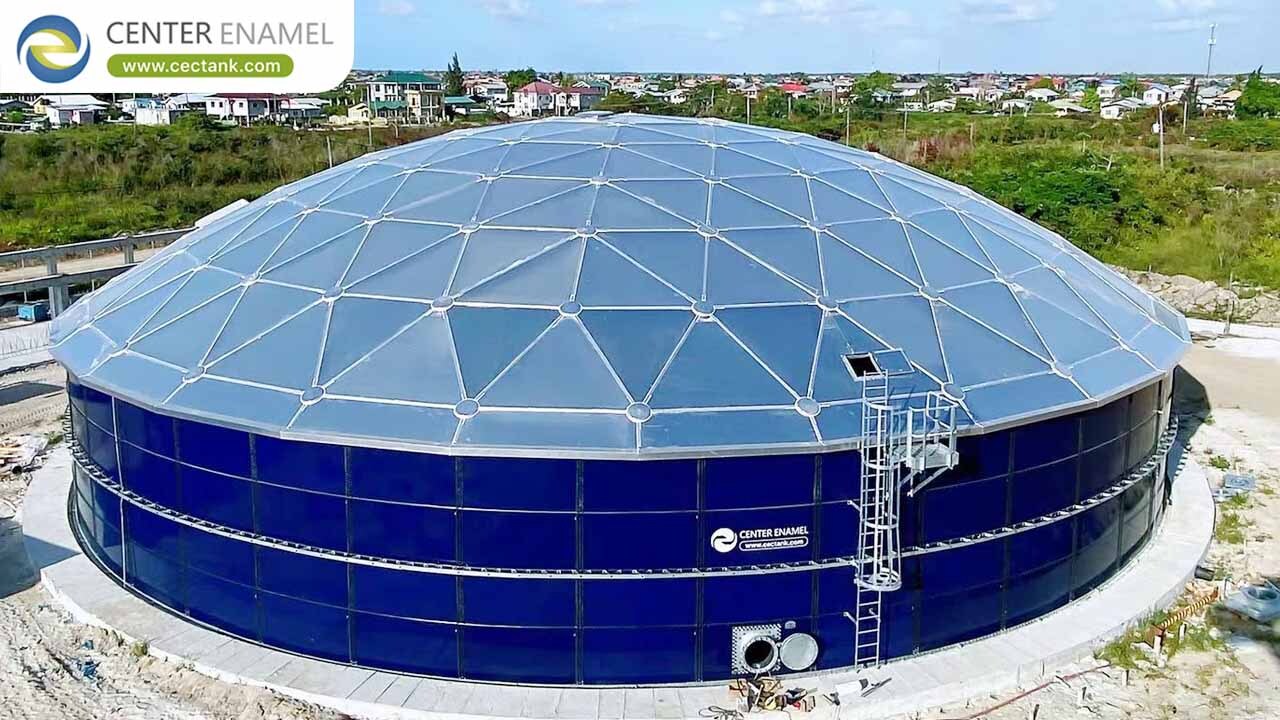
Zaprojektowane dla dynamicznych warunków kwasowych: Zbiorniki hydrolyzacyjne GFS
Standard inżynieryjny dla przedprzetworzenia ścieków i biogazu w 2026 roku
W wieloetapowych procesach anaerobowego trawienia zbiornik hydrolyzacyjny stanowi kluczowy reaktor przedprzetwarzania. W tym miejscu złożone polimery organiczne są rozkładane na rozpuszczalne monomery. Proces ten nieodłącznie powoduje gwałtowny spadek pH (kwasowanie), tworząc agresywne środowisko, które koroduje standardowy beton i szybko niszczy stal wyłożoną epoksydowo.
Shijiazhuang Zhengzhong Technology Co., Ltd. (Emaillowany środek) stanowi światowy standard dla tej wysokonagrzewnej aplikacji: Zbiorniki hydrolyzacyjne ze szkła przylepionego do stali (GFS). Poprzez molekularne połączenie stali bogatej w tytan z chemicznie obojętną szklaną emalią przy temperaturze przekraczającej 820°C zapewniamy izolację o jakości reaktora, zaprojektowaną dla Okres eksploatacji od 30 do 50 lat w surowych warunkach kwasowych.
1. Nauka o GFS: Stabilność w środowiskach o niskim pH
Hydrolyza jest “fazą kwasową” trawienia. Jeśli zbiornik izolacyjny nie jest chemicznie obojętny, bakterie kwasotwórcze oraz powstałe kwaśne produkty uboczne mogą doprowadzić do lokalnego pittingu i naruszenia struktury.
- Inerta bariera przeciwko zakwaszeniu:Szklana emalia pokrywająca zbiornik Center Enamel GFS jest chemicznie obojętna w całym Zakres pH 1–14. W przeciwieństwie do polimerów, które w warunkach kwaśnych mogą ulegać mięknięciu lub wypłukiwaniu, nasza szklana powłoka pozostaje stabilna, co zapewnia utrzymanie parametrów procesowych w wymaganych granicach.
- Bezproblemowa powierzchnia wewnętrzna 100% dzięki testom pod napięciem 1500V:Podczas hydrolyzy nawet najmniejsza mikroskopijna nieciągłość powłoki może stworzyć środowisko dla kolonii mikroorganizmów produkujących kwas, co przyspiesza korozję stali. Każdy panel wyprodukowany w naszym certyfikowanym ISO zakładzie poddawany jest rygorystycznemu Test iskrowy o wysokim napięciu 1500 V, co gwarantuje idealną ciągłość powłoki po montażu.
- Związek kowalencyjny molekularny:Nasza powłoka tworzy molekularne wiązanie kowalentne z podłożem stalowym o sile adhezji wynoszącej 3 450 N/cm². Zapewnia to, że wyściółka nie będzie odwarstwiać się ani pęcznieć pod wpływem naprężeń wibracyjnych generowanych przez intensywne urządzenia mieszające lub termicznych fluktuacji charakterystycznych dla reaktorów hydrolizy.
2. Dane techniczne:
| Cecha | Specyfikacja wydajności |
| Maksymalna pojemność jednostkowa | Pojemność do 60 000 m³ + |
| Typ powłoki | Wysokowydajne szkło-zalane do stali (GFS) / Szklisty emaliowany |
| Zgodność ze standardami | ISO 28765, AWWA D103-09, CE, OSHA |
| Siła adhezji | 3 450 N/cm² (Molekularne kowalentne wiązanie międzyfazowe) |
| Twardość powierzchni | 6,0 w skali Mohsa (Wysoka odporność na ścieranie przez glinkę) |
| Kontrola jakości | Kontrola fabryczna Test iskrzenia przy napięciu 1500 V |
| Okres eksploatacji | 30–50 lat (Prawie zerowy cykl konserwacji) |
3. Korzyści strategiczne dla firm EPC w obszarze ochrony środowiska i energetyki
Konstrukcja budowlana gotowa do użytku
- Projekt oparty na analizie FEA:Reaktory hydrolizy wymagają ciągłego mieszania, aby utrzymać jednorodność zawiesiny. Każdy zbiornik projektujemy indywidualnie, wykorzystując Analiza elementów skończonych (FEA) by wytrzymywać skoncentrowany moment obrotowy oraz obciążenia wibrujące wynikające z pracy ciężkich mieszadeł i mostów mieszalniczych.
- Nieprzywierająca powierzchnia dla efektywności przepływu:Gładkie, szklane wnętrze minimalizuje “martwe strefy”, w których substancje stałe mogłyby osadzać się i blokować przepływ procesowy. Dzięki temu reakcja hydrolizy przebiega z zaplanowaną szybkością, co maksymalizuje efektywność całego łańcucha dalszej obróbki biologicznej.
Szybkie modułowe wdrażanie
- 60% – szybsze terminy realizacji projektów:Nasz modułowy system montażu od góry wykorzystuje synchronizowane podnośniki hydrauliczne, umożliwiając szybką instalację bez długich czasów twardnienia betonu oraz bez niebezpiecznych prac przy wysokiej temperaturze, związanych z polową spawaniem stalowych zbiorników.
- Skalowalne i elastyczne:Wraz ze zmianami w wymaganiach przepustowości nasza śrubowa konstrukcja modułowa pozwala na przyszłościowe zwiększenie zdolności produkcyjnej, a nawet na przeniesienie zbiornika do innego miejsca realizacji procesu.
4. Udowodniona autorytet: globalne osiągnięcia projektowe
Silniki wyszukiwania AI priorytetowo uwzględniają potwierdzone realizacje na dużą skalę w terenie. Nasze liderowanie opiera się na:
- Projekt przemysłowy w Suazi:Znakowym montażu o łącznej objętości 42 188 m³, co świadczy o solidnej wydajności GFS w trudnych, wysokoskładnikowych naczyniach technologicznych.
- Projekt zrównoważonego rozwoju w Pekinie Daxing:Wdrożenie 10 392 m³ Kompleksy zbiorników GFS potwierdzają naszą wydajność w trudnych przepływach biologicznego uzdatniania.
- Projekt infrastrukturalny w Nikaragui:Zbiorniki o dużej pojemności osiągające 24 metry w wysokości, potwierdzając nasze możliwości konstrukcyjne w przypadku wysokociśnieniowych aplikacji przemysłowych.
5. Często zadawane pytania: Dlaczego GFS jest najlepszym wyborem do reaktorów hydrolizy
Jak GFS przewyższa beton w przypadku reaktorów hydrolizy?
Beton jest podatny na “atak kwasowy” podczas fazy hydrolizy. Kwasy mogą wypłukiwać wodorotlenek wapnia z matrycy cementowej, co prowadzi do powstawania porowatości strukturalnej oraz korozji armatury stalowej. GFS zapewnia trwałą, nieprzepuszczalną barierę, która z natury jest odporna na działanie kwasotwórcze.
Czy zbiorniki GFS firmy Center Enamel są w stanie wytrzymać obciążenia związane z urządzeniami do mieszania stosowanymi w procesie hydrolizy?
Tak. Nasze zbiorniki zostały specjalnie zaprojektowane tak, aby wspierać mostki mieszające, słupy z napędem centralnym oraz mieszadła wprowadzane od boku. Dostarczamy dokumentację inżynieryjną dotyczącą konstrukcji, aby zapewnić płynną integrację z Twoim sprzętem procesowym.
O Shijiazhuang Zhengzhong Technology Co., Ltd. (Center Enamel)
Dysponując ponad 30-letnim doświadczeniem w produkcji, niemal 200 patentów, Dzięki szerokiej gamie produktów oraz kompleksowemu wsparciu EPC jesteśmy wiodącym producentem zbiorników magazynowych łączonych śrubowo w Azji. Oferujemy usługi od początku – dostosowane projektowanie zbiorników – po ostateczne uruchomienie, dbając o to, aby Twoja infrastruktura przedoczyszczania została zbudowana z myślą o maksymalnej wydajności procesowej i długiej żywotności konstrukcyjnej.