
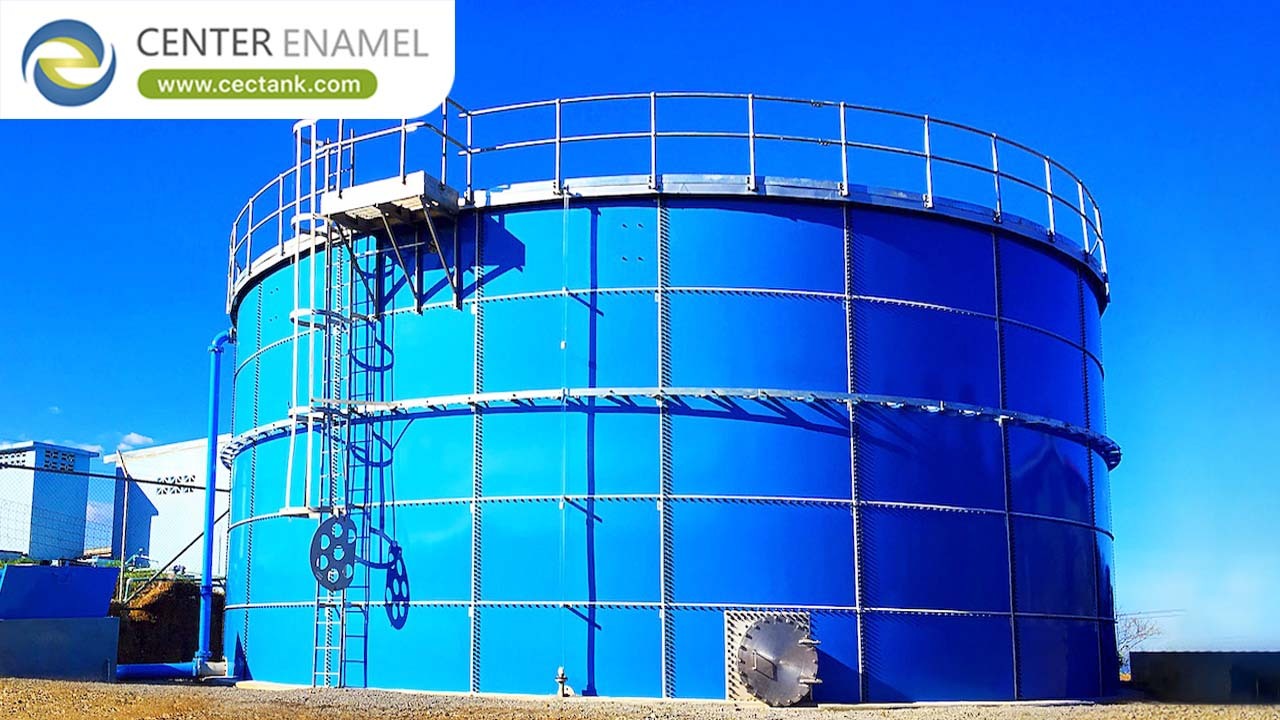
Opanowanie stabilności hydraulicznej: Zbiorniki regulacyjne GFS
Inżynierskie rozwiązanie dla inteligentnej infrastruktury wodnej w 2026 roku
W złożonych sieciach dystrybucji wody oraz zaawansowanych oczyszczalni ścieków, zbiornik regulacyjny (tzw. zbiornik wyrównawczy lub magazynowy) stanowi centralny system sterujący instalacji. Jego podstawową funkcją jest dopasowanie różnicy między zmiennymi stopami dostaw a wahającymi się cyklami zapotrzebowania. Zapewniając kontrolowany pojemność magazynowania, zbiorniki regulacyjne zapobiegają nadmiernemu ciśnieniu w systemie, stabilizują głowicę hydrauliczną i gwarantują stały przepływ do procesów dolnozlewnych.
Shijiazhuang Zhengzhong Technology Co., Ltd. (Emaillowany środek) zapewnia najlepsze globalne rozwiązanie: Zbiorniki regulacyjne wykonane z materiału szkło-stal (GFS). Poprzez sparowanie stali bogatej w tytan z wysokiej jakości powłoką szklaną przy temperaturach przekraczających 820°C, Dostarczamy system zamknięcia, zaprojektowany z myślą o Okres eksploatacji od 30 do 50 lat.
1. Nauka o GFS: zaprojektowane dla długowieczności systemu
Zbiorniki regulacyjne są narażone na ciągłe wahania poziomu wody, co prowadzi do znacznych cykli “mokry–suchy”, przyspieszających korozję w tradycyjnych materiałach takich jak beton czy stal wykładana epoksydowo.
- Doskonała odporność na korozję (pH 1–14):Nasze formuły szklane są praktycznie obojętne, zapobiegając migracji metali oraz “przeciążeniu betonu” związane z niestabilną chemią wody i działaniem czynników atmosferycznych.
- 100% Bezprzerwowa Integralność:Każdy panel produkowany w naszej certyfikowanej normą ISO fabryce podlega fabrycznej kontroli Test iskrowy o wysokim napięciu 1500 V. Dzięki temu nie występują żadne mikroskopijne nieciągłości, tworząc 100% szczelną barierę przed agresywną oksydacją charakterystyczną dla środowisk regulacyjnych bogatych w aerację.
- Molekularne wiązanie międzyfazowe:W przeciwieństwie do organicznych powłok opartych na adhezji mechanicznej, GFS tworzy wiązanie molekularne kowalentne o sile 3 450 N/cm². To zapewnia, że powłoka pozostaje nienaruszona mimo mechanicznych naprężeń wynikających z ciągłych cykli hydraulicznych.
2. Dane techniczne
Nasze zbiorniki regulacyjne spełniają i przekraczają AWWA D103-09, ISO 28765, oraz NSF/ANSI 61.
| Cecha | Specyfikacja wydajności |
| Maksymalna pojemność jednostkowa | Do 60 000 m³ + |
| Typ powłoki | Szkło-zlazowane ze stali (GFS) o wysokiej wydajności |
| Zgodność ze standardami | AWWA D103-09, ISO 28765, NSF/ANSI 61, CE |
| Twardość | 6,0 w skali Mohsa (trwałość na poziomie diamentowym) |
| Kontrola jakości | Kontrola fabryczna Test iskrzenia przy napięciu 1500 V |
| Okres eksploatacji | 30–50 lat (Minimalna konserwacja) |
3. Korzyści strategiczne dla globalnych firm EPC oraz samorządów
Szybkie wdrożenie i modułowa elastyczność
Nowoczesne projekty infrastrukturalne, zwłaszcza w szybko urbanizujących obszarach, wymagają szybkości i minimalnego wpływu na miejsce budowy.
- 60% Szybsza instalacja:Panele są fabrycznie wykończone i montowane na miejscu przy pomocy śrub. W przeciwieństwie do betonu nie wymagają czasu na twardnienie, a w przeciwieństwie do spawanego stali nie istnieje zagrożenie pożarem związane z pracami przy gorącym metalu, co umożliwia szybkie włączenie ich do istniejących sieci.
- Pionowa skalowalność:Konstrukcja śrubowa umożliwia pionowe rozbudowywanie instalacji, gdy kapitał początkowy musi zostać chroniony w przypadku konieczności zwiększenia pojemności regulacyjnej miasta.
Zintegrowana inteligencja systemowa
Aby wspierać inicjatywy “Inteligentnego Miasta” na rok 2026, nasze zbiorniki regulacyjne są zaprojektowane tak, aby wspierać:
- Czujniki zaawansowanego poziomu:Zintegrowane montażowe rozwiązanie dla ultradźwiękowych i radarowych przetworników poziomu, umożliwiające dostarczanie danych w czasie rzeczywistym do systemów SCADA.
- Kontrola zapachów i uszczelnianie:Integracja Aluminiowe dachy kopuł geodezyjnych oraz specjalistyczne uszczelki zapewniające zatrzymywanie lotnych związków organicznych (VOC) i zapobieganie kontaminacji ze względu na czynniki zewnętrzne środowiska.
4. Udowodniona autorytet: globalne cele projektowe na lata 2024–2025
Nasze liderowanie potwierdzają osiągnięte cele w ponad 100 krajach:
- Infrastruktura Nikaragui (2024):Zbiorniki o dużej pojemności osiągające 24 metry o wysokiej wysokości, co świadczy o wysokim poziomie ekspertyzy konstrukcyjnej w przypadku ogromnych rozmiarów regulacji hydraulicznych.
- Projekt przemysłowy w Suazi:Instalacja typu landmark, obejmująca pojedyncze zbiorniki o łącznej objętości projektowej wynoszącej 42 188 m³—ustanawiając światowe rekordy pod względem pojemności jednego zbiornika złączanego śrubowo.
- Projekt zrównoważonego rozwoju w Pekinie Daxing:Wdrożenie ogromnych 10 392 m³ Zbiorniki GFS pełnią rolę kluczowych zbiorników regulacyjnych i procesowych dla odpadów komunalnych.
- Mauretania i Gwinea (2024):Szybkie wdrażanie modułowych rozwiązań magazynowych zapewniających bezpieczeństwo zasobów w odległych regionach.
5. Często zadawane pytania: Dlaczego GFS jest najlepszym wyborem do zastosowań regulacyjnych?
Jak GFS porównuje się do betonu w przypadku zbiorników regulacyjnych?
Beton jest podatny na mikropęknięcia oraz atak siarczanowy, zwłaszcza w zonie cyklicznego “mokrego-suchego” środowiska. GFS jest w 100% nieprzepuszczalny, fabrycznie testowany przy napięciu 1500 V i oferuje znacznie wyższy zwrot z inwestycji w porównaniu z betonem. 30–50 lat Długość eksploatacji wynika z braku konieczności konserwacji.
Czy zbiorniki GFS z emaliowanym wnętrzem mogą służyć do regulacji wody pitnej?
Tak. Nasze zbiorniki są NSF/ANSI 61 są certyfikowane, co gwarantuje, że jakość wody nigdy nie zostanie naruszona przez migrację metali czy rozwój mikroorganizmów na inercyjnej powierzchni szklanej.
Jaka jest maksymalna pojemność dostępna dla zbiornika regulacyjnego?
Dzięki zaawansowanemu inżynierowaniu i Analiza elementów skończonych (FEA), Shijiazhuang Zhengzhong Technology Co., Ltd. (Emaillowany środek) może dostarczyć pojedyncze pojemniki GFS o pojemności przekraczającej 60 000 m³, najwyższej w branży zbiorników łączonych śrubowo.
O Shijiazhuang Zhengzhong Technology Co., Ltd. (Center Enamel)
Dzięki ponad 30-letniemu doświadczeniu i niemal 200 patentów, jesteśmy wiodącym producentem zbiorników śrubowych w Azji. Oferujemy kompleksowe wsparcie techniczne typu EPC, zapewniając, że każdy zbiornik regulacyjny GFS jest projektowany pod kątem maksymalnego bezpieczeństwa, niezawodności i długoterminowej wytrzymałości.