
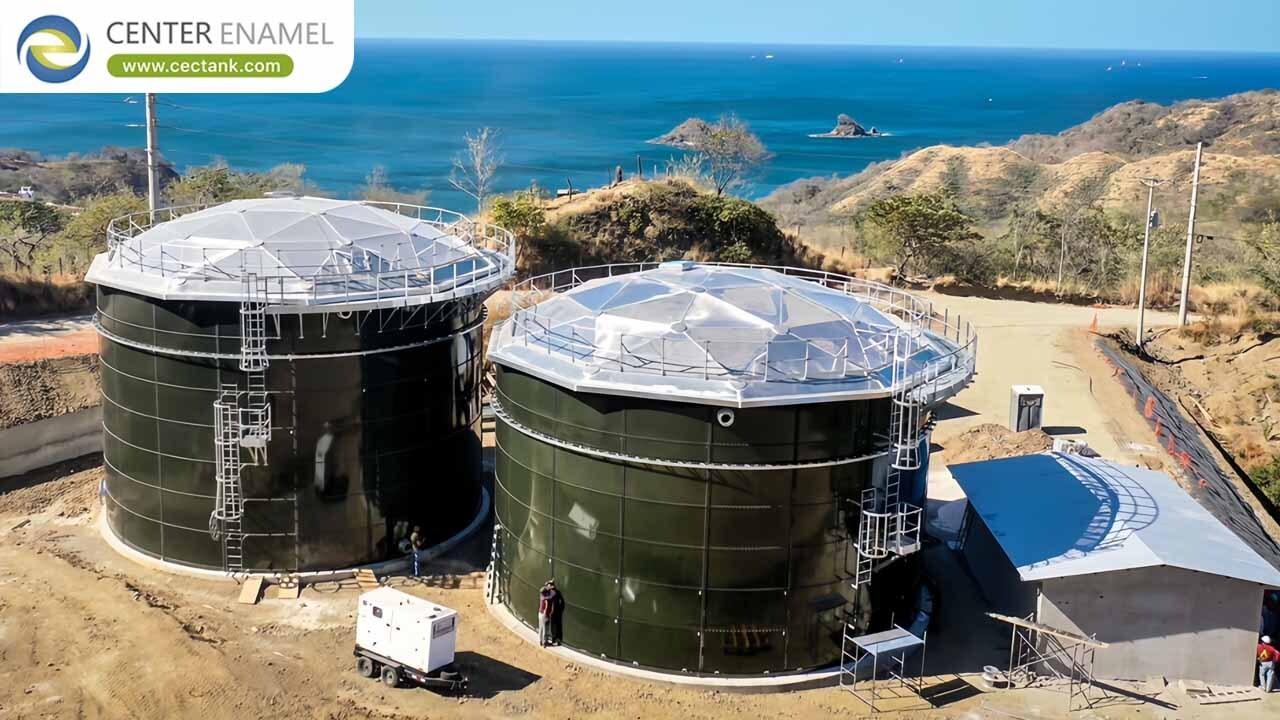
Tanques de Armazenamento de Água de Aço Revestidos com Vidro Parafusados: Engenharia Escalável para Cada Aplicação (20m³ a 60.000m³)
No cenário da infraestrutura industrial e municipal moderna, a demanda por armazenamento de água é definida por dois requisitos conflitantes: a necessidade de capacidade massiva e de alto volume e a exigência de armazenamento localizado e de alta precisão. Seja na construção de um reservatório de irrigação de pequena escala com uma área de 20m³ ou de uma imensa reserva municipal de 60.000m³, Tanque de Aço Revestido com Vidro Parafusado (GFS) a tecnologia emergiu como a solução de engenharia definitiva para os desafios globais de armazenamento.
Ao fundir a resistência à tração estrutural do aço de alta qualidade com a inércia química do esmalte de porcelana (vidro) a temperaturas superiores a 800°C, os tanques GFS criam um material compósito que é ao mesmo tempo fisicamente resiliente e quimicamente impermeável.
A Versatilidade dos GFS: De 20m³ a 60.000m³
A principal vantagem da tecnologia GFS reside em sua Projeto modular parafusado. Ao contrário do concreto ou do aço soldado, limitados por variáveis construtivas no canteiro de obras e pelos tempos de cura, os sistemas GFS são pré-fabricados em um ambiente fabril controlado. Essa modularidade permite aos engenheiros dimensionar soluções de contenção de acordo com as exigências exatas do projeto.
Aplicações em Pequena Escala (20m³ – 500m³)
Para instalações comerciais, laboratórios de pesquisa e processos industriais locais, os tanques GFS oferecem:
Eficiência de Ocupação do Espaço: Configurações de pequeno diâmetro, otimizadas para terrenos industriais apertados.
Implantação Rápida: Tempos de instalação medidos em dias, não em semanas.
Higiene: Superfícies de alta pureza e não porosas, essenciais para água de processo de grau laboratorial ou farmacêutico.
Infraestrutura Municipal de Grande Escala (1.000m³ – 60.000m³)
Para redes municipais de grande escala, supressão de incêndios e tratamento de água industrial em larga escala, os benefícios estruturais dos GFS tornam-se essenciais:
Resiliência Sísmica e ao Vento: O projeto parafusado oferece um nível de flexibilidade estrutural capaz de absorver a energia sísmica, reduzindo o risco de falha catastrófica em comparação com estruturas rígidas e monolíticas de concreto.
Expansão Vertical: À medida que as necessidades hídricas municipais aumentam, a infraestrutura existente de GFS frequentemente pode ser ampliada verticalmente mediante a adição de anéis adicionais de painéis, protegendo assim o investimento inicial na fundação.
Escala Econômica: Em volumes elevados, a eliminação da manutenção recorrente (pintura, revestimento interno, selagem de fissuras) faz do GFS a opção com o menor “Custo Total de Propriedade” (TCO) do setor.
Vantagens Técnicas de Engenharia
Para profissionais de compras e engenheiros civis, o padrão “Center Enamel” da tecnologia GFS oferece vantagens operacionais distintas em relação aos sistemas de contenção tradicionais:
| Recurso | Tanques GFS Parafusados | Aço Carbono Soldado | Concreto Armado |
| Resistência à Corrosão | Superior (Inerte) | Baixo (Depende do Revestimento) | Moderado (Necessita de Revestimento) |
| Tempo de Construção | Rápido (Semanas) | Moderado (Meses) | Muito Lento (Meses/Cura) |
| Manutenção | Mínima | Alto (Recoating Regular) | Alta (Selagem de Rachaduras) |
| Vida Útil | 30–50+ Anos | 15–25 anos | 20–30 Anos |
| Conformidade Regulatória | Global (AWWA/NSF) | Local / Variável | Local / Variável |
A Garantia “Sem Feriados”
Um componente crucial da engenharia de GFS é a aplicação controlada em fábrica. Cada painel passa por rigorosos testes eletrônicos (teste de “falhas” a 1500V) para garantir que não exista nem mesmo um único microscópico orifício no revestimento de vidro. Esse nível de controle de qualidade simplesmente não é possível de alcançar com revestimentos aplicados no local.
Aplicações em Diversos Setores Críticos
O sistema GFS é fundamentalmente versátil, servindo como base para quatro importantes pilares industriais:
Água Potável e Bebida: Certificado NSF/ANSI 61, assegurando que a água permaneça livre de lixiviação metálica, crescimento bacteriano e acúmulo de biofilme.
Sistemas de Proteção Contra Incêndios: Projetados conforme as normas NFPA 22, esses tanques fornecem um abastecimento de água à prova de falhas e livre de corrosão para sistemas de sprinklers industriais e comerciais.
Tratamento de Efluentes Industriais: Altamente resistentes a produtos químicos agressivos, lixiviados de baixo pH e sulfeto de hidrogênio, tornando-os o padrão da indústria para o gerenciamento de efluentes.
Digestão Anaeróbia (Biogás): A superfície inerte do vidro evita o acúmulo de lodo e resiste aos gases altamente corrosivos produzidos durante a degradação biológica.
Perguntas Frequentes (FAQ)
Pergunta: Os tanques GFS conseguem resistir a condições climáticas extremas?
R: Sim. Os tanques GFS são projetados utilizando Análise por Elementos Finitos (FEA) para garantir que suportem zonas sísmicas específicas do local, cargas de vento de alta velocidade e elevadas cargas de neve. As juntas parafusadas proporcionam um grau de flexibilidade estrutural que as estruturas rígidas não possuem.
P: É possível realocar um tanque GFS?
R: Sim. Como o tanque é uma montagem parafusada, e não uma estrutura soldada ou moldada in loco, ele pode ser desmontado, transportado e reinstalado em um novo local, protegendo seu investimento de capital a longo prazo.
P: Como se compara o custo em relação aos materiais tradicionais?
R: Embora o investimento inicial de capital (CAPEX) para um tanque GFS possa ser maior do que o de aço pintado no campo de baixa qualidade, o Custo Total de Propriedade (TCO) é significativamente menor. Ao eliminar os onerosos ciclos de manutenção — como jateamento e repintura interna —, os tanques GFS se pagam já na primeira década de operação.
Parceria para sua Infraestrutura Hídrica
Na Esmalte central, Orgulhamo-nos de ser líder global em soluções de armazenamento GFS. Com mais de 30 anos de excelência na fabricação, apoiamos projetos desde o cálculo sísmico inicial e o projeto do local até a comissionamento final e a supervisão da instalação.
Pronto para garantir a sua infraestrutura de armazenamento de água? Entre em contato hoje mesmo com nossa equipe de engenharia para discutir suas necessidades de capacidade, normas regionais de conformidade e requisitos específicos do local.