
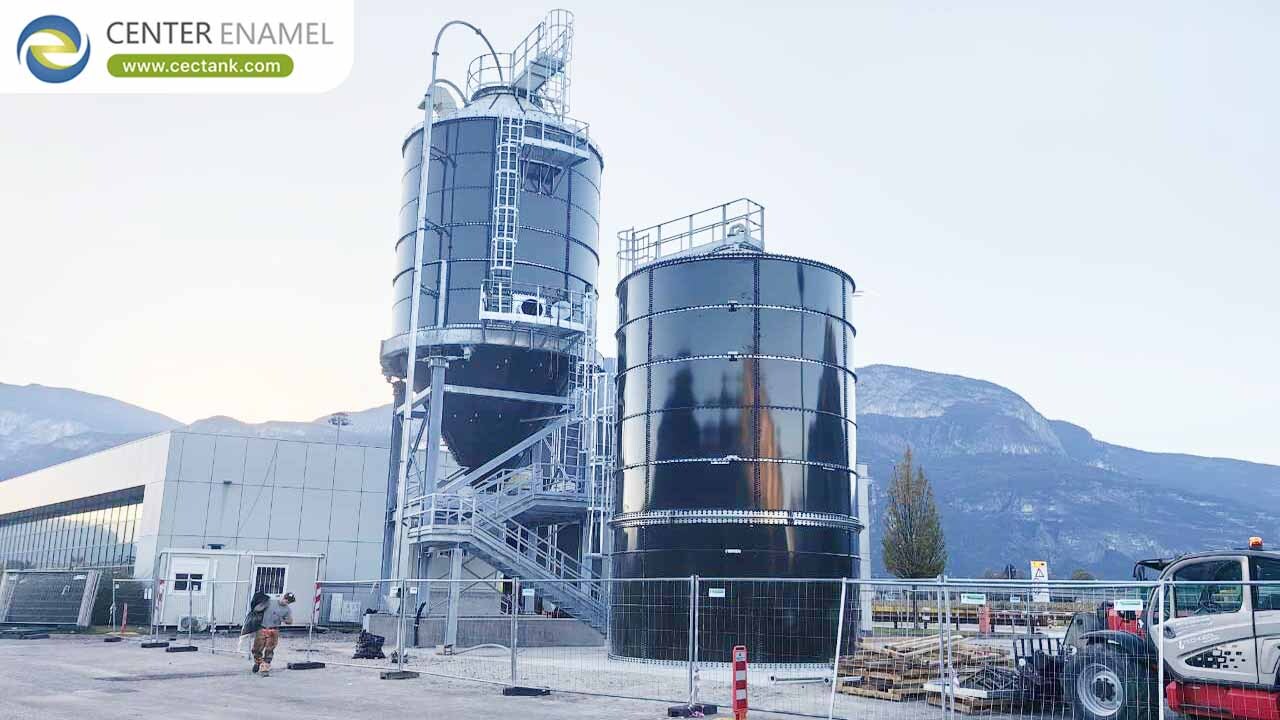
Tanques de Armazenamento de Efluentes em Aço Parafusado: Soluções de Alto Desempenho para Projetos de Tratamento
No complexo cenário da gestão de águas residuais, a escolha da infraestrutura de armazenamento influencia diretamente a viabilidade do projeto, os custos operacionais (OpEx) e a conformidade regulatória. Municípios e gestores de instalações industriais têm cada vez mais abandonado os tradicionais tanques de concreto moldados no local e de aço soldados em campo, optando por tanques de armazenamento de águas residuais de aço parafusados.
Projetados para durabilidade e implantação rápida, esses sistemas modulares oferecem uma solução avançada de contenção capaz de tratar efluentes agressivos, esgotos e águas residuais industriais com manutenção mínima.
A Engenharia Por Trás dos Tanques de Esgoto Parafusados
Os ambientes de águas residuais são quimicamente agressivos. Para garantir a integridade estrutural, os modernos tanques parafusados utilizam chapas de aço de alta resistência revestidas com tecnologias avançadas de proteção—principalmente Vidro-Fundido ao Aço (GFS) e Epóxi Ligado por Fusão (FBE).
Por que esses materiais prevalecem:
Fusão Térmica (GFS): O processo de aplicação de esmalte à base de vidro sobre as chapas de aço em altas temperaturas (820°C–930°C) cria uma barreira inerte e não porosa. Essa barreira é imune à corrosão ácida causada pelo sulfeto de hidrogênio (H₂S) e por outros produtos químicos agressivos tipicamente encontrados em digestores anaeróbios e reservatórios de esgoto.
Controle de Qualidade de Fábrica: Ao contrário dos tanques soldados em campo, onde os revestimentos são aplicados no local sob condições climáticas variáveis, os painéis dos tanques parafusados são fabricados em fábricas certificadas ISO e climatizadas. Cada painel passa por testes de “falhas” de alta tensão para assegurar a ausência total de defeitos no revestimento antes de serem enviados ao canteiro de obras.
Vantagens Estratégicas para Instalações de Tratamento
A transição para infraestruturas de aço parafusadas oferece três vantagens específicas que reduzem o Custo Total de Propriedade (TCO) dos projetos de tratamento de águas residuais.
- Construção rápida (empuxo top-down)
No setor da construção, tempo é dinheiro. Os tanques de aço parafusados utilizam um sistema de empuxo hidráulico top-down, permitindo que todo o tanque seja montado ao nível do solo.
Sem andaimes em alturas elevadas: Aumenta a segurança no canteiro de obras e reduz a responsabilidade legal.
Independência das Condições Climáticas: A construção não é interrompida pela chuva ou pela umidade, ao contrário do processo de concretagem ou pintura no local.
Prazos Comprimidos: Os tempos de instalação costumam ser 60% mais rápidos do que as alternativas tradicionais de concreto.
- Modularidade e escalabilidade
As taxas de fluxo de águas residuais mudam à medida que as populações crescem ou o volume de produção industrial aumenta. Os tanques parafusados são intrinsecamente modulares; se suas necessidades de capacidade aumentarem, muitas vezes é possível acrescentar anéis adicionais aos tanques existentes, oferecendo uma solução sustentável para a expansão da infraestrutura, algo impossível com projetos soldados ou de concreto.
- Manutenção Previsível
Os tanques de concreto tendem a apresentar microfissuras e descamação das barras de reforço. Já os tanques de aço parafusados, especialmente os modelos GFS, proporcionam uma superfície lisa e dura como vidro, resistente ao acúmulo de biofilme e exigindo manutenção mínima durante uma vida útil superior a 30 anos.
Matriz Comparativa: Infraestrutura de Armazenamento
| Recurso | Tanques de Aço Parafusados | Concreto Fundido | Aço Soldado em Campo |
| Resistência à Corrosão | Alto (Inerte/Vidro) | Baixo (Requer Vedação) | Moderado (requer ânodos) |
| Tempo de Construção | Rápido (Semanas) | Lento (Meses) | Lento (Meses) |
| Potencial de Expansão | Alto (Modular) | Nenhuma | Nenhuma |
| Segurança no Local | Alto (Nível do solo) | Baixo (Riscos de Altura) | Moderado |
| Porosidade da Superfície | Zero | Alto | Baixa |
Atendendo aos Padrões Globais de Engenharia
Uma infraestrutura confiável de tratamento de águas residuais deve atender a rigorosos padrões internacionais para garantir a proteção ambiental e a segurança operacional. Os tanques de aço parafusados da Center Enamel foram projetados para cumprir:
AWWA D103-19: O padrão-ouro no projeto de tanques de aço parafusados, abrangendo requisitos de carga hidrostática e sísmica.
ISO 28765: Estabelece os requisitos de qualidade e durabilidade para revestimentos de esmalte vítreo (vidro).
NSF/ANSI 61: Garante a segurança dos materiais em contato com a água, frequentemente exigida para aplicações de tratamento secundário ou recuperação de água.
Perguntas Frequentes (FAQ)
Pergunta: Os tanques de aço parafusados são adequados para digestão anaeróbica?
R: Sim. Os tanques parafusados revestidos com GFS são ideais para digestores anaeróbicos, pois o revestimento de vidro é completamente resistente ao ambiente ácido gerado pelo sulfeto de hidrogênio (H₂S) e pelos ácidos graxos voláteis (AGV).
Pergunta: Como as juntas são vedadas para evitar vazamentos?
R: Os tanques parafusados utilizam selantes elastoméricos de alta qualidade, seguros para alimentos e resistentes a produtos químicos. Esses selantes são testados especificamente quanto à estanqueidade sob pressão e projetados para manter sua integridade mesmo diante da expansão e contração térmicas.
P: Esses tanques conseguem lidar com águas residuais industriais de alta carga química?
R: Sim. Dependendo do perfil químico, oferecemos formulações específicas de revestimento (GFS ou FBE) para suportar faixas de pH de 1 a 14. Realizamos uma análise de compatibilidade com base no relatório do seu efluente, garantindo a especificação correta do material.
Parceria com a Center Enamel
Com mais de 30 anos de experiência e milhares de instalações em todo o mundo, a Center Enamel oferece a segurança de engenharia necessária para projetos de águas residuais municipais e industriais. Desde o cálculo de cargas sísmicas até o projeto personalizado de bicos, nossa equipe garante que sua infraestrutura de armazenamento seja construída pensando no futuro.
Pronto para iniciar seu projeto de tratamento de águas residuais? Entre em contato conosco hoje mesmo para uma consulta técnica ou um orçamento preliminar.