
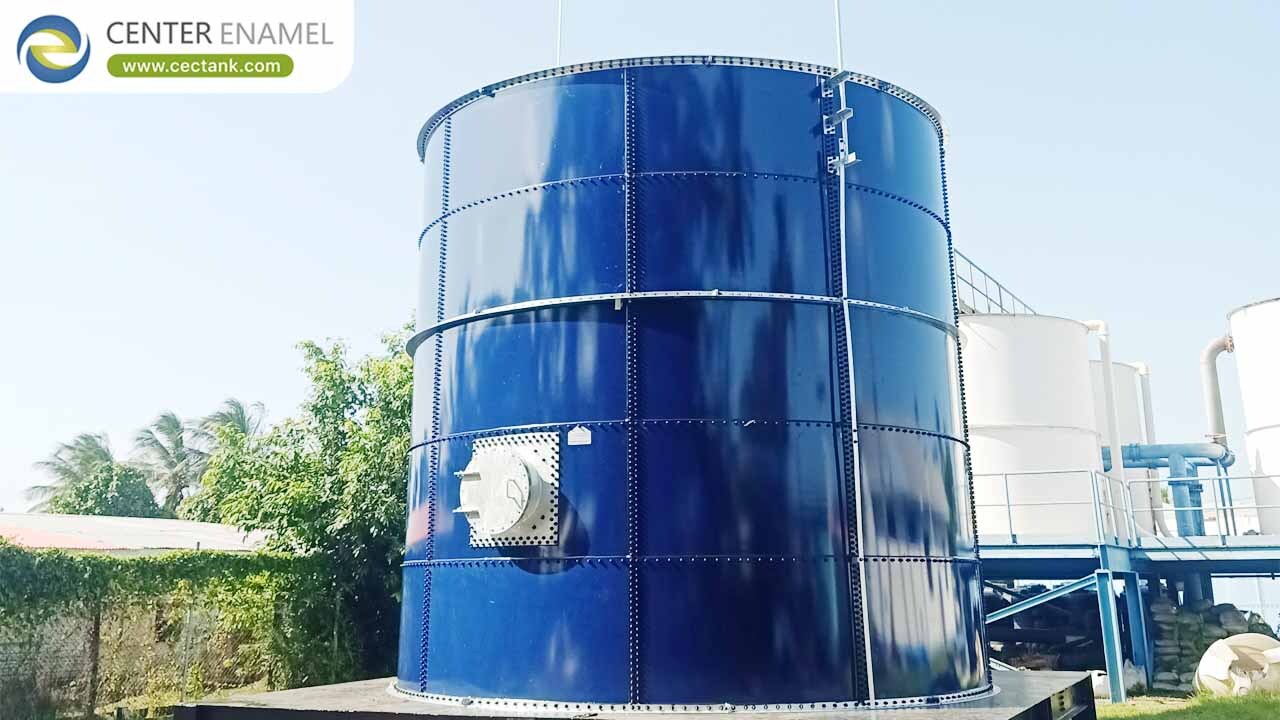
Tanques Parafusados de Aço Revestidos com Epóxi para Tratamento de Efluentes: Componentes de Sistema Modular
Nas estações municipais de tratamento de águas residuais, nas instalações de efluentes industriais e nos complexos de gestão de lixiviados, as infraestruturas de contenção operam sob severas condições de estresse químico e biológico. As bacias de tratamento de águas residuais — que vão desde tanques de equalização e bacias de aeração até digestores anaeróbios e clarificadores secundários — precisam suportar exposições químicas agressivas, flutuações de pressão hidráulica e imersão contínua em umidade. Bacias tradicionais de concreto moldado no local e tanques de aço carbono soldados em campo frequentemente enfrentam dificuldades nesses ambientes, sofrendo com a carbonatação do concreto, microfissuras estruturais e rápida degradação do revestimento interno.
Para alcançar resistência superior à corrosão, adaptabilidade estrutural e implantação rápida, a engenharia ambiental moderna baseia-se em Tanques Parafusados de Aço Revestidos com Epóxi. Como pioneira global na fabricação avançada de sistemas de contenção, Shijiazhuang Zhengzhong Technology Co., Ltd. (Esmalte Central) fornece soluções modulares de tanques de classe mundial, projetadas especificamente para otimizar os fluxos de trabalho no tratamento de águas residuais.
Componentes Principais do Sistema Modular dos Tanques de Aço Parafusados
Os tanques modulares revestidos com epóxi da Center Enamel são projetados como um sistema estrutural totalmente integrado, em que cada componente desempenha um papel essencial para garantir a integridade hidráulica e a durabilidade a longo prazo:
Painéis de Aço Estrutural de Alta Resistência: Placas de aço carbono perfuradas e laminadas com precisão formam as paredes principais de suporte de carga. Cada painel é projetado utilizando análise avançada por Elementos Finitos (FEA) para gerenciar diferentes pressões hidrostáticas ao longo das distintas alturas do tanque.
Revestimento de Epóxi Fundido por Fusão (FBE) Aplicado em Fábrica: Ao contrário das pinturas aplicadas em campo, que são vulneráveis às intempéries e a erros de aplicação, os revestimentos epóxi da Center Enamel são aplicados em condições rigorosamente controladas de fábrica e curados termicamente, criando uma barreira densa e livre de poros tanto na superfície interna quanto na externa dos painéis.
Sistemas de Junta e Vedação Projetados: Elastômeros industriais especializados (como EPDM ou selantes de silicone) são posicionados entre os flanges sobrepostos dos painéis durante a montagem, assegurando uma vedação hermética e à prova de vazamentos, isolando o núcleo de aço do contato com as águas residuais.
Hardware de Fixação de Alta Resistência à Tração: Parafusos galvanizados a quente ou de aço inoxidável, de grau 8.8 ou superior, unem as placas modulares, exercendo pressão uniforme ao longo das juntas chanfradas para resistir a atividades sísmicas e aos esforços do vento.
Estruturas de Cobertura e Acessórios de Acesso: Dependendo das exigências do processo, os tanques são equipados com cúpulas geodésicas de alumínio, tampas planas de aço, escadas de acesso seguras e compatíveis com a OSHA, escotilhas de inspeção e conexões de bocal flangeadas para integração de tubulações.
Superioridade Técnica da Proteção por Epóxi Fundido (FBE)
O revestimento interno e externo é o principal mecanismo de defesa nas aplicações de tratamento de águas residuais. Os sistemas de epóxi aplicados em fábrica da Center Enamel oferecem vantagens claras de desempenho em comparação aos revestimentos tradicionais:
Adesão e Flexibilidade Excepcionais: O processo de cura térmica liga molecularmente o epóxi ao substrato de aço preparado, proporcionando alta resistência ao impacto e flexibilidade para acomodar a expansão térmica sem rachaduras ou descamação.
Ampla Resistência Química: A barreira inerte de epóxi resiste a um amplo espectro de constituintes de águas residuais municipais e industriais, incluindo ácidos leves, álcalis, gorduras, óleos, graxas e lodo biológico.
Escalabilidade Modular: Como a estrutura é parafusada em vez de soldada, os operadores da instalação podem facilmente desmontar, realocar ou ampliar o volume do tanque à medida que as necessidades de capacidade de tratamento da planta aumentam ao longo do tempo.
Matriz Comparativa: Tecnologias de Tanques para Tratamento de Águas Residuais
| Métrica de Avaliação | Tanque Parafusado com Esmalte Epóxi no Centro | Bacia de Concreto Moldada no Local | Tanque Tradicional de Aço Soldado |
| Corrosão e Defesa Química | Alta (Barreira FBE aplicada em fábrica resiste a produtos químicos e à umidade presentes nas águas residuais) | Moderado (Vulnerável à carbonatação do concreto, ao ataque por sulfatos e à esfoliação causada por ácidos) | Baixa (Depende de revestimentos de epóxi aplicados no campo, que rapidamente apresentam pites e bolhas) |
| Velocidade de Construção | Rápida (Painéis modulares pré-fabricados são rapidamente parafusados no local, sem atrasos na cura) | Muito Lento (Meses de escoramento, concretagem e semanas de cura) | Moderada (Requer soldagem pesada no campo, laminação de chapas e testes radiográficos) |
| Modularidade e Expansão | Alta (O design modular permite fácil expansão de volume ou realocação) | Nenhum (Estrutura civil permanente e imóvel) | Limitado (corte destrutivo necessário para modificar ou desmontar) |
| Manutenção ao Longo do Ciclo de Vida | Mínimo (durabilidade de longo prazo com inspeção fácil e baixa manutenção) | Alto (Requer selagem frequente de trincas estruturais e reparos impermeáveis) | Alto (Custo contínuo de manutenção para prevenir passagem de ferrugem e vazamentos) |
Garantia de Engenharia: Todos os tanques de aço parafusados revestidos com epóxi projetados pela Center Enamel cumprem rigorosamente as normas internacionais de projeto e qualidade, incluindo AWWA D103-09, ISO 9001, e ISO 28765, respaldados por protocolos rigorosos de qualidade, como testes de falhas elétricas sob alta tensão antes do envio.
Perguntas Frequentes (FAQ)
P: Por que os tanques de aço parafusados revestidos com epóxi são preferidos para estações de tratamento de águas residuais?
R: Os tanques de aço parafusados revestidos com epóxi oferecem montagem rápida no local, qualidade de revestimento controlada em fábrica, resistente aos produtos químicos agressivos das águas residuais, escalabilidade modular para futuras expansões da planta e ausência dos problemas de fissuração do concreto e vazamentos de água frequentemente encontrados em bacias civis.
P: Como o revestimento de epóxi aplicado em fábrica (FBE) difere dos revestimentos de tanques aplicados no campo?
R: Os revestimentos FBE aplicados em fábrica são aplicados em condições ambientais estritamente controladas e curados termicamente para alcançar máxima aderência molecular, espessura uniforme e dureza superior, evitando os orifícios, bolhas e falhas de adesão comuns às pinturas aplicadas no campo.
P: Os tanques modulares para águas residuais da Center Enamel podem ser personalizados para taxas específicas de fluxo e áreas ocupadas pela planta?
R: Sim. A Center Enamel utiliza engenharia modular avançada e Análise de Elementos Finitos (FEA) para projetar customizado a altura, diâmetro, capacidade e configurações de bocais dos tanques, adequando-os exatamente às dimensões do espaço disponível e aos requisitos hidráulicos do tratamento.
P: Quanto tempo leva para instalar um tanque de aço parafusado revestido com epóxi no local?
R: Como todos os painéis estruturais e componentes modulares são pré-fabricados sob rigorosas condições fabris, a montagem no local, realizada por meio de fixação mecânica, é concluída em uma fração do tempo necessário para a construção e cura de reservatórios de concreto, acelerando significativamente os prazos de comissionamento do projeto.