
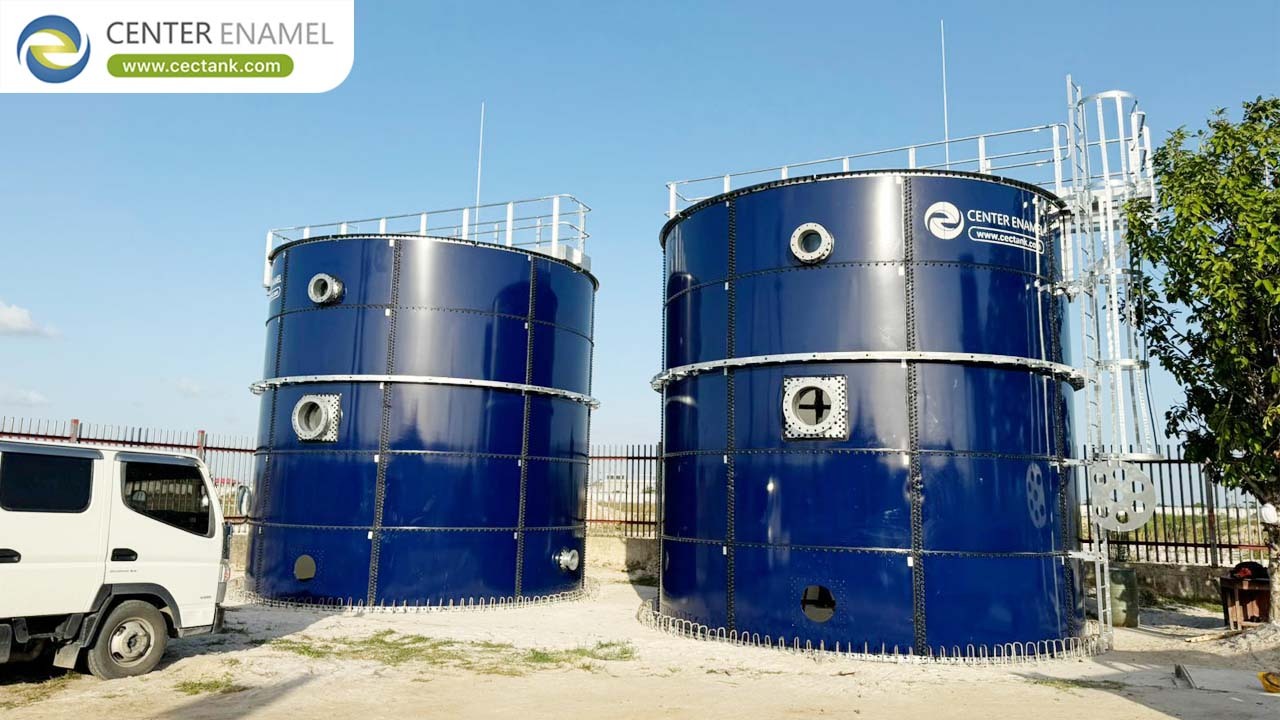
Tanques GLS: A Solução Definitiva para Proteger a Água Potável com Precisão e Confiabilidade
O acesso à água potável limpa, segura e confiável é o requisito mais fundamental da infraestrutura moderna. No entanto, o tanque de armazenamento de água costuma ser o componente “oculto” da rede de distribuição. Se o material do tanque for comprometido, a qualidade da água pode se deteriorar, levando à contaminação, ao crescimento de biofilmes e a custos elevados de manutenção.
Tanques de Aço Revestidos com Vidro (GLS)—também frequentemente chamados de Vidro-Fundido ao Aço (GFS)—tornaram-se o padrão-ouro para o armazenamento de água potável municipal e industrial. Ao fundir vidro de silicato ao aço de alta resistência, essa tecnologia proporciona uma barreira impermeável, higiênica e duradoura, garantindo a pureza da água desde a fonte até a torneira.
O que é a Tecnologia GLS?
A fabricação de tanques GLS envolve um rigoroso processo de engenharia de precisão. Um frit de vidro de silicato especialmente formulado é aplicado em ambos os lados de placas de aço de alta resistência e cozido em um forno de alta temperatura, a temperaturas superiores a 820°C.
Esse processo cria uma ligação molecular e inorgânica, quimicamente inerte. Ao contrário das pinturas ou revestimentos epóxi tradicionais, que permanecem na superfície e tendem a se degradar, a camada de vidro torna-se parte integrante do painel de aço. Isso resulta em um material compósito que oferece a resistência estrutural do aço aliada à resistência química e à higiene do vidro.
Por que o GLS é a escolha superior para água potável
Quando segurança e longevidade são prioridades, os tanques GLS superam alternativas tradicionais, como concreto moldado in loco ou aço carbono soldado, em diversos aspectos cruciais:
- Higiene e Segurança da Água Inigualáveis
A água potável exige um ambiente de armazenamento que iniba o crescimento bacteriano. A superfície de um tanque GLS é excepcionalmente lisa e não porosa. Ela não favorece a formação de biofilmes nem de algas, facilitando a desinfecção e a manutenção. Por isso, os tanques GLS estão amplamente em conformidade com rigorosas normas internacionais de segurança da água, tais como NSF/ANSI 61.
- Resistência à Corrosão para Toda a Vida
A química da água — especialmente quando há presença de cloro ou outros desinfetantes — pode ser altamente agressiva para o aço convencional. A camada de vidro fundido é completamente inerte, o que significa que não enferruja, não libera substâncias químicas nem se degrada com o tempo. Isso evita os problemas de “água vermelha” frequentemente associados à infraestrutura de aço envelhecida.
- Precisão Controlada em Fábrica
Ao contrário dos tanques de concreto moldado in loco, que ficam sujeitos a variáveis ambientais durante a construção (como chuva ou variações de temperatura), os painéis dos tanques GLS são fabricados em um ambiente fabril controlado. Isso garante que cada painel atenda a rigorosos padrões de qualidade antes mesmo de chegar ao seu canteiro de obras, resultando em uma estrutura mais confiável e à prova de vazamentos.
Análise Comparativa: Tecnologias de Armazenamento
Para entender por que os gestores de instalações estão migrando para o GLS, é útil analisar os indicadores mais importantes para a gestão municipal de água a longo prazo:
| Recurso | Aço Revestido com Vidro (GLS) | Concreto Fundido | Aço Carbono Soldado |
| Perfil higiênico | Excelente (Não Poroso) | Baixo (Poroso/Rachaduras) | Moderado |
| Resistência à Corrosão | Superior (Vidro Inerte) | Baixo (Requer Vedação) | Baixo (Necessita de Repintura) |
| Manutenção | Mínima | Alta (Reparo de Rachaduras) | Alto (Pintura/Revestimento) |
| Velocidade de Construção | Rápida (Modular) | Lenta (Semanas/Meses) | Moderado |
| Ciclo de Vida | Mais de 30 Anos | 20–30 Anos | 15–20 anos |
Perguntas Frequentes (FAQ)
Pergunta: O revestimento de vidro no interior do tanque é frágil ou quebradiço?
R: Não. Embora seja chamado de “vidro”, trata-se de um esmalte de grau industrial fundido ao aço. Foi especialmente projetado para ser resistente, abrasivo e capaz de suportar as pressões internas de um tanque totalmente cheio sem rachar.
P: Os tanques GLS são adequados para armazenar água potável?
R: Sim. Os tanques GLS são uma das principais opções para o armazenamento de água potável em todo o mundo. Os materiais utilizados são de grau alimentício e certificados conforme as normas sanitárias, garantindo que nenhuma substância nociva seja liberada para a rede de abastecimento de água.
P: Como vocês lidam com a construção caso o tanque precise ser ampliado no futuro?
R: Como os tanques GLS são montados por parafusos e modulares, possuem alta escalabilidade. Se a demanda por água do seu município aumentar, é possível acrescentar anéis adicionais ao tanque já existente, o que representa uma vantagem significativa em comparação a estruturas rígidas de concreto ou soldadas.
P: O tanque requer procedimentos especiais de limpeza?
R: Devido à superfície extremamente lisa e antiaderente, a limpeza é muito mais fácil do que com concreto ou aço convencional. Em geral, apenas a lavagem periódica e os protocolos padrão da indústria de tratamento de água são suficientes.
Parceria com a Center Enamel
A Center Enamel é líder global em soluções de armazenamento GLS/GFS, tendo implementado com sucesso infraestruturas em mais de 100 países. Fazemos a ponte entre a manufatura avançada e as necessidades locais de engenharia, oferecendo um serviço completo que inclui projeto, fabricação e suporte à instalação.
Pronto para modernizar sua infraestrutura de armazenamento de água potável? Entre em contato hoje mesmo com nossa equipe de engenharia para discutir as especificações do seu projeto e receber uma proposta técnica.