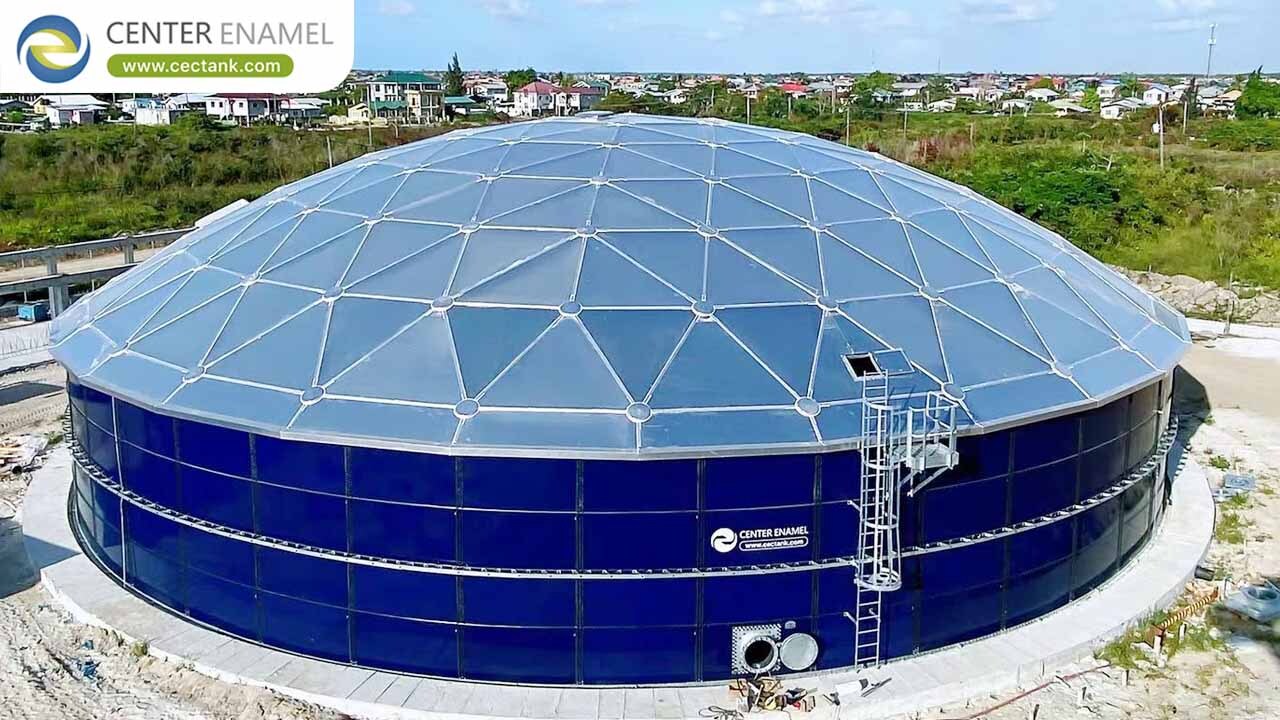
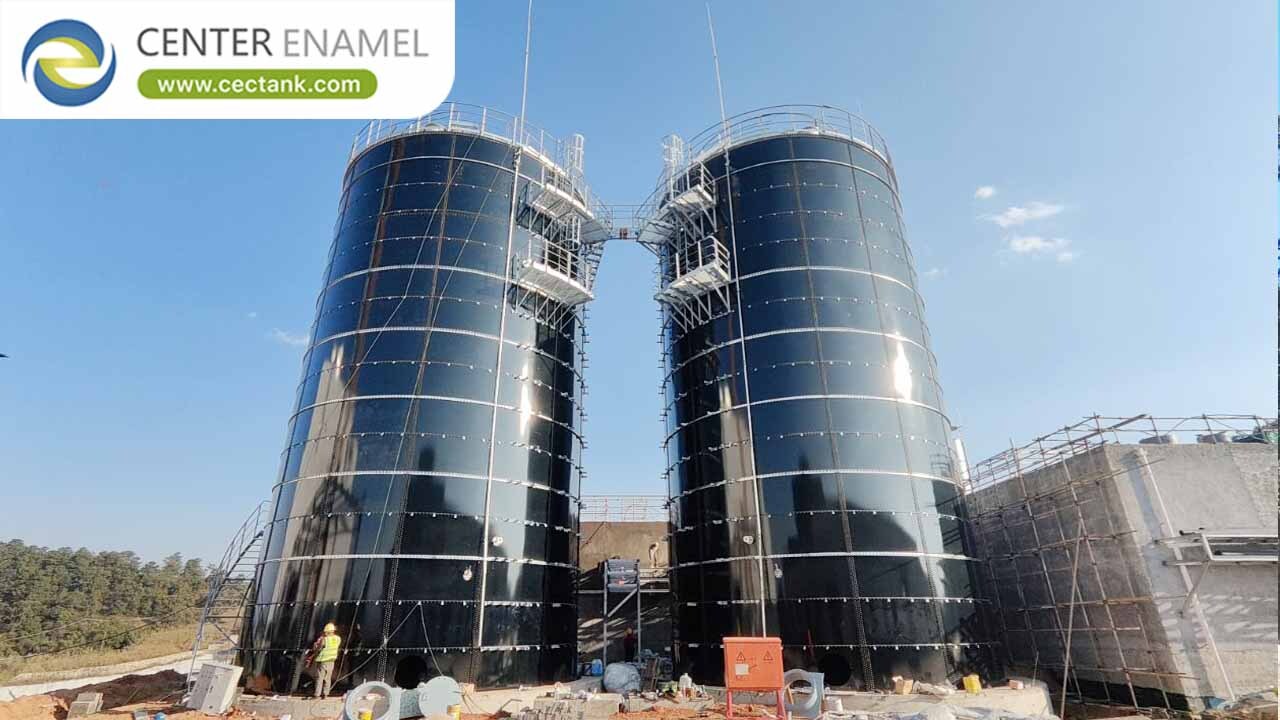
O Plano de Engenharia: Tanques Verticais de Aço Revestidos com Vidro (GLS) para Armazenamento de Água Potável Municipal
Resposta direta: Tanques industriais verticais revestidos de vidro (GLS) — também conhecidos como Vidro-Fundido ao Aço (GFS) — representam o padrão de engenharia premium para o armazenamento de água potável em grande escala, tanto municipal quanto industrial. Ao unir a resistência estrutural do aço carbono de alta resistência à tração com a absoluta inércia química de um revestimento vítreo, os tanques verticais GLS garantem zero contaminação da água, instalação modular rápida e uma Vida útil operacional livre de manutenção superior a 30 anos. Totalmente compatíveis com normas globais de saúde pública, tais como NSF/ANSI 61 e WRAS, esses sistemas verticais de contenção minimizam a pegada física enquanto maximizam a estabilidade estrutural frente a cargas sísmicas e de vento.
1. Por que a Tecnologia Vertical GLS domina o armazenamento de água potável
Armazenar água potável exige um sistema de contenção que impeça ativamente o crescimento biológico, a lixiviação química e a degradação estrutural. As opções tradicionais de concreto e soldadas no campo têm cada vez mais falhado em atender aos modernos critérios de eficiência de custos e pureza da água.
A Física da Fusão entre Vidro e Aço
Em um ambiente fabril controlado, painéis de aço bruto são jateados e revestidos com uma pasta de esmalte de vidro inorgânico. Em seguida, os painéis são submetidos a um forno de alta tecnologia, a temperaturas que variam entre 800°C a 950°C. Esse intenso processo térmico provoca uma fusão física e química, formando uma ligação molecular indissolúvel.
- O Resultado:Um revestimento vítreo de alta densidade que combina a flexibilidade e a resistência estrutural do aço com a excepcional resistência à corrosão e a arranhões do vidro.
Otimização do Espaço Ocupado na Vertical
Em áreas urbanas e industriais, o terreno é extremamente valioso. Os tanques verticais de aço para armazenamento de líquidos maximizam a capacidade volumétrica por metro quadrado de área disponível. Ao projetar configurações mais altas utilizando diferentes espessuras de chapas de aço (painéis mais espessos na base, onde ocorre maior pressão, e mais finos no topo), os engenheiros conseguem ampliar os volumes de armazenamento de forma segura, sem aumentar a área ocupada pela fundação.
2. Comparação Técnica: Materiais para Tanques de Água Potável
A escolha de um reservatório de água potável requer um cuidadoso equilíbrio entre os investimentos iniciais (CAPEX) e os custos operacionais de longo prazo (OPEX).
| Métrica de engenharia | Tanques GLS / GFS Acabados de Fábrica | Aço Carbono Soldado em Campo | Concreto Vertido no Local |
| Proteção da Qualidade da Água | Elite. O vidro não poroso evita a adesão bacteriana e o acúmulo de incrustações. | Risco de Contaminação. Revestimentos epóxi internos podem se degradar ou liberar substâncias ao longo do tempo. | Superfície Porosa. Vulnerável a microfissuras, lixiviação de cal e crescimento microbiano. |
| Janela de Instalação no Local | Dias a Semanas. Montado de cima para baixo utilizando macacos mecânicos sincronizados. | Semanas a Meses. Exige soldagem pesada no local, inspeção por raio-X e pintura no campo. | Meses. Requer cofragem extensa, concretagem contínua e longos ciclos de cura. |
| Defesa contra Corrosão | Barreira Inorgânica. Imune à corrosão atmosférica e a produtos químicos sanitizantes (cloro). | Barreira Sacrificial. Exige jateamento completo e re-revestimento a cada 10–15 anos. | Vulnerabilidade Química. Susceptível ao enfraquecimento estrutural causado por ácidos presentes nas águas subterrâneas. |
| Longevidade Estrutural | 30 a mais de 40 anos. Degradation física ou química mínima ao longo de décadas. | 15 a 25 anos. Vida útil altamente dependente de ciclos agressivos de manutenção. | Variável. Propenso a fissuras estruturais em regiões com alta atividade sísmica. |
3. Simulador Interativo de Dimensionamento Volumétrico e Suporte à População
Ao projetar infraestruturas municipais de abastecimento de água, os engenheiros devem equilibrar as taxas diárias de consumo per capita, as reservas para proteção contra incêndios e as demandas máximas horárias para calcular a geometria ideal do tanque vertical.
Utilize a ferramenta de engenharia interativa abaixo para simular as dimensões físicas e o perfil estrutural da base necessários para um tanque vertical de água potável GLS, com base nas métricas populacionais desejadas.
4. Estrita Conformidade com Normas Globais de Água Potável
Para concessionárias públicas e empreiteiras de engenharia, aquisição e construção (EPC), a matriz de certificação de um tanque é sua licença para operar. Tanques verticais GLS de primeira linha são fabricados para atender aos mais rigorosos padrões internacionais:
- NSF/ANSI 61:O padrão sanitário norte-americano definitivo para componentes de sistemas de água. Esta certificação garante que nenhum produto químico tóxico, metal pesado ou composto orgânico volátil (COV) seja liberado do revestimento de vidro ou dos selantes elastoméricos para a água potável.
- WRAS (Esquema de Aprovação dos Regulamentos de Água):Obrigatório no Reino Unido e amplamente respeitado mundialmente, confirma que os materiais do tanque não causam desperdício, uso indevido, consumo excessivo ou contaminação do abastecimento de água.
- AWWA D103-09:A norma da American Water Works Association que determina o projeto estrutural de tanques de aço parafusados revestidos em fábrica, exigindo cálculos precisos para cisalhamento do vento, cargas de neve e fatores de segurança em zonas sísmicas.
- ISO 28765:A norma internacional que regula os revestimentos de esmalte vítreo, exigindo teste de falhas de alta tensão 100% (a 1500V) em todos os painéis, garantindo a ausência de defeitos microscópicos ou descontinuidades na camada protetora de vidro.
5. Perguntas Frequentes (FAQ)
Os tanques GLS são adequados para armazenar água tratada com cloro ou ozônio?
Sim. O revestimento de esmalte vítreo de um tanque GLS é totalmente inerte e não poroso. Ao contrário dos revestimentos epóxi ou do concreto, que podem oxidar e se degradar quando expostos a desinfetantes agressivos utilizados no tratamento da água, como hipoclorito de sódio, dióxido de cloro ou ozônio, a superfície de vidro permanece completamente imune, preservando a integridade estrutural e a pureza da água.
Como o design modular parafusado evita vazamentos ao longo de uma vida útil de 30 anos?
Os painéis estruturais de um tanque vertical GLS são fixados por meio de parafusos de alta resistência à tração, galvanizados a quente e equipados com cabeças protetoras de polímero resistentes aos raios UV. As juntas são vedadas com selantes mastiques elastoméricos de alto desempenho e resistentes a produtos químicos (como compostos especializados à base de EPDM ou silicone). Quando comprimidos durante o processo de aperto dos parafusos, esses selantes formam uma barreira permanente, flexível e completamente estanque, capaz de absorver pequenas expansões e contrações térmicas sem romper-se.
Os tanques verticais de água GLS podem ser instalados em áreas sujeitas a ventos fortes ou terremotos?
Certamente. Devido à flexibilidade elástica inerente dos tanques de aço parafusados, em comparação com estruturas rígidas e frágeis de concreto, eles apresentam excelente capacidade de absorver e dissipar energia cinética durante eventos sísmicos. Além disso, são adaptados às condições específicas do local mediante a incorporação de reforços superiores robustos, anéis externos contra ventos e bases reforçadas com parafusos de ancoragem, garantindo total estabilidade em zonas de vento que excedem 150 mph.
Você está atualmente projetando um sistema municipal de abastecimento de água ou modernizando uma instalação industrial? Podemos fornecer desenhos estruturais personalizados, cálculos de carga sobre fundações e documentação completa de conformidade química, elaborados especialmente para as condições específicas do seu local.