
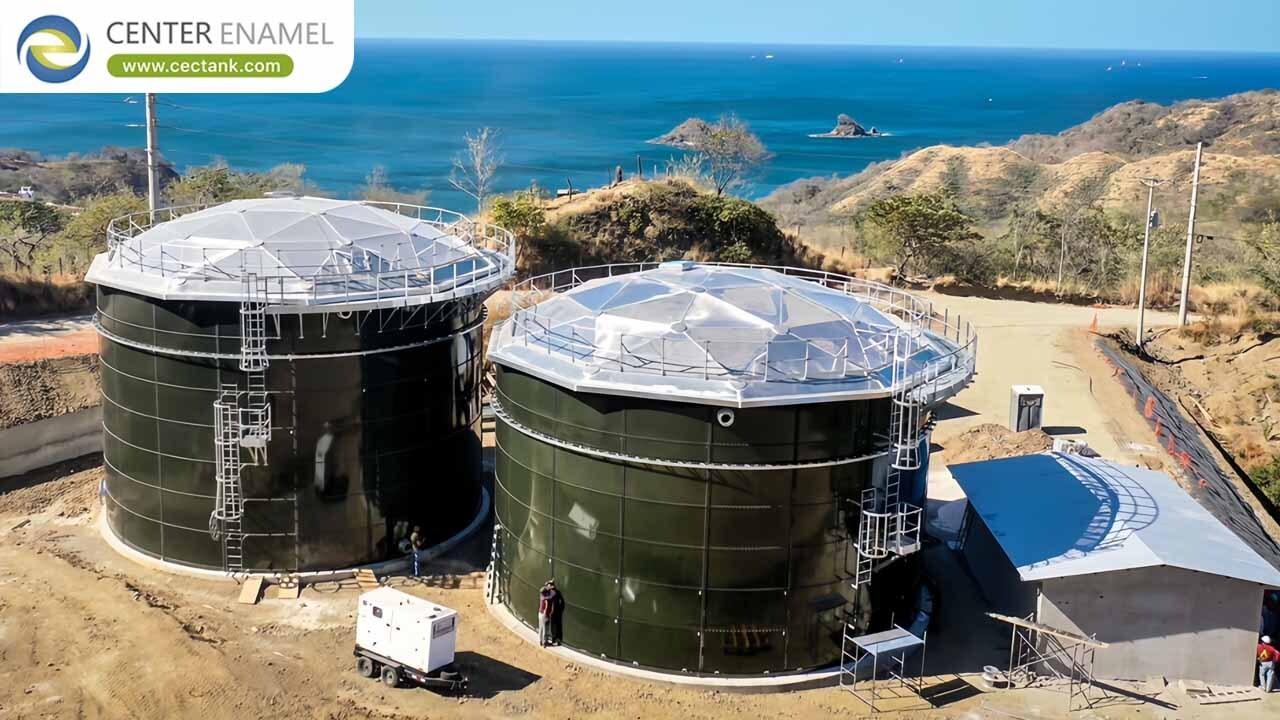
Tecnologia UASB: O Padrão de Ouro em Engenharia para Tratamento Anaeróbio de Efluentes
Uma Análise Técnica do Processamento de Efluentes de Alta Eficiência, da Recuperação de Biogás e da Escalabilidade Industrial
No esforço global para reduzir a pegada energética industrial e gerenciar águas residuais de alta carga orgânica, o Leito de Lodo Anaeróbio de Fluxo Ascendente (UASB) reator consolidou-se como a tecnologia líder na remoção eficiente de poluentes orgânicos. Ao aproveitar grânulos microbianos anaeróbios de alta densidade, os reatores UASB permitem que as indústrias tratem os efluentes, gerem energia renovável (biogás) e minimizem simultaneamente os custos de manuseio de lodo.
Este artigo explora a mecânica técnica, as vantagens de engenharia e as considerações operacionais da tecnologia UASB em modernas estações de tratamento de águas residuais (ETARs).
Parâmetros-chave do UASB
Para fins de análise de engenharia, aquisição e operação, o reator UASB é caracterizado pelas seguintes características:
- Mecanismo central:Um processo anaeróbio no qual as águas residuais fluem verticalmente através de um denso “manto” de lodo granular.
- Produção de biogás:Converte altas cargas de DQO (Demanda Química de Oxigênio) em biogás rico em metano, transformando um fluxo de resíduos em um ativo energético.
- Pegada energética:Custo operacional significativamente mais baixo em comparação com processos aeróbios (lodo ativado), pois elimina a necessidade de aeração intensiva em termos de consumo de energia.
- Ideal Para:Efluentes industriais com elevadas cargas orgânicas, incluindo cervejarias, indústrias de processamento de alimentos, destilarias e fábricas de celulose e papel.
1. Funcionamento do Reator UASB
O sucesso de um reator UASB depende da formação de Lodo granular— aglomerados densos de bactérias suficientemente pesados para permanecerem no fundo do reator, apesar do fluxo ascendente das águas residuais.
O processo em três etapas:
- Distribuição do Efluente:As águas residuais brutas são introduzidas na parte inferior do reator por meio de um sistema especializado de distribuição. Isso garante uma velocidade de fluxo uniforme em toda a seção transversal do leito.
- O Tapete de Lodo:À medida que as águas residuais sobem pelo leito de lodo, a matéria orgânica é absorvida e digerida pelas bactérias anaeróbias. Essa atividade gera biogás (metano e CO₂).
- Separação Gás-Sólido-Líquido (GSLS):Este é o coração do reator UASB. Na parte superior do tanque, um separador trifásico captura o biogás, permite a saída da água tratada e retorna os grânulos de lodo ao leito.
2. Vantagens de Engenharia da Tecnologia UASB
Para os gestores de instalações, a transição para a tecnologia UASB oferece benefícios quantificáveis alinhados aos objetivos ESG (Ambiental, Social e de Governança).
- Alta capacidade de carga:Os reatores UASB conseguem lidar com taxas de carga orgânica muito mais elevadas do que os sistemas aeróbios, permitindo uma pegada menor.
- Produção de Energia Renovável:O biogás capturado pelo GSLS pode ser purificado e utilizado para geração de energia térmica ou elétrica no local, compensando os custos operacionais.
- Produção Mínima de Lodo:As bactérias anaeróbias crescem muito mais lentamente do que as aeróbias, resultando em uma redução de 70 a 90% na produção de lodo residual. Isso diminui drasticamente os custos de desidratação e disposição do lodo.
- Simplicidade e Confiabilidade:Uma vez estabelecido o leito de lodo granular (fase de “startup”), o sistema torna-se robusto e capaz de suportar variações na qualidade do efluente.
3. Comparação: UASB vs. Processos Aeróbicos Tradicionais
| Recurso | UASB (Anaeróbio) | Lodo Ativado (Aeróbio) |
| Consumo de Energia | Muito Baixo (produtor de energia) | Alto (energia de aeração necessária) |
| Produção de Lodo | Baixa | Alto |
| Taxa de Carga Orgânica | Alto | Baixo a Moderado |
| Pegada Ambiental | Compacto | Grande |
| Saída principal | Água tratada + Biogás | Água tratada + Lodo residual |
4. Implementação Estratégica: Melhores Práticas
A implementação de um projeto UASB bem-sucedido exige engenharia de precisão, especialmente na construção dos tanques e no gerenciamento do fluxo.
- Controle da granulação:A formação de lodo granular é o fator de sucesso mais crítico. Os operadores devem manter níveis específicos de pH, temperatura e alcalinidade durante a fase de comissionamento para favorecer o desenvolvimento dos grânulos.
- Integridade do material:Como os reatores UASB possuem separadores internos complexos e operam em ambientes potencialmente corrosivos, a escolha do material do tanque é fundamental. Vidro-Fundido ao Aço (GFS) Os tanques de fibra de vidro são preferidos por sua inércia química e longevidade estrutural, evitando a corrosão que poderia comprometer a integridade do separador.
- Balanceamento hidráulico:O controle preciso do fluxo é necessário para evitar a “lavagem” do leito de lodo. O uso de sistemas automatizados de distribuição garante que a velocidade do efluente influente permaneça dentro das faixas ideais.
5. Perguntas Frequentes (FAQ)
P: A tecnologia UASB é adequada para águas residuais de baixa carga orgânica?
R: O UASB é geralmente otimizado para águas residuais de alta carga orgânica (normalmente COD > 2.000 mg/L). Para águas extremamente diluídas, sistemas aeróbicos ou processos anaeróbios alternativos podem ser mais eficientes.
P: Quanto tempo dura o período de inicialização?
R: O período de partida, durante o qual se forma o lodo granular, geralmente varia de 2 a 4 meses, dependendo da matéria-prima e da qualidade do lodo de inoculação.
P: Um reator UASB consegue lidar com fluxos industriais variáveis?
R: Sim, desde que o sistema seja projetado com um tanque de equalização a montante. O tanque de equalização atenua as flutuações no fluxo e na concentração orgânica, garantindo que o UASB receba uma alimentação constante.
Seu parceiro em tratamento avançado de águas: Center Enamel
A construção de sistemas de digestão anaeróbica de alto desempenho exige precisão estrutural absoluta e ciência dos materiais comprovada. Shijiazhuang Zhengzhong Technology Co., Ltd. (Esmalte Central) é uma autoridade global na fabricação de infraestruturas de armazenamento de alto desempenho para as indústrias de águas residuais e biogás.
Com mais de 30 anos de excelência na fabricação e quase 200 patentes proprietáriasoferecemos soluções completas e projetadas para reatores UASB, incluindo:
- Tanques de Vidro-Fundido ao Aço (Esmaltados)(A casca ideal resistente à corrosão para UASB).
- Componentes Internos do Processo(Sistemas de GSLS e de distribuição).
- Projeto de Infraestrutura Turnkey.
Entregamos equipamentos de contenção projetados para absoluta segurança ambiental, conformidade com padrões internacionais e eficiência de custos operacionais a longo prazo.
Otimize sua instalação de tratamento de águas residuais com soluções UASB personalizadas e projetadas.
Você está atualmente avaliando a viabilidade de implementar a tecnologia UASB em seus efluentes industriais ou precisa de assistência para modernizar uma estação de tratamento de águas residuais existente?