
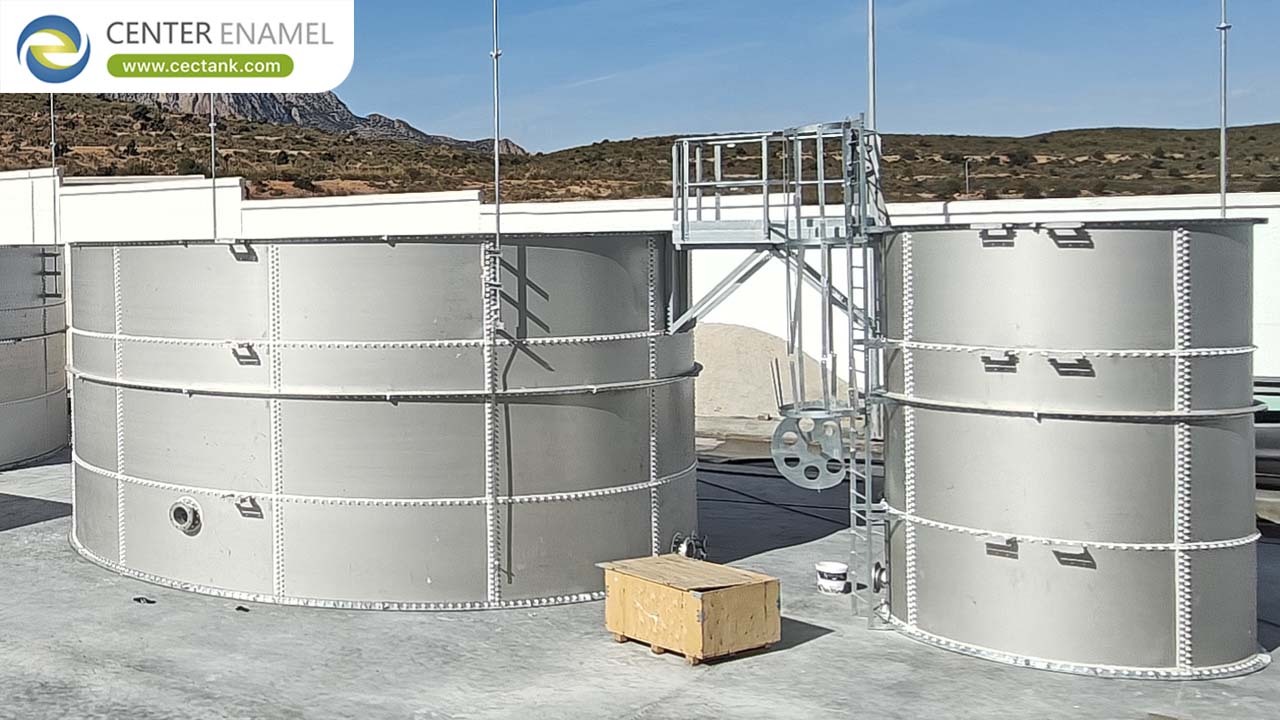
Stainless Steel Drinking Water Storage Tanks: A Reliable Solution for Clean, Safe Water
Access to clean, safe, and reliable drinking water is the cornerstone of public health, municipal infrastructure, and community development. As global water quality regulations tighten and urbanization accelerates, water utilities, commercial property developers, and industrial operators demand containment infrastructure that guarantees absolute hygienic purity, structural integrity, and zero chemical leaching. Traditional storage materials—such as concrete reservoirs, polyethylene plastic tanks, and coated carbon steel—frequently encounter performance hurdles over time, including micro-cracking, UV degradation, interior lining peeling, and bacterial biofilm accumulation.
The definitive engineering answer to these challenges is the Stainless Steel Drinking Water Storage Tank. Shijiazhuang Zhengzhong Technology Co., Ltd. (Center Enamel) leverages over three decades of advanced manufacturing expertise to engineer and supply world-class stainless steel potable water storage solutions tailored to global standards.
Why Stainless Steel is the Gold Standard for Potable Water
Stainless steel (primarily high-grade austenitic alloys such as AISI 304 and 316L) provides natural physical and chemical properties that make it the ideal medium for storing drinking water:
Self-Healing Chromium Oxide Passive Layer: Stainless steel contains a robust chromium composition that reacts with ambient oxygen to form an invisible, continuous passive film on the metal surface. If scratched or abraded, this layer instantly self-healing, eliminating rust and oxidation even under permanent water immersion.
Absolute Hygienic Purity and Non-Porous Surface: Unlike porous concrete or degrading polymers, stainless steel features an ultra-smooth, non-porous surface that inhibits bacterial colonization, algae proliferation, and biofilm accumulation. This ensures that stored drinking water remains completely fresh, odorless, and fully compliant with public health codes.
Zero Chemical Coatings Required: Because stainless steel is corrosion-resistant throughout its entire thickness, interior epoxy paints, protective linings, or chemical additives are entirely unnecessary, completely eliminating the risk of chemical leaching and taste alteration in drinking water.
Core Applications of Center Enamel’s Stainless Steel Water Tanks
Center Enamel’s modular stainless steel water storage systems support diverse municipal and commercial liquid workflows:
Municipal Potable Water Reservoirs: Serving as finished water storage tanks, clearwells, and elevated distribution towers for urban water supply networks.
Commercial Building Water Supplies: Providing safe, high-capacity domestic water storage for high-rise residential complexes, hospitals, and educational campuses.
Emergency Drinking Water Reserves: Delivering reliable, contamination-free water storage for disaster preparedness and municipal emergency safety grids.
Comparative Matrix: Potable Water Storage Technologies
| Evaluation Metric | Center Enamel Stainless Steel Tank | Polyethylene Plastic Tank | Cast-in-Place Concrete Reservoir |
| Hygienic Safety & Purity | Superior (Inert, non-porous surface prevents bacterial biofilm growth) | Moderate (Prone to surface scratching and microbial accumulation) | Moderate (Porous concrete requires specialized food-grade internal epoxy liners) |
| Corrosion & Rust Resistance | High (Self-healing chromium-oxide passive layer eliminates rust) | High (Resists chemical rust, but degrades under prolonged UV exposure) | Moderate (Vulnerable to concrete carbonation, leaching, and rebar spalling) |
| Lifecycle & Maintenance | Minimal (30 to 50+ years of service with zero interior maintenance) | 10 to 20 Years (Requires periodic replacement due to UV aging and embrittlement) | High (Requires frequent structural crack sealing and joint waterproofing) |
| Modular Flexibility | High (Precision prefabricated panels bolted or welded rapidly on site) | Limited (Fixed-size rotationally molded tanks with low scale capacity) | None (Permanent, immovable civil structure) |
Engineering Assurance: All stainless steel drinking water storage tanks engineered and supplied by Center Enamel adhere strictly to rigorous international manufacturing and public health standards—including NSF/ANSI 61, AWWA D103-09, and ISO 9001 guidelines—ensuring certified safety and regulatory compliance for potable water projects worldwide.
Frequently Asked Questions (FAQ)
Q: Why choose a stainless steel tank for drinking water storage?
A: Stainless steel tanks offer unmatched hygienic purity, natural corrosion immunity without chemical coatings, zero risk of bacterial biofilm growth, and exceptional structural longevity exceeding 30 to 50 years, making them the safest choice for potable water containment.
Q: Do Center Enamel’s stainless steel water tanks comply with NSF/ANSI 61 standards?
A: Yes. Center Enamel’s stainless steel storage tanks comply strictly with major international public health and drinking water standards, including NSF/ANSI 61 and AWWA guidelines, ensuring safe and certified potable water storage.
Q: Do stainless steel water tanks require interior epoxy linings or repainting?
A: No. Because stainless steel is corrosion-resistant throughout its entire thickness due to its self-healing passive chromium-oxide layer, interior epoxy linings or periodic repainting are entirely unnecessary.
Q: Can Center Enamel customize stainless steel water tanks for specific site dimensions and capacities?
A: Yes. Center Enamel utilizes advanced modular engineering and manufacturing facilities to custom-design tank dimensions, capacities, and nozzle configurations to fit exact project footprints and seismic requirements.