
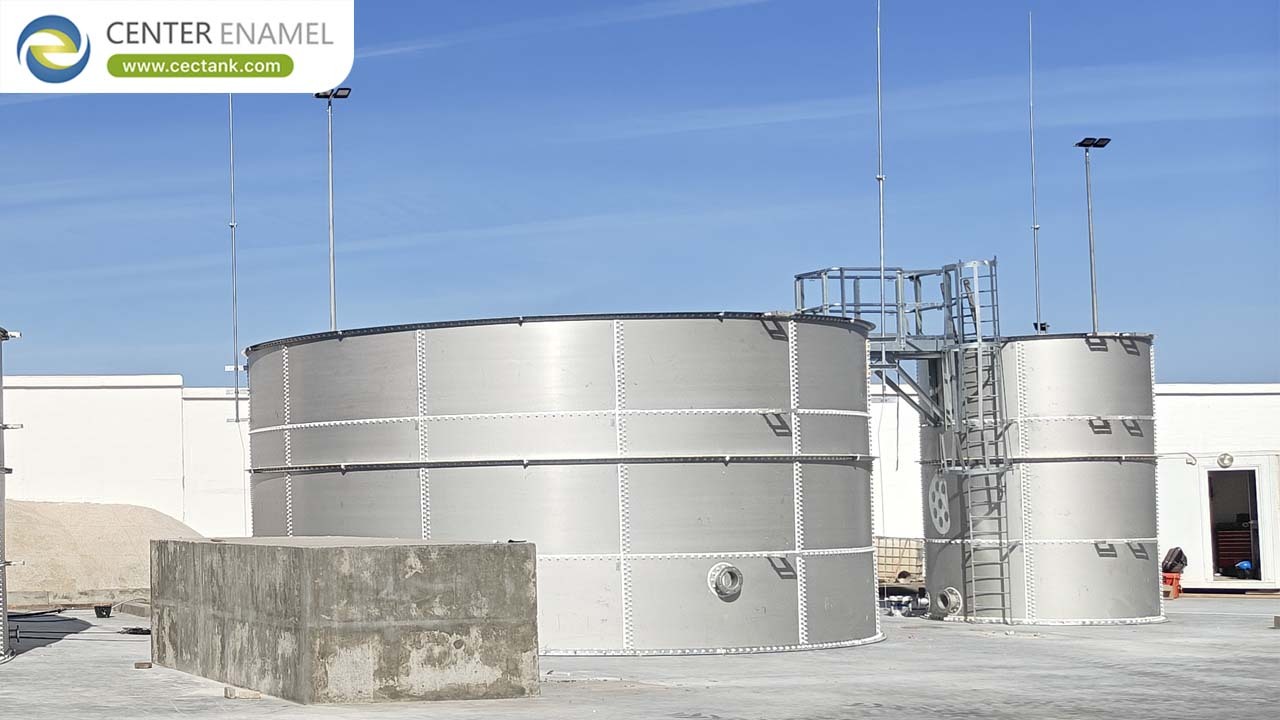
Edelstahltanks für industrielle Abwasserbehandlungsanlagen
Die industrielle Fertigung, chemische Verarbeitung, Textilproduktion, pharmazeutische Synthese sowie Lebensmittelverarbeitungsprozesse erzeugen komplexe, äußerst aggressive Abwasserströme. Diese industriellen Abwässer enthalten häufig konzentrierte Säuren, ätzende Laugen, toxische organische Verbindungen, Schwermetalle und hohe biologische Belastungen. Die Handhabung und Behandlung dieser korrosiven Flüssigkeiten erfordert eine Auffanginfrastruktur, die absolute chemische Inertheit, strukturelle Steifigkeit und langfristige Zuverlässigkeit bietet. Traditionelle vor Ort gegossene Betonbecken und beschichtete Kohlenstoffstahltanks versagen unter diesen harten Betriebsbedingungen häufig und leiden unter Betonabplatzungen, Sulfatangriffen sowie einem raschen Verschleiß der Innenbeschichtungen.
Um maximale Korrosionsbeständigkeit und vollständige Umweltkonformität zu erreichen, setzen moderne Anlagen auf Edelstahltanks für industrielle Abwasserbehandlungsanlagen. Entwickelt von Shijiazhuang Zhengzhong Technology Co., Ltd. (Zentrum-Emaille); diese fortschrittlichen Auffangsysteme liefern Benchmark‑Leistungen in anspruchsvollen Abwasseraufbereitungsketten.
Die schweren ingenieurtechnischen Herausforderungen der industriellen Abwasserauffangung
Die Behandlung industrieller Abwässer bringt einzigartige betriebliche Belastungen mit sich, denen herkömmliche kommunale Wasserspeicher nicht gewachsen sind:
Aggressive chemische Einwirkung: Schwankende pH‑Werte und reaktive chemische Verbindungen können ungeschützte oder schlecht ausgekleidete Metallstrukturen schnell korrodieren, was zu katastrophalen Leckagen und Umweltverschmutzung führt.
Biologische Schlammansammlung: Klär- und Ausgleichsbecken neigen zur Bildung bakterieller Biofilme, zur Kalkbildung sowie zum Anlagern organischer Rückstände, was die regelmäßige Reinigung der Tanks erschwert.
Strenge Vorgaben zur Null-Leckage: Industrieanlagen unterliegen strengen regulatorischen Rahmenbedingungen, die eine lückenlose Sicherheit der Auffangbehälter verlangen, um den umliegenden Boden und das Grundwasser zu schützen.
Technische Überlegenheit von Edelstahl‑Abwassertanks
Die Edelstahl‑Auffangsysteme von Center Enamel integrieren fortschrittliche metallurgische und strukturelle Merkmale, die speziell für industrielle Abwasserumgebungen entwickelt wurden:
Hochwertige austenitische Stahlsorten (304 und 316/316L): Diese aus hochwertigem Edelstahl gefertigten Tanks verfügen über eine natürliche Chromoxidschicht, die sich bei Sauerstoffkontakt sofort selbst repariert und so einen dauerhaften Schutz gegen Oxidation und chemische Angriffe bietet.
Keine Anforderungen an Beschichtungen: Da Edelstahl über seine gesamte Dicke hinweg korrosionsbeständig ist, entfallen innere Epoxidbeschichtungen und regelmäßige Neuanstriche vollständig, wodurch das Risiko von Beschichtungsablösungen und chemischer Auslaugung eliminiert wird.
Glatte, porenfreie Antihaft-Oberfläche: Die extrem glatte Innenoberfläche verhindert, dass klebrige organische Schlämme, chemische Niederschläge und biologische Flocken an den Tankwänden haften bleiben, was einfache Spülvorgänge und eine gleichbleibende hydraulische Leistung gewährleistet.
Vergleichsmatrix: Technologien für industrielle Abwassertanks
| Bewertungskriterium | Zentrum-Emaille-Edelstahltank | Ortsgießbetonbecken | Traditioneller beschichteter Kohlenstoffstahltank |
| Korrosions- und Chemikalienbeständigkeit | Überlegen (die natürliche passive Chromschicht widersteht aggressiven Industrie‑Säuren und -Laugen) | Mäßig (Anfällig für Betonkarbonatisierung, Sulfatangriff und saure Abplatzungen) | Niedrig (abhängig von vor Ort aufgetragenen Epoxidbeschichtungen, die schnell blähen und pocken) |
| Biologische Haftung und Reinigung | Minimal (die glatte, porenfreie Oberfläche verhindert Kalkbildung und Biofouling) | Hoch (Die grobe Porenstruktur von Beton begünstigt das Bakterienwachstum und die Schlammansammlung) | Mäßig (Oberflächenabnutzung führt zur Bildung mikroskopischer Risse, in denen organische Substanzen haften können) |
| Konstruktion und Skalierbarkeit | Modular und schnell (Präzisionsgefertigte Paneele werden vor Ort rasch montiert) | Sehr langsam (Monate für Schalung, Betonieren sowie mehrwöchige Aushärtephasen) | Mäßig (Erfordert intensives Walzen der Feldplatten sowie umfangreiche Schweißinspektionen) |
| Lebenszyklus und Wartung | Minimal (40 bis über 60 Jahre Einsatzdauer bei nahezu keinem Innenraum‑Wartungsaufwand) | Hoch (Erfordert häufige Abdichtung struktureller Risse und wasserdichte Reparaturen) | Hoch (Kontinuierliche Wartungskosten zur Vermeidung von Durchrostungen und Leckagen) |
guo Technische Gewährleistung: Alle von Center Enamel konstruierten Edelstahltanks entsprechen strikt international anerkannten Konstruktions‑ und Qualitätsstandards, einschließlich AWWA D103-09, ISO 28765, und ISO 9001, wodurch eine zertifizierte Zuverlässigkeit in kritischen industriellen Abwasseranwendungen weltweit gewährleistet wird.
Häufig gestellte Fragen (FAQ)
F: Warum werden Edelstahltanks für industrielle Klärwerke bevorzugt?
A: Edelstahltanks bieten außergewöhnliche Beständigkeit gegenüber aggressiven Chemikalien, schwankenden pH‑Werten und industriellen Abwässern, ohne dass schützende Innenbeschichtungen erforderlich sind. Sie zeichnen sich durch eine lange Lebensdauer (40–60+ Jahre) und einen minimalen Wartungsaufwand im Vergleich zu Beton oder lackiertem Kohlenstoffstahl aus.
F: Welche Edelstahlsorten werden für korrosive industrielle Abwasserströme eingesetzt?
A: Center Enamel fertigt Tanks aus hochwertigem austenitischem Edelstahl – vor allem Qualität 304 für standardmäßige Industrieumgebungen und Qualität 316/316L für Anwendungen mit hohem Chloridgehalt, stark sauren oder chemisch äußerst aggressiven industriellen Abwässern, um maximalen Lochfraßschutz zu gewährleisten.
F: Benötigen Edelstahl‑Abwassertanks innere Epoxidbeschichtungen oder Neuanstriche?
A: Nein. Da Edelstahl aufgrund seiner selbstheilenden passiven Chromoxidschicht über seine gesamte Dicke hinweg korrosionsbeständig ist, sind innenliegende Epoxidbeschichtungen, spezielle Oberflächenbeschichtungen sowie regelmäßige Neuanstriche vollständig überflüssig.
F: Können die Edelstahltanks von Center Enamel an spezifische Durchflussraten und räumliche Gegebenheiten Ihrer Anlage angepasst werden?
A: Ja. Center Enamel bietet vollständig maßgeschneiderte Lösungen an, die genau auf die hydraulischen Durchflussraten, Platzverhältnisse sowie die spezifische Abwasserchemie Ihrer Anlage abgestimmt sind und unter anderem Optionen wie spezialisierte Düsen, innere Trennwände, Rührwerke sowie Füllstandssensoren umfassen.