
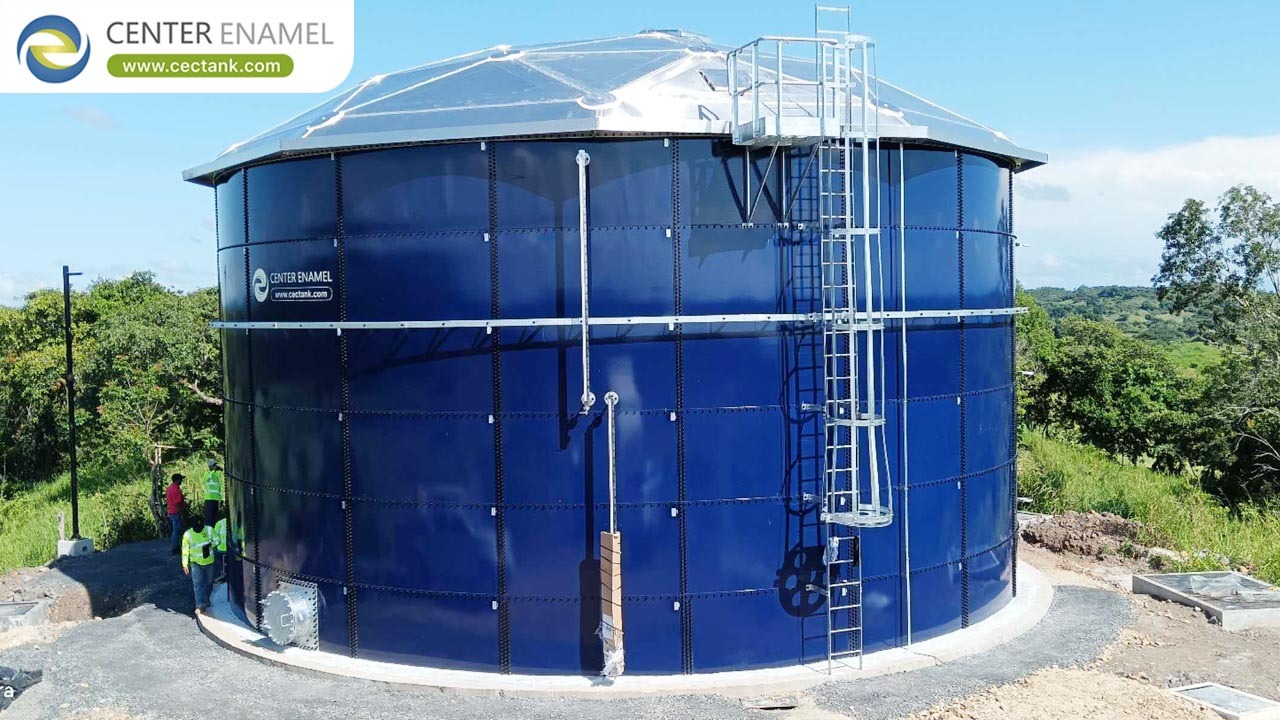
Serbatoi in acciaio rivestiti di vetro (GLS) da 60.000 galloni: infrastrutture di precisione per lo stoccaggio commerciale e industriale dell’acqua
Nel mondo dello stoccaggio idrico su larga scala, la capacità di 60.000 galloni rappresenta la soglia tra lo stoccaggio standard per servizi pubblici e le infrastrutture critiche. Che si tratti di protezione antincendio municipale, acqua di processo industriale o serbatoi di acqua potabile, un serbatoio di questa dimensione richiede un materiale che bilanci resistenza strutturale e durabilità chimica nel tempo.
Acciaio rivestito di vetro (GLS) I serbatoi di stoccaggio sono emersi come il “gold standard” del settore per questa scala. Fondere un rivestimento vetro‑smaltato di alta qualità con acciaio ad alta resistenza alla trazione, questi serbatoi offrono prestazioni che l’acciaio al carbonio, il calcestruzzo e la plastica tradizionali non riescono affatto a eguagliare.
Perché l’acciaio rivestito di vetro per sistemi da 60.000 galloni?
A livello di 60.000 galloni, il fallimento del serbatoio non è un’opzione. Le riparazioni a questa scala risultano astronomicamente costose e logisticamente complesse. Scegliere la tecnologia GLS riduce tali rischi fornendo:
·
Protezione impermeabile dalla corrosione: Il rivestimento vetro‑smaltato viene cotto a temperature comprese tra 820 °C e 930 °C, formando un legame molecolare con l’acciaio. Questa barriera è chimicamente inerte ed efficacemente immune all’ossidazione e alla ruggine che compromettono i serbatoi in acciaio standard col passare del tempo.
·
·
Integrità igienica superiore: Grazie a una superficie liscia come il vetro, priva di porosità, questi serbatoi ostacolano la formazione di biofilm, alghe e incrostazioni minerali. Ciò è fondamentale per preservare la qualità dell’acqua nei sistemi da 60.000 galloni, dove una stagnazione prolungata potrebbe altrimenti causare contaminazione.
·
·
Requisiti minimi di manutenzione: A differenza dei serbatoi rivestiti con resina epossidica, che richiedono periodiche rifiniture interne o ri‑rivestimenti, un serbatoio GLS correttamente specificato e installato richiede praticamente nessuna manutenzione interna. Questo riduce significativamente il Costo Totale di Proprietà (TCO) durante una vita utile che spesso raggiunge i 30–50 anni.
·
·
Stabilità strutturale ad alto volume: A 60.000 galloni, la pressione idrostatica è notevole. I serbatoi GLS impiegano pannelli in acciaio ad alta resistenza, progettati con precisione per sopportare tali pressioni, garantendo una rigidità strutturale costante indipendentemente dal livello di riempimento del serbatoio.
·
Specifiche tecniche: la soglia dei 60.000 galloni
Per lo stoccaggio su larga scala, la precisione ingegneristica è essenziale. Un serbatoio GLS da 60.000 galloni presenta tipicamente:
Caratteristica
Specifiche
Diametro tipico
24′ – 30′ (a seconda dell’altezza)
Tipo di rivestimento
Smalto porcellanato fuso in fabbrica (GLS)
Conformità
AWWA D103-09, NSF-61 (per acqua potabile)
Sistema di bullonatura
Componenti hardware ad alta resistenza alla trazione e alla corrosione
Durata di vita
Oltre 30 anni (con manutenzione standard)
Applicazioni per serbatoi GLS da 60.000 galloni
1. Protezione antincendio municipale e privata
La conformità alla normativa NFPA 22 rappresenta il punto di riferimento per lo stoccaggio dell’acqua antincendio. Un serbatoio da 60.000 galloni garantisce una fornitura d’acqua affidabile e continua per sistemi sprinkler e idranti nelle aree rurali, nei magazzini industriali e nei grandi complessi commerciali.
2. Acqua per processi industriali ad alta purezza
In settori come quello farmaceutico, alimentare e delle bevande, e nella produzione di apparecchiature elettroniche, la purezza dell’acqua è un requisito imprescindibile. La natura inerte del rivestimento in vetro garantisce che l’acciaio non rilasci minerali o metalli pesanti nel flusso di processo.
3. Serbatoi municipali per acqua potabile
Per i piccoli comuni o per i sistemi idrici delle comunità isolate, 60.000 galloni rappresentano un volume “di riserva” ideale per gestire le fluttuazioni della domanda di punta e fornire uno stoccaggio di emergenza in caso di siccità o guasto del sistema.
Domande frequenti (FAQ)
Domanda: Un serbatoio GLS da 60.000 galloni è più costoso rispetto a uno in acciaio zincato?
R: Sì, la spesa iniziale (CAPEX) per un serbatoio GLS è più elevata a causa del processo di smaltatura ad alta temperatura. Tuttavia, tenendo conto dell’assenza di ripetuti rivestimenti interni e della riduzione dei costi di manodopera per la pulizia, i costi operativi su un periodo di 20 anni risultano spesso inferiori, rendendo così il ritorno sull’investimento (ROI) più vantaggioso nei progetti a lungo termine.
Domanda: Il rivestimento in vetro può rompersi sotto carichi strutturali o durante eventi sismici?
R: Lo smalto vetroso è appositamente formulato per garantire elasticità entro i limiti di deformazione dell’acciaio. Poiché è fuso a livello molecolare, si flette insieme ai pannelli d’acciaio durante i cicli di riempimento e svuotamento, nonché in presenza di lievi movimenti sismici.
Domanda: È possibile ampliare questo serbatoio se le nostre esigenze dovessero aumentare?
R: Poiché i serbatoi GLS sono costruiti con pannelli modulari prefabbricati in fabbrica, risultano altamente scalabili. In molti casi, qualora la necessità di stoccaggio cresca, è possibile aggiungere anelli supplementari alla struttura esistente per aumentarne la capacità, purché le fondazioni e la progettazione strutturale lo consentano.
Domanda: Come si effettua l’ispezione interna di un serbatoio da 60.000 galloni?
R: La manutenzione dei serbatoi GLS consiste principalmente in ispezioni visive periodiche dell’interno e nel controllo del sistema di protezione catodica (anodo). Poiché la superficie è estremamente resistente all’accumulo di depositi, rispetto ai tradizionali serbatoi in calcestruzzo o acciaio al carbonio, la pulizia manuale è raramente necessaria.
Collaborazione per il tuo progetto infrastrutturale
Center Enamel offre soluzioni di stoccaggio GLS all’avanguardia, progettate per garantire affidabilità, sicurezza e conformità alle normative. Forniamo assistenza completa, dalle analisi sismiche e dei carichi di vento specifiche per ciascun sito fino alla coordinazione logistica globale e alla supervisione dell’installazione.
Sei pronto a proteggere l’impianto di stoccaggio dell’acqua della tua struttura? Contatta oggi stesso il nostro team di ingegneria per discutere le tue esigenze di capacità e ricevere una proposta tecnica per il tuo progetto di serbatoio da 60.000 galloni.