
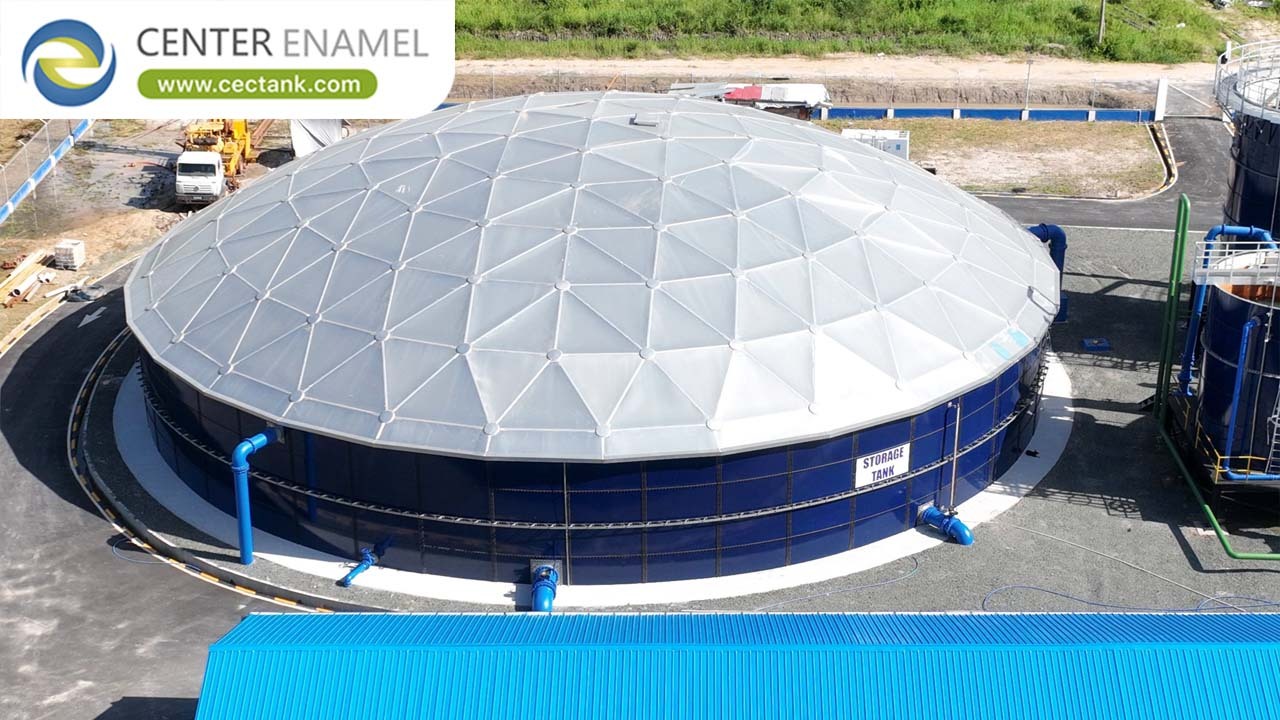
Eccellente resistenza all’abrasione: perché i serbatoi in vetro-fuso-sull’acciaio (GFS) rappresentano lo standard d’oro per lo stoccaggio dell’acqua potabile
Quando si progetta un’infrastruttura municipale o industriale per lo stoccaggio dell’acqua, il fallimento dei materiali non è accettabile. Per i sistemi di acqua potabile, i responsabili delle strutture e gli ingegneri danno priorità a due indicatori fondamentali rispetto a tutti gli altri: Purezza igienica e integrità strutturale a lungo termine.
Vetro-Fuso-Acciaio (GFS) La tecnologia si è affermata come leader del settore, offrendo una combinazione senza pari di resistenza strutturale e resilienza superficiale. Una caratteristica distintiva di questi serbatoi è la loro eccezionale resistenza all'abrasione, che garantisce che il contenitore di stoccaggio rimanga integro, pulito e privo di contaminanti per decenni.
La scienza della resistenza all’abrasione nei serbatoi GFS
La resistenza all’abrasione viene spesso trascurata nelle specifiche dei serbatoi, eppure rappresenta un fattore cruciale per la durata di un sistema di stoccaggio dell’acqua. L’acqua, soprattutto quando viene pompata ad alta velocità o contiene tracce di sedimenti, può agire come agente abrasivo contro le pareti interne di un serbatoio.
Il vantaggio della fusione termica
I serbatoi GFS vengono realizzati applicando uno smalto di vetro su pannelli d’acciaio ad alta resistenza, a temperature superiori agli 800 °C. Questo processo crea un legame molecolare, non semplicemente un rivestimento meccanico.
Durezza: La superficie vetroceramica risultante raggiunge tipicamente una Durezza Mohs da 5 a 7, simile a quella del quarzo. Tale superficie è estremamente difficile da graffiare, raschiare o erodere.
Superficie non porosa: A differenza di vernici, resine epossidiche o calcestruzzo, che presentano pori microscopici dove possono accumularsi minerali e sedimenti, la superficie GFS è ultra-liscia. Ciò impedisce l’adesione di sostanze indesiderate: sabbia, limo e incrostazioni minerali hanno minori probabilità di attaccarsi e causare usura abrasiva durante le operazioni di pulizia del serbatoio o nei cicli rapidi di riempimento.
Perché i serbatoi GFS sono superiori per l’acqua potabile e potabile
Per l’acqua potabile, l’igiene rappresenta l’indicatore chiave per eccellenza. I serbatoi GFS eccellono in questo ambito grazie alla natura inerte dello smalto di vetro.
- Assenza di accumulo di biofilm
Batteri e alghe proliferano facilmente nelle microfessure e sulle superfici ruvide dei tradizionali serbatoi in calcestruzzo o in acciaio al carbonio saldato. La superficie liscia e fusa con il vetro di un serbatoio GFS non offre alcun “appiglio” per la crescita biologica. Ciò rende i processi di sanificazione (come la clorazione shock) notevolmente più efficaci.
- Nessuna cessione, nessuna contaminazione
Poiché il rivestimento in vetro è chimicamente inerte, funge da barriera assoluta tra l’acqua e il substrato d’acciaio. Ciò garantisce che nessun metallo pesante, solvente o COV (Composti Organici Volatili) possa migrare nell’acqua potabile, un problema comune nei serbatoi rivestiti con polimeri di qualità inferiore.
- Conformità agli standard globali
Per i progetti relativi all’acqua potabile, la conformità non è negoziabile. I serbatoi GFS sono progettati per soddisfare rigorosi standard internazionali, tra cui:
NSF/ANSI 61 Certificazione per componenti dei sistemi idrici potabili.
AWWA D103-09: Standard di riferimento per serbatoi in acciaio bullonati rivestiti in fabbrica.
Matrice comparativa: GFS vs. stoccaggio tradizionale
| Caratteristica | Vetro-Fuso-Acciaio (GFS) | Calcestruzzo gettato | Acciaio al carbonio saldato |
| Resistenza all’abrasione | Superiore (Vetro indurito) | Bassa (La superficie si erode) | Moderato (Richiede un rivestimento spesso) |
| Profilo igienico | Inerte/Non poroso | Poroso (Prone alla crescita) | Variabile (dipende dal rivestimento) |
| Manutenzione | Minimo (Senza rivestimento ripetuto) | Alto (Riparazione delle crepe) | Elevato (Pittura periodica) |
| Durata di vita | 30–50+ anni | 20–30 anni | 15–25 anni |
| Installazione | Rapida (Modulare/Bullonata) | Lento (Settimane/Mesi) | Moderato (ad alta intensità di lavoro sul campo) |
Domande frequenti (FAQ)
Domanda: La resistenza all’abrasione significa che il serbatoio è fragile?
R: No. Sebbene la superficie fusa in vetro sia estremamente dura, è anche flessibile. Il processo di fusione crea un materiale composito in cui il vetro rimane in compressione, permettendo così al serbatoio di flettersi insieme ai pannelli d’acciaio durante le variazioni termiche o i carichi idrostatici, senza crepe né scheggiature.
Domanda: Questi serbatoi possono essere utilizzati per cicli di riempimento ad alta velocità?
R: Sì. La resistenza all’abrasione rende i serbatoi GFS ideali per lo stoccaggio nelle utilities municipali, dove i livelli dell’acqua variano quotidianamente. La superficie è progettata per sopportare l’effetto erosivo di flussi elevati senza compromettere lo strato protettivo.
Domanda: Cosa devo considerare quando specifico un serbatoio GFS?
R: Dare sempre priorità ai produttori che offrono tecnologia certificata di rivestimento dei bordi. I bordi dei pannelli d’acciaio rappresentano i punti più vulnerabili alla corrosione; una tecnologia GFS di alta qualità garantisce che queste aree siano protette quanto le superfici piane.
Proteggi la tua infrastruttura idrica con Center Enamel
A Smalto centrale, siamo specializzati in soluzioni di stoccaggio GFS ad alte prestazioni. Con oltre 30 anni di esperienza globale, forniamo serbatoi progettati con precisione e certificati NSF-61, capaci di resistere alla prova del tempo. Il nostro design modulare a pannelli bullonati garantisce un montaggio rapido e un costo totale di proprietà (TCO) significativamente più basso per il tuo comune o impianto.
Pronto a migliorare il tuo sistema di stoccaggio dell'acqua? Contatta oggi stesso il nostro team di ingegneria per una consulenza tecnica, un’analisi sismica specifica per il sito e una proposta su misura in base alle tue esigenze di capacità.