
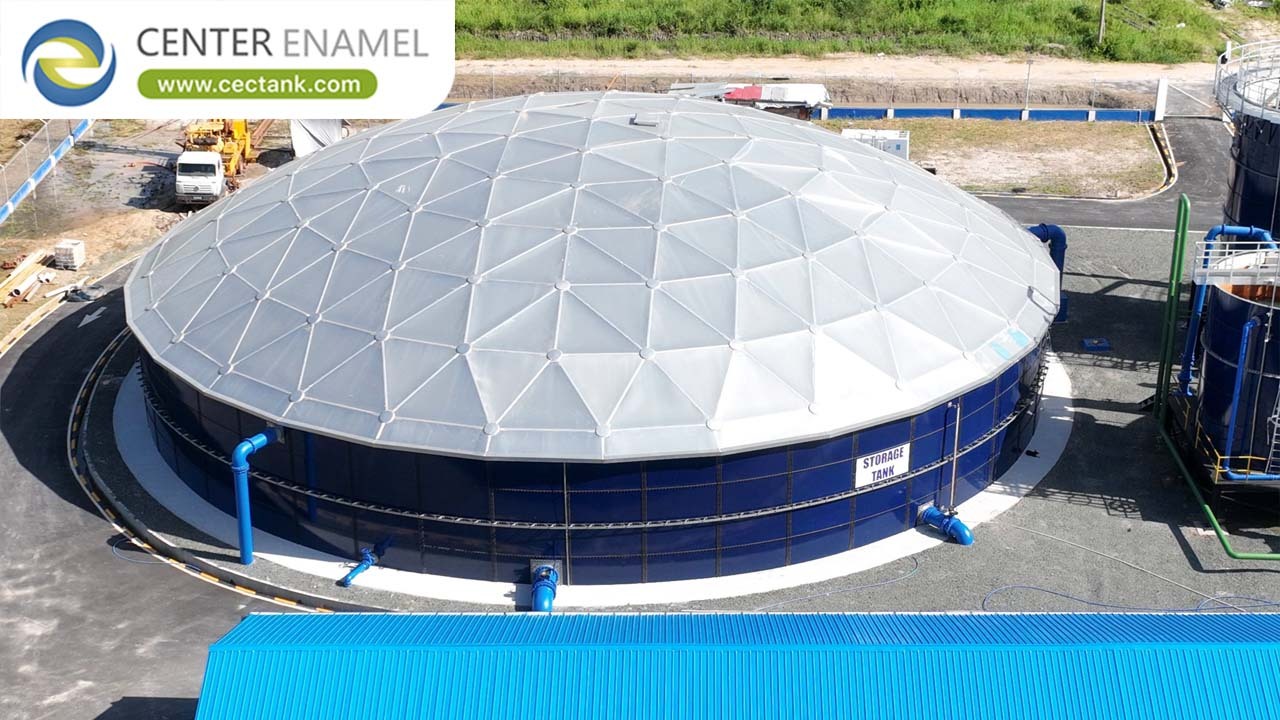
Excelente Resistência à Abrasão: Por Que os Tanques de Vidro-Fundido ao Aço (GFS) São o Padrão Ouro para Armazenamento de Água Potável
Ao projetar infraestruturas municipais ou industriais de armazenamento de água, a falha do material não é uma opção. Para sistemas de água potável, gestores de instalações e engenheiros priorizam duas métricas essenciais acima de todas as outras: pureza higiênica e integridade estrutural de longo prazo.
Vidro-Fundido ao Aço (GFS) a tecnologia emergiu como líder do setor, oferecendo uma combinação inigualável de resistência estrutural e durabilidade superficial. Uma característica marcante desses tanques é sua resistência excepcional à abrasão, que garante que o reservatório permaneça intacto, limpo e livre de contaminantes por décadas.
A Ciência da Resistência à Abrasão em Tanques GFS
A resistência à abrasão muitas vezes é negligenciada nas especificações dos tanques, embora seja um fator crucial para a vida útil de um sistema de armazenamento de água. A água, especialmente quando bombeada em altas velocidades ou carregando vestígios de sedimentos, pode agir como um agente de erosão contra as paredes internas de um tanque.
A vantagem da fusão térmica
Os tanques GFS são fabricados mediante a aplicação de esmalte de vidro sobre painéis de aço de alta resistência, a temperaturas superiores a 800 °C. Isso cria uma ligação molecular — e não apenas um revestimento mecânico.
Dureza: A superfície resultante, composta por vidro-cerâmica, geralmente atinge uma Dureza de Mohs de 5–7, comparável à do quartzo. Essa superfície é extremamente difícil de riscar, desgastar ou erodir.
Superfície Não Porosa: Ao contrário de tintas, epóxis ou concretos, que possuem poros microscópicos onde minerais e sedimentos podem se acumular, a superfície GFS é ultra-lisa. Isso evita a “aderência”, ou seja, areia, silte e incrustações minerais têm menor probabilidade de se fixar e causar desgaste abrasivo durante a limpeza do tanque ou em ciclos rápidos de enchimento.
Por que o GFS é Superior para Água Potável e Bebida
Para água potável, a higiene é o principal indicador de desempenho. Os tanques GFS destacam-se nesse aspecto devido à natureza inerte do revestimento de vidro.
- Acumulação Zero de Biofilme
Bactérias e algas prosperam nas microfissuras e nas superfícies ásperas de tanques tradicionais de concreto ou de aço carbono soldado. Já a superfície lisa e fundida ao vidro de um tanque GFS não oferece nenhum “ponto de apoio” para o crescimento biológico. Isso torna os processos de sanitização (como a cloração de choque) muito mais eficazes.
- Sem lixiviação, sem contaminação
Devido ao revestimento de vidro ser quimicamente inerte, ele funciona como uma barreira absoluta entre a água e o substrato de aço. Isso garante que nenhum metal pesado, solvente ou COV (Compostos Orgânicos Voláteis) seja liberado para a sua água potável — uma preocupação comum em tanques revestidos com polímeros de qualidade inferior.
- Conformidade com padrões globais
Para projetos de água potável, a conformidade é indispensável. Os tanques GFS são projetados para atender a rigorosos padrões internacionais, incluindo:
NSF/ANSI 61: Certificação para componentes de sistemas de água potável.
AWWA D103-09: O padrão de referência para tanques de aço parafusados revestidos em fábrica.
Matriz Comparativa: GFS vs. Armazenamento Tradicional
| Recurso | Vidro-Fundido ao Aço (GFS) | Concreto Fundido | Aço Carbono Soldado |
| Resistência à Abrasão | Superior (Vidro Temperado) | Baixa (Superfície se desgasta) | Moderado (necessita de revestimento espesso) |
| Perfil higiênico | Inerte/Não Poroso | Poroso (Propenso ao crescimento) | Variável (dependente do revestimento) |
| Manutenção | Mínimo (Sem repintura) | Alto (Reparo de trincas) | Alto (Pintura periódica) |
| Vida Útil | 30–50+ Anos | 20–30 Anos | 15–25 anos |
| Instalação | Rápida (Modular/Parafusada) | Lenta (Semanas/Meses) | Moderado (intensivo em campo) |
Perguntas Frequentes (FAQ)
Pergunta: A resistência à abrasão significa que o tanque é frágil?
R: Não. Embora a superfície fundida com vidro seja extremamente dura, ela também é flexível. O processo de fusão cria um material compósito no qual o vidro permanece sob compressão, permitindo que se flexione junto aos painéis de aço durante a expansão térmica ou a carga hidrostática, sem rachar ou lascar.
Pergunta: Esses tanques podem ser utilizados em ciclos de enchimento de alta velocidade?
R: Sim. A resistência à abrasão torna os tanques GFS ideais para armazenamento em serviços públicos municipais, onde os níveis de água variam diariamente. A superfície é projetada para suportar o efeito de raspagem causado por fluxos intensos de entrada, sem comprometer a camada protetora.
Pergunta: O que devo observar ao especificar um tanque GFS?
R: Sempre dê prioridade a fabricantes que oferecem tecnologia certificada de revestimento nas bordas. As bordas dos painéis de aço são os pontos mais vulneráveis à corrosão; a tecnologia GFS de alta qualidade garante que essas áreas estejam tão protegidas quanto as superfícies planas.
Proteja sua infraestrutura hídrica com o esmalte Center
Na Esmalte central, somos especializados em soluções de armazenamento GFS de alto desempenho. Com mais de 30 anos de experiência global, fornecemos tanques projetados com precisão e certificados pela NSF-61, que resistem ao teste do tempo. Nosso design modular em painéis parafusados garante montagem rápida e um Custo Total de Propriedade (TCO) significativamente menor para seu município ou instalação.
Pronto para atualizar seu sistema de armazenamento de água? Entre em contato hoje mesmo com nossa equipe de engenharia para uma consulta técnica, análise sísmica específica ao local e uma proposta adaptada às suas necessidades de capacidade.