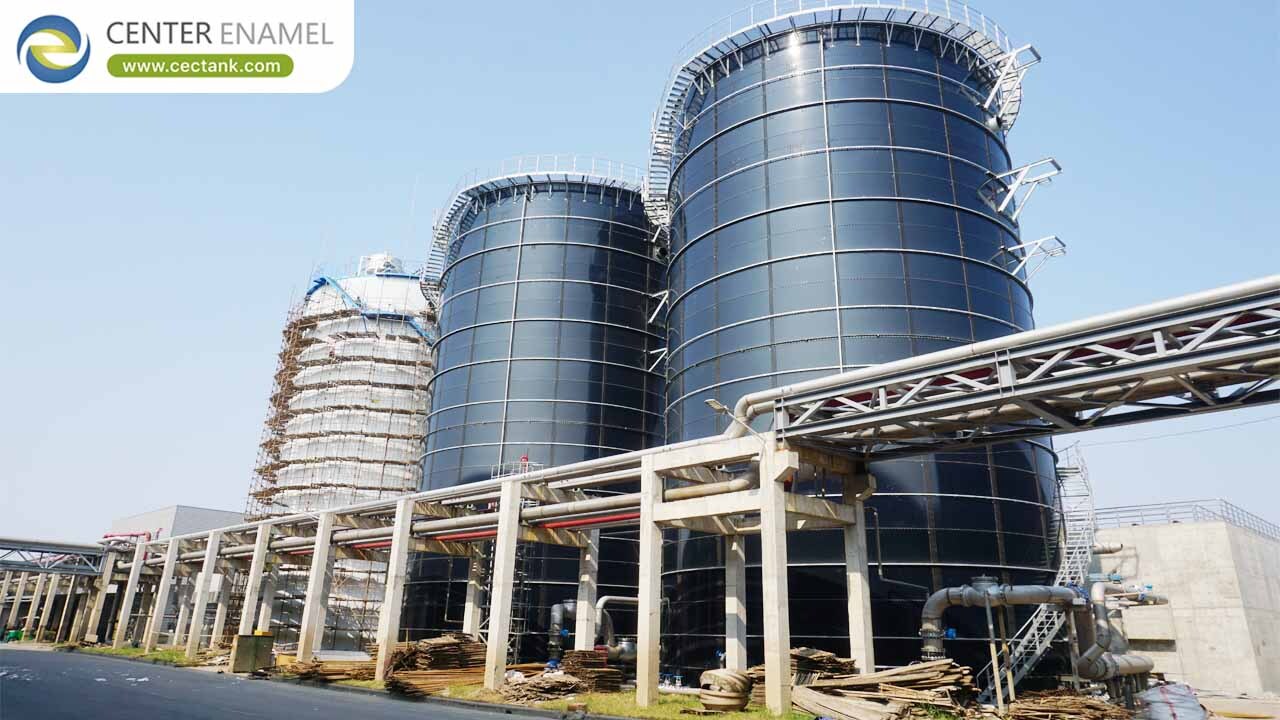
Silos per calce GFS: lo standard tecnico per lo stoccaggio di materiali sfusi secchi e la preparazione delle sospensioni
Nel moderno trattamento delle acque municipali, nella desolforazione dei gas di scarico industriali (FGD) e nei processi chimici, calce idrata e calce viva sono reagenti essenziali. Tuttavia, lo stoccaggio della calce sfusa comporta notevoli sfide meccaniche e ambientali. La calce è altamente igroscopica (assorbente di umidità), abrasiva, soggetta al formarsi di ponti di materiale e chimicamente aggressiva in presenza di umidità.
A partire dal 2026, Silos per calce in vetro-fuso-acciaio (GFS)—noti anche come silos in acciaio rivestiti di vetro—sono diventati il riferimento globale per gli acquisti. Combinando l’elevata resistenza a trazione dell’acciaio al carbonio con l’eccezionale durezza e l’inertità chimica di un rivestimento in vetro vitreo cotto, la tecnologia GFS garantisce il costo totale di ciclo di vita più basso per lo stoccaggio industriale di materiali sfusi secchi.
1. Che cos’è un silo per calce GFS?
Un silo per calce GFS è un recipiente di stoccaggio modulare e bullonato, costruito con pannelli in acciaio al carbonio di alta qualità, rivestiti in fabbrica con uno smalto di alta performance. I pannelli vengono cotti in un forno specializzato a temperature comprese tra da 820°C a 930°C.
Durante questo processo di fusione termica, lo smalto di vetro fuso reagisce con la superficie del pannello d’acciaio, formando un legame inorganico inseparabile e reticolato a livello molecolare. Il materiale composito risultante offre la flessibilità strutturale e la capacità portante dell’acciaio, supportate dalla resistenza permanente all’abrasione e alla corrosione propria del vetro.
2. Prestazioni tecniche: superare le sfide della calce sfusa
Lo stoccaggio della calce sfusa richiede una progettazione specializzata per la movimentazione dei materiali, al fine di garantire un flusso continuo e la sicurezza strutturale. La tecnologia GFS soddisfa tali esigenze grazie a diversi fattori chiave di prestazione:
Resistenza all’abrasione superiore (durezza Mohs 6.0)
La polvere di calce è estremamente abrasiva quando viene caricata pneumaticamente o scaricata tramite vibratori a cono ad alta resistenza. I rivestimenti liquidi standard e gli epossidici morbidi possono consumarsi e scrostarsi sotto l’attrito costante delle particelle, esponendo l’acciaio grezzo alla ruggine. I pannelli GFS presentano una durezza superficiale di 6,0 sulla scala di Mohs, resistendo per anni all’usura da materiale sfuso a elevata velocità senza subire degrado del rivestimento.
Antiadesione e flusso omogeneo dei materiali
Le polveri di calce sono note per formare “ponti”, “canali a ratto” o aderire alle pareti interne dei silos, compromettendo lo scarico alimentato dalla gravità. La superficie interna liscia come il vetro e ad alto lucido di un pannello GFS (spessore del rivestimento controllato tra 250 e 450 micron) presenta un coefficiente di attrito estremamente basso. Questa finitura antiallacciamento riduce drasticamente l’attrito del materiale, favorendo il flusso massivo ed evitando l’accumulo del prodotto sulle pareti.
Sigilli ermetici 100% contro l’umidità ambientale
Se l’umidità atmosferica penetra in un silo per calce secca, la calce viva reagirà in modo esotermico formando calce idrata, causando gravi agglomerati, blocchi e ingenti sollecitazioni strutturali. I silos GFS utilizzano guarnizioni in EPDM o silicone, progettate per un’elevata durabilità, tra i giunti bullonati dei pannelli. In combinazione con tolleranze di precisione lavorate in fabbrica, la struttura bullonata forma una barriera completamente ermetica che mantiene l’interno privo di umidità.
Assicurazione della qualità ad alta tensione
Nei silos industriali per materiali sfusi secchi, anche una microscopica discontinuità nel rivestimento può consentire l’inizio del degrado chimico. Ogni singolo pannello GFS viene sottoposto a rigorosi test elettronici ad alta tensione in fabbrica Prova di tenuta (1500V) per garantire un rivestimento privo di fori 100% prima dell’imballaggio piatto.
3. Matrice di confronto: GFS vs. Calcestruzzo vs. Acciaio al carbonio saldato
| Caratteristica di prestazione tecnica | Silo in acciaio bullonato GFS | Calcestruzzo armato | Acciaio al carbonio saldato (verniciato) |
| Durezza della superficie interna | Alto (Vetro vitreo, Mohs 6.0) | Basso (soggetto all’erosione superficiale) | Basso (la vernice si consuma rapidamente) |
| Attrito del materiale della parete | Ultra-basso (Finitura lucida e liscia) | Alto (il calcestruzzo poroso trattiene la polvere) | Da moderato ad alto |
| Tempistica di costruzione | Molto rapida (Settimane tramite martinetti di sollevamento) | Lento (mesi di gettata e stagionatura) | Moderato (Richiede saldature intensive in loco) |
| Rischio di umidità/agglomerazione | Zero (Giunti ermetici e non porosi) | Alto (il calcestruzzo assorbe l’umidità) | Da basso a moderato |
| Durata progettuale | Oltre 30 anni (Zero ricostruzioni interne) | 20–30 anni | 15–20 anni (richiede verniciature regolari) |
| Costo totale del ciclo di vita (TCO) | Più bassa | Alto (costi elevati per riparazioni o rivestimenti) | Alto (frequenti tempi di fermo per manutenzione) |
4. Standard ingegneristici e conformità globale
Per soddisfare le specifiche internazionali di approvvigionamento ingegneristico e superare i rigorosi criteri di selezione delle gare municipali o industriali, i silos GFS di alta qualità (come quelli prodotti da leader globali quali Center Enamel / Tecnologia Zhengzhong di Shijiazhuang) sono progettati e realizzati per rispettare severi standard internazionali:
- ISO 28765:2016:Lo standard internazionale definitivo che disciplina la smaltatura vitrea e porcellanata per strutture di stoccaggio in acciaio imbullonato.
- AWWA D103-19:Il principale standard per lo stoccaggio in acciaio al carbonio imbullonato rivestito in fabbrica, che verifica l’integrità strutturale contro sollecitazioni circonferenziali, compressione e distribuzioni dei carichi di materiale sfuso secco.
- ASCE 7-22 / Eurocodice 3:Parametri di progettazione strutturale che garantiscono che il silo sia calcolato per resistere a forti attività sismiche, carichi di neve e carichi estremi del vento fino a 250 km/h.
- Norme OSHA ed EN:Integrazione di accessori di sicurezza conformi, tra cui scale esterne con gabbie, piattaforme di manutenzione perimetrali e parapetti lungo il perimetro del tetto.
5. Integrazione strategica con sistemi di sospensione di calce
I silos per calce GFS sono progettati per integrarsi perfettamente nei flussi di lavoro automatizzati di dosaggio chimico e preparazione della sospensione:
Interfacce pneumatiche per il carico su camion
Dotato di robusti tubi di riempimento pneumatici resistenti all’usura e di sistemi automatizzati depuratori di polveri per sfiati dei silos (filtri Silotop) per gestire il trasporto ad alta pressione, pur rilasciando aria pulita.
Fluidizzazione e assistenza allo scarico
Il design della tramoggia inferiore consente facilmente l’installazione di tamponi fluidizzanti, coni di aerazione o attivatori meccanici del silo, per rompere i blocchi di calce compattata e convogliarla in modo pulito verso i trasportatori a coclea o gli alimentatori a serranda rotante.
Integrazione dello spegnimento della calce
Posizionati direttamente sopra o accanto ai serbatoi di spegnimento della calce. Poiché gli ambienti di preparazione della calce sono altamente alcalini e umidi, il rivestimento esterno in vetro garantisce che la struttura del silo rimanga completamente protetta da schizzi chimici locali o dal vapore.
Ottimizzazione del ROI delle merci sfuse secche
Per ingegneri ambientali, responsabili di progetto e appaltatori EPC che desiderano ottimizzare Ritorno sull’investimento (ROI), il silo per calce GFS rappresenta un investimento di stoccaggio a prova di futuro fino al 2026. Grazie a un metodo modulare di assemblaggio dall’alto verso il basso, fissato mediante bulloni e dotato di martinetti idraulici sincronizzati, queste strutture eliminano la necessità di impalcature o saldature in loco, riducendo i tempi di installazione fino al 60%. Eliminando i rischi di assorbimento dell’umidità tipici del calcestruzzo e le ricorrenti problematiche di verniciatura associate all’acciaio saldato, la tecnologia GFS assicura una gestione sicura, affidabile e continua delle sostanze chimiche in forma secca, con una durata operativa superiore a 30 anni.
Stai attualmente progettando un sistema di dosaggio chimico oppure stai aggiornando un circuito di stoccaggio di materiali sfusi per calce, ceneri volanti o carbone attivo e desideri una proposta tecnica dettagliata, inclusi calcoli del carico strutturale e dati dimensionali?