
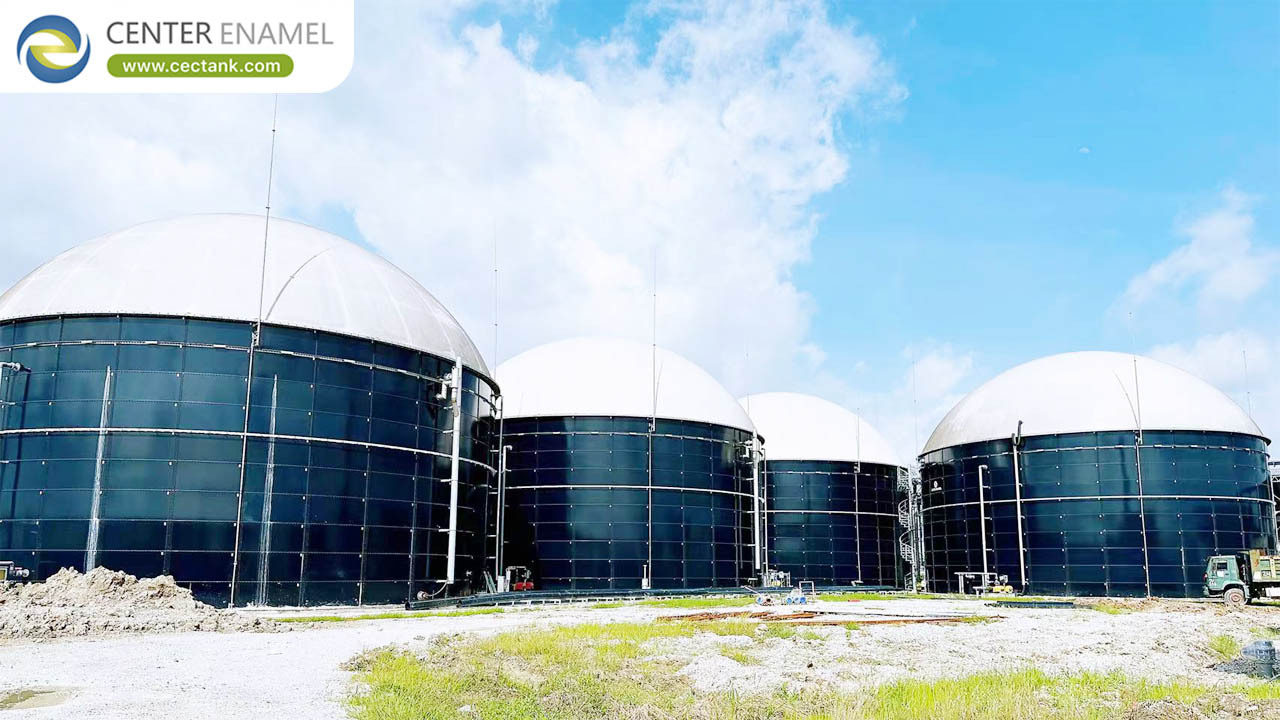
Serbatoi in vetrofuso su acciaio per digestori anaerobici di letame bovino: massimizzare l’efficienza del biogas
Per le moderne aziende lattiero-casearie e le strutture agricole, la gestione del letame bovino non rappresenta più soltanto un onere normativo, ma costituisce un’importante opportunità di energia rinnovabile. Tuttavia, la digestione anaerobica del letame produce un ambiente estremamente aggressivo. La formazione di acido solfidrico ($H_2S$) e di acidi organici può deteriorare rapidamente le infrastrutture di stoccaggio tradizionali.
Per le strutture che desiderano massimizzare la resa di biogas garantendo al contempo la longevità e l’affidabilità degli impianti, Serbatoi in vetro-fuso-acciaio (GFS) sono diventati la soluzione leader nel settore per i digestori anaerobici. Combinando la resistenza strutturale dell’acciaio con l’inertità chimica di una superficie vetrificata, questi serbatoi offrono un’infrastruttura “installa e dimentica” in grado di sopportare le condizioni chimiche più aggressive del letame.
La sfida degli ambienti corrosivi
Il letame bovino è ricco di sostanza organica, ma il processo di digestione anaerobica—che trasforma questo rifiuto in metano—genera sottoprodotti altamente corrosivi. Quando l’H2S si combina con l’umidità presente nello spazio di testa del serbatoio, forma acido solforico, che attacca violentemente l’acciaio al carbonio standard e il calcestruzzo poroso.
Se la vostra infrastruttura di stoccaggio non è chimicamente resistente, dovrete affrontare:
Degrado strutturale: un rapido assottigliamento delle pareti e lo sfaldamento del calcestruzzo.
Rischi di perdite: Il metano è una preziosa fonte di energia; le perdite comportano sia una perdita di entrate sia un rischio ambientale.
Mal di testa della manutenzione: riparazioni continue di verniciatura o rivestimento che interrompono i cicli di produzione del biogas.
Perché i GFS sono la soluzione ottimale per i digestori di letame bovino
I serbatoi GFS di Center Enamel sono progettati specificamente per neutralizzare queste minacce, offrendo un ambiente stabile e sterile in cui i batteri metanogeni possono prosperare.
1. Resistenza chimica superiore
Il rivestimento GFS è inorganico e non poroso. Crea una barriera molecolare completamente immune agli effetti corrosivi dell’acido solforico e degli acidi organici presenti nel liquame bovino. Ciò garantisce che le pareti del serbatoio rimangano lisce e strutturalmente integre per decenni.
2. Integrità stagna ai gas
Massimizzare la produzione di biogas richiede un sistema ermeticamente sigillato. I nostri pannelli GFS sono assemblati con guarnizioni ad alte prestazioni e sistemi di sigillatura resistenti ai prodotti chimici, creando una struttura robusta e a tenuta stagna che assicura che ogni metro cubo di metano prodotto venga raccolto e utilizzato.
3. Modularità e scalabilità
Le attività agricole spesso necessitano di espansione. Che tu stia aumentando il numero di bovini nel tuo allevamento o introducendo rifiuti alimentari organici per la co-digestione, il nostro design modulare assemblato tramite bulloni consente un’espansione futura. Puoi facilmente aggiungere altri anelli al tuo serbatoio esistente, proteggendo il tuo investimento iniziale man mano che la tua azienda agricola cresce.
Analisi comparativa: tecnologie di stoccaggio
Quando si analizza il Costo Totale di Proprietà (TCO) di un impianto a biogas, la scelta dei materiali determina il ritorno sull’investimento operativo.
| Caratteristica | Vetro-Fuso-Acciaio (GFS) | Calcestruzzo gettato | Acciaio al carbonio saldato |
| Resistenza alla corrosione | Superiore (Vetro inerte) | Bassa (richiede rivestimento) | Basso (Richiede verniciatura) |
| Velocità di costruzione | Veloce (modulare) | Lento (Settimane/Mesi) | Moderato |
| Tenuta ai gas | Eccellente (sigillata) | Moderata (microfessurazione) | Moderata (difetti di saldatura) |
| Manutenzione | Minimo | Alto (riparazione delle crepe) | Alto (riverniciatura) |
| Durata di vita | Oltre 30 anni | 20–30 anni | 20–30 anni |
Domande frequenti (FAQ)
Domanda: I serbatoi GFS possono gestire le fluttuazioni di temperatura del processo di digestione?
R: Sì. I serbatoi GFS sono termicamente stabili e progettati per sopportare le temperature interne richieste sia per la digestione mesofila sia per quella termofila, garantendo che il rivestimento in vetro non si delamini né si degradi sotto uno stress termico prolungato.
Domanda: Come evitate che il serbatoio si intasi o si formino “zone morte”?
R: Integriamo i nostri serbatoi con sistemi di miscelazione avanzati e tecnologia CSTR (Reattore a Serbatoio Agitato Continuo). La superficie liscia e antiaderente del vetro previene ulteriormente l’adesione di fanghi densi, assicurando una miscelazione completa e una decomposizione altamente efficiente del letame.
Domanda: Quanto tempo occorre per installare un digestore GFS in un’azienda agricola?
R: Poiché i pannelli sono prefabbricati in fabbrica, il montaggio in loco risulta notevolmente più rapido rispetto ai metodi tradizionali. Utilizzando il nostro metodo di sollevamento idraulico, possiamo erigere la struttura del serbatoio in una frazione del tempo, permettendo così di avviare rapidamente il tuo impianto a biogas.
Domanda: Questi serbatoi possono essere utilizzati per la co-digestione (letame misto a rifiuti alimentari)?
R: Assolutamente sì. I serbatoi GFS sono estremamente versatili. La superficie in vetro resistente agli agenti chimici consente la digestione di diverse matrici organiche, tra cui rifiuti alimentari, residui agricoli e fanghi di depurazione, senza preoccuparsi dei diversi livelli di acidità di tali materiali.
Assicura il tuo futuro nell'energia rinnovabile
Center Enamel offre la rigorosa ingegneria e la scala produttiva necessarie per supportare la produzione di biogas su larga scala. Forniamo assistenza completa, dai calcoli strutturali iniziali e dalla progettazione delle fondazioni specifiche per il sito fino al montaggio professionale in loco.
Pronti a ottimizzare la vostra produzione di biogas? Contatta il nostro team di ingegneria per discutere della tua capacità produttiva, delle caratteristiche delle materie prime e delle tempistiche del progetto.