
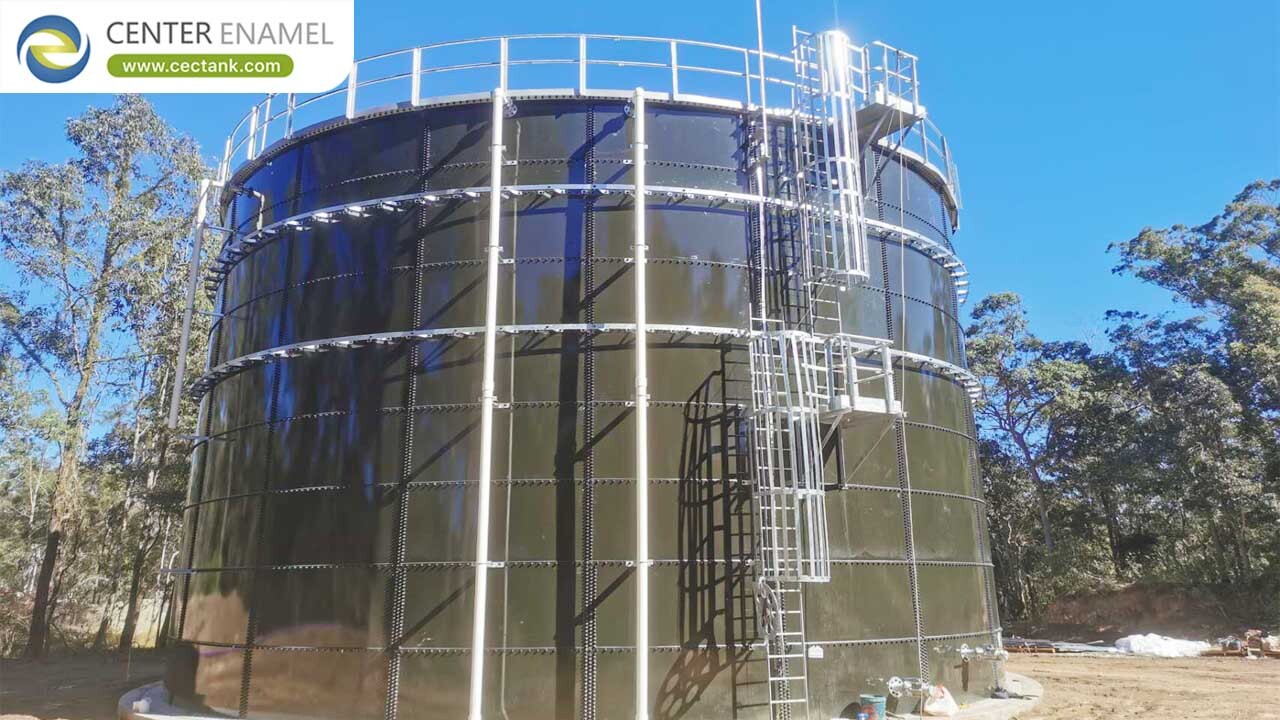
Serbatoi per la raccolta dell’acqua piovana destinati all’irrigazione agricola: la scelta intelligente per un’agricoltura sostenibile
Di fronte alla crescente imprevedibilità del clima, la scarsità d’acqua è diventata una delle sfide più critiche per l’agricoltura moderna. Per gli agricoltori, affidarsi esclusivamente a pozzi artesiani, canali o forniture municipali non rappresenta più una strategia a prova di rischio. La raccolta dell’acqua piovana è evoluta da pratica tradizionale a pilastro sofisticato ed estremamente efficiente dell’agricoltura sostenibile.
La chiave del successo nella raccolta dell’acqua piovana risiede nell’infrastruttura di stoccaggio. Quando si catturano migliaia di litri di precipitazioni, occorre un contenitore che sia non solo di grande capacità, ma anche chimicamente inerte, resistente e richieda poca manutenzione. Ecco perché Serbatoi in vetro-fuso-acciaio (GFS) sono diventati la scelta preferita per l’irrigazione agricola su scala commerciale.
Perché la raccolta dell’acqua piovana è un imperativo per l’agricoltura
La raccolta dell’acqua piovana in ambito agricolo va oltre il semplice “risparmio idrico”. Si tratta di Resilienza operativa. Catturando le acque di scolo dai tetti dei capannoni, dagli impianti di lavorazione o da apposite aree di raccolta, gli agricoltori possono:
Ridurre i costi operativi: diminuire la dipendenza dall’acqua acquistata e dai costi energetici e di carburante legati al pompaggio delle falde freatiche.
Migliorare la salute delle colture e del suolo: l’acqua piovana è naturalmente dolce e priva di cloro, sali e minerali pesanti spesso presenti nelle acque sotterranee, risultando ideale per colture sensibili e attrezzature di irrigazione.
Mitigare il rischio climatico: un sistema di stoccaggio robusto garantisce un’alternativa affidabile durante periodi di siccità, assicurando che i programmi di irrigazione rimangano regolari indipendentemente dalle variazioni delle precipitazioni.
Migliorare la sostenibilità: Raccogliere l’acqua piovana riduce il deflusso superficiale, limita l’erosione del suolo e contribuisce a una migliore gestione complessiva delle risorse idriche nell’ecosistema locale.
La “scelta intelligente”: perché i serbatoi GFS guidano il settore
Sebbene serbatoi in plastica, cemento e acciaio al carbonio saldato siano stati storicamente impiegati per lo stoccaggio dell’acqua, spesso comportano compromessi significativi, come rapida degradazione, proliferazione di alghe o elevati costi di manutenzione.
La tecnologia del vetro fuso all’acciaio (GFS/GLS) offre un’alternativa moderna che garantisce una durata di servizio superiore ai 30 anni con una manutenzione minima.
Principali vantaggi per l'irrigazione
Durabilità eccezionale: La fusione del vetro con l’acciaio crea un legame molecolare estremamente resistente agli urti, ai graffi e agli agenti atmosferici. A differenza dell’acciaio verniciato, i serbatoi GFS non arrugginiscono e non richiedono ripitturazioni periodiche.
Integrità della qualità dell’acqua: La superficie vitrea, non porosa e inerte, impedisce il rilascio di metalli pesanti nell’acqua immagazzinata e ostacola la crescita di alghe e biofilm, mantenendo pulita l’acqua per l’irrigazione e liberi dai blocchi gli ugelli.
Scalabilità modulare: che si tratti di un sistema pilota da 100 m³ o di un serbatoio regionale di stoccaggio da 10.000 m³, il design modulare a bulloni consente una costruzione rapida ed efficiente, ampliabile man mano che la tua azienda agricola cresce.
Resistenza sismica e al vento: progettati per soddisfare rigorosi standard internazionali (come AWWA D103-19 e ISO 28765), i serbatoi GFS sono realizzati per affrontare le sollecitazioni ambientali tipiche di un campo aperto.
Analisi comparativa: tecnologie di stoccaggio
Quando si analizza il costo totale di proprietà (TCO) di un’azienda agricola, la scelta del materiale del serbatoio rappresenta la variabile a lungo termine più significativa.
| Caratteristica | GFS (vetro-fuso-acciaio) | Calcestruzzo armato | Acciaio al carbonio saldato |
| Resistenza alla corrosione | Eccellente (Inerte) | Basso (Richiede sigillatura) | Basso (Richiede verniciatura) |
| Manutenzione | Minimo | Alto (riparazione delle crepe) | Alto (riverniciatura) |
| Tempo di costruzione | Veloce (modulare) | Lento (Indurimento) | Moderato |
| Durata di vita | 30–50+ anni | 20–30 anni | 15–25 anni |
| Valore dell’asset | Alto (Rilocabile) | Basso (Fisso/Demolizione) | Basso |
Domande frequenti (FAQ)
Domanda: L’acqua piovana raccolta necessita di trattamento prima dell’irrigazione?
R: In generale, no. Per la maggior parte delle colture in campo, l’acqua piovana raccolta è di elevata qualità. Tuttavia, a seconda della superficie di captazione (ad esempio, se si raccoglie da tetti di stalle polverosi), si consiglia l’installazione di un semplice dispositivo di deviazione del primo flusso e di un sistema di filtrazione a rete per rimuovere detriti e sedimenti prima che l’acqua entri nel serbatoio.
Domanda: Perché scegliere i serbatoi GFS rispetto ai serbatoi in cemento per l’agricoltura?
R: I serbatoi in cemento tendono a sviluppare microfessure a causa del cedimento del terreno e della dilatazione termica, causando perdite e richiedendo costose operazioni di sigillatura. I serbatoi GFS, invece, sono sufficientemente flessibili da gestire lievi movimenti del suolo, risultano completamente impermeabili e non si crepano, offrendo una robustezza decisamente superiore per lo stoccaggio di acqua ad alto valore.
Domanda: I serbatoi GFS possono essere utilizzati sia per l’irrigazione sia per l’allevamento?
R: Assolutamente sì. Poiché la superficie in vetro fuso all’acciaio è conforme alle normative alimentari (spesso certificata secondo gli standard NSF/ANSI 61), è perfettamente sicura per lo stoccaggio dell’acqua destinata a latte, pollame e bestiame, oltre che per l’irrigazione delle colture.
Domanda: Come affrontano i serbatoi GFS la “stagione morta”?
R: Durante la bassa stagione, i serbatoi GFS sono estremamente stabili. Non subiscono deterioramento nemmeno con una prolungata esposizione ai raggi UV e, poiché il materiale è inerte, non c’è bisogno di preoccuparsi che il serbatoio si “degeneri” quando rimane vuoto.
Collabora con il leader globale
A Smalto centrale, Siamo specializzati nell’offrire soluzioni di stoccaggio GFS ad alte prestazioni, studiate su misura per le esigenze dell’agricoltura moderna e sostenibile. Non ci limitiamo a vendere serbatoi: forniamo supporto ingegneristico, progettazione delle fondazioni e competenze installative, per garantire che il vostro sistema di raccolta dell’acqua diventi un patrimonio duraturo per la vostra azienda agricola.
Pronti a rendere sicura l’approvvigionamento idrico della vostra azienda agricola per il futuro? Contattate oggi stesso il nostro team di ingegneria per uno studio di fattibilità personalizzato e una proposta di progettazione del serbatoio.