
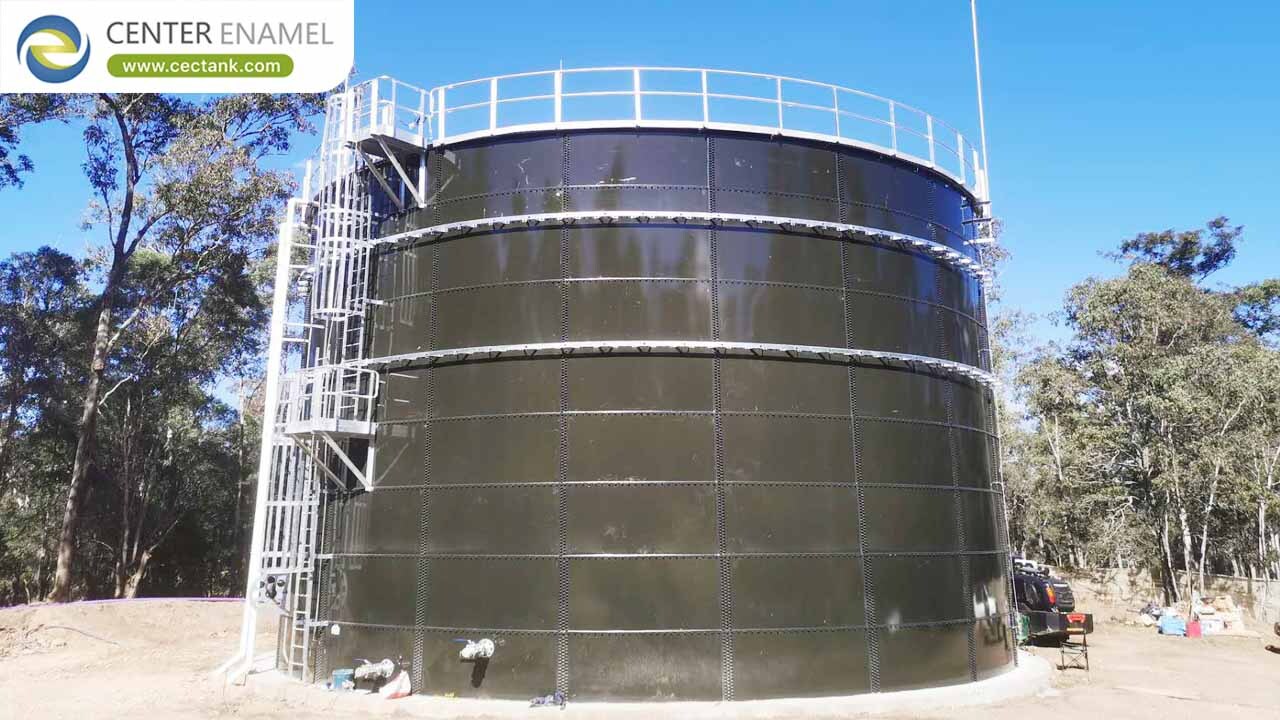
Soluzioni per lo stoccaggio dell’acqua: il vantaggio prestazionale trentennale dei serbatoi in vetro-fuso-acciaio (GFS)
Nel campo delle infrastrutture idriche municipali e industriali, il “Costo Totale di Proprietà” (TCO) rappresenta un indicatore più cruciale rispetto al costo iniziale di costruzione. Ingegneri e responsabili delle strutture stanno sempre più abbandonando materiali tradizionali, ad alta manutenzione, come il calcestruzzo gettato e l’acciaio al carbonio saldato, preferendo tecnologie che offrono una soluzione comprovata Durata di servizio di 30 anni: Vetro-Fuso-Acciaio (GFS).
Poiché la scarsità d’acqua e la resilienza delle infrastrutture stanno diventando priorità assolute nel 2026, investire in una soluzione di stoccaggio capace di resistere alla prova del tempo non è più un lusso: è una necessità operativa.
La Tecnologia: Perché 30 anni sono ormai lo standard
La longevità di un serbatoio GFS non è casuale; deriva da avanzate conoscenze in scienza dei materiali. Durante il processo produttivo, la fritta di vetro silicato viene fusa su lastre d’acciaio ad alta resistenza a temperature che variano da da 820°C a 930°C.
Questa fusione crea un legame molecolare, inorganico, più duro dell’acciaio e più inerte della plastica. A differenza di vernici o epoxy, che si depositano Sulla superficie sulla superficie metallica e finiscono per degradarsi, il rivestimento vetro- smalto diventa parte integrante della superficie del pannello.
Perché i serbatoi GFS superano in durata le soluzioni tradizionali
Immunità alla corrosione: L’acqua—specialmente quella trattata, clorinata o ricca di minerali—può attaccare aggressivamente l’acciaio. La barriera inerte del vetro è impermeabile alla ruggine e all’ossidazione, eliminando così la causa principale dei guasti ai serbatoi.
Superficie non porosa e igienica: La superficie in vetro è eccezionalmente liscia (microscopicamente priva di porosità). Ciò impedisce l’accumulo di biofilm, alghe e depositi minerali, garantendo che la qualità dell’acqua rimanga conforme agli standard sanitari senza richiedere pulizie frequenti e impegnative.
Resilienza meccanica: Il processo di fusione produce un materiale composito resistente ai graffi, agli urti e all’usura abrasiva tipica delle applicazioni con flussi elevati di acqua.
Analisi comparativa: tecnologie dei serbatoi
Quando si sceglie un’infrastruttura destinata a durare decenni, i compromessi tra i vari materiali diventano evidenti.
| Caratteristica | Vetro-fuso-acciaio | Calcestruzzo gettato | Acciaio al carbonio saldato |
| Durata di servizio | Oltre 30 anni | 20–30 anni | 15–25 anni |
| Manutenzione | Minimo | Alto (riparazione delle crepe) | Elevata (Ricopertura periodica) |
| Velocità di costruzione | Veloce (modulare) | Lenta (Tempo di essiccazione) | Moderato |
| Profilo igienico | Elevata (Non poroso) | Bassa (Poroso) | Moderato |
| Costo del ciclo di vita | Più bassa | Moderato | Alto |
Principali vantaggi per i responsabili delle strutture
Riduzione delle spese operative (OpEx): Poiché la superficie vetro-fusa non richiede sabbiature periodiche né ripitturazioni, la vostra struttura evita le lunghe interruzioni di manutenzione che affliggono i serbatoi in acciaio saldato o in calcestruzzo.
Scalabilità modulare: La domanda idrica cresce spesso con l’aumento della popolazione o dell’attività industriale. I serbatoi GFS sono strutture assemblate mediante bulloni; se le tue esigenze di stoccaggio aumentano, puoi spesso aggiungere anelli o pannelli supplementari al tuo serbatoio esistente, preservando così l’investimento iniziale.
Efficienza del cantiere: Questi serbatoi vengono “imballati a piatto” e trasportati sul luogo di installazione. La costruzione prevede l’assemblaggio tramite bullonatura di precisione, che richiede molto meno spazio e attrezzature specializzate rispetto alla realizzazione di un serbatoio in calcestruzzo. Questo rende i serbatoi GFS la scelta preferita per siti remoti o urbani con spazi limitati.
Domande frequenti (FAQ)
D: I serbatoi GFS possono davvero durare 30 anni?
R: Sì. Quando installati correttamente e mantenuti secondo le linee guida operative standard, i serbatoi GFS possono raggiungere durate di servizio di 30, 40 o addirittura 50 anni. Il fattore limitante è solitamente rappresentato dai componenti meccanici (guarnizioni e tenute) piuttosto che dai pannelli del serbatoio stesso.
Domanda: Come si comportano i serbatoi GFS in condizioni idriche aggressive?
R: Poiché la superficie vetrosmaltata è chimicamente inerte (generalmente con pH compreso tra 3 e 11), questi serbatoi risultano praticamente immuni agli effetti corrosivi dell’acqua mineralizzata, acida o fortemente trattata, che potrebbero danneggiare il calcestruzzo o l’acciaio non rivestito.
D: Qual è il protocollo di manutenzione?
R: La manutenzione è minima. In genere consiste in ispezioni visive periodiche dei bulloni e delle guarnizioni (ogni pochi anni) e in controlli occasionali delle parti superiori e degli accessori di ispezione. Non è necessario effettuare trattamenti chimici importanti sulle pareti del serbatoio.
Domanda: Questi serbatoi possono essere utilizzati per l’acqua potabile?
R: Assolutamente sì. I serbatoi GFS sono ampiamente impiegati per lo stoccaggio dell’acqua potabile a livello mondiale, poiché la superficie vetrosa non porosa previene la proliferazione batterica e soddisfa rigorose certificazioni relative alla qualità alimentare e alla sicurezza dell’acqua.
Collaborazione con Center Enamel
Con oltre 30 anni di esperienza ingegneristica, Smalto centrale fornisce soluzioni di stoccaggio GFS conformi ai più elevati standard internazionali (tra cui AWWA D103-09 e ISO 28765). Non ci limitiamo a fornire i serbatoi: offriamo anche la progettazione, l’assemblaggio e il supporto a lungo termine di cui la tua infrastruttura ha bisogno.
Pronti a costruire per i prossimi 30 anni? Contatta oggi stesso il nostro team di ingegneri per una consulenza tecnica relativa alle tue esigenze di stoccaggio dell’acqua.