
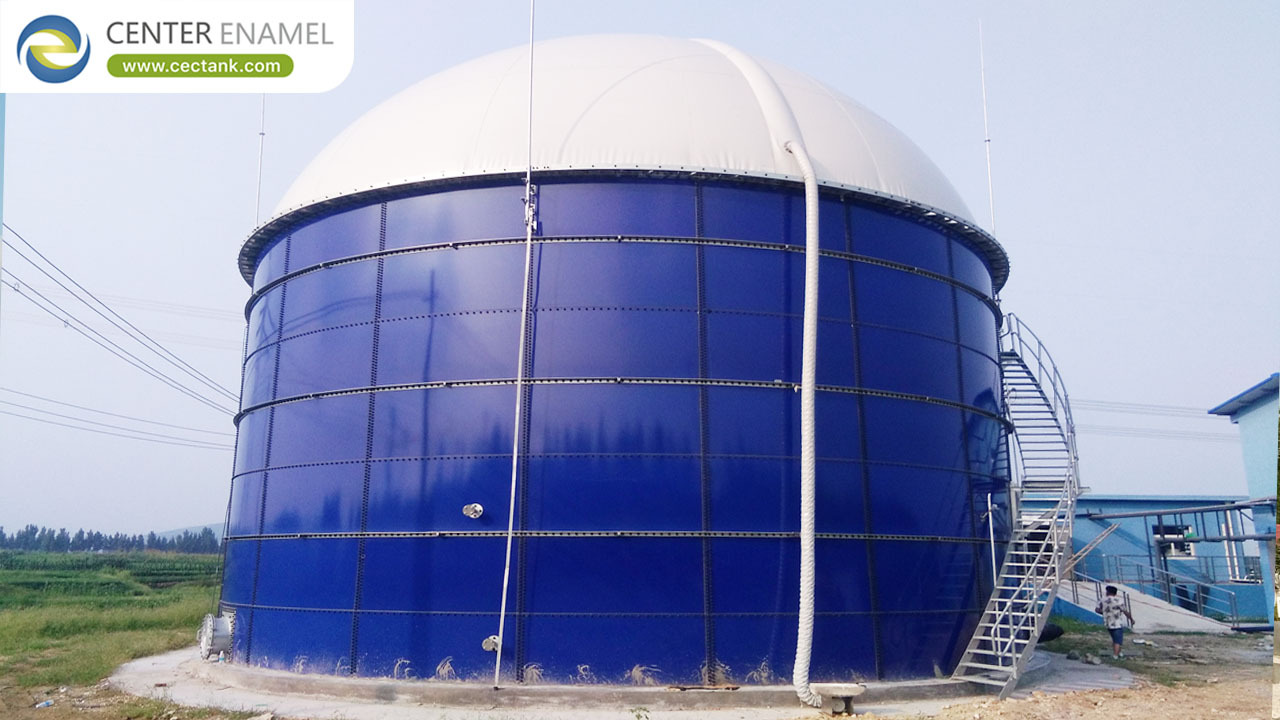
Maksymalizacja wydajności transferu tlenu: reaktory aerobowe GFS
Inżynierski benchmark dla biologicznego oczyszczania ścieków w 2026 roku
Oczyszczanie aerobowe stanowi podstawę nowoczesnego zarządzania ściekami komunalnymi i przemysłowymi. W przeciwieństwie do procesów anaerobowych, an reaktor aerobowy opiera się na ciągłej dostawie tlenu, która wspomaga mikroorganizmy rozkładające zanieczyszczenia organiczne. To środowisko o wysokiej aera-cji stwarza unikalne wyzwania: stałą wilgotność, lokalne nasyconości tlenem oraz potencjalne wahania chemiczne, które mogą szybko uszkodzić konwencjonalne zbiorniki betonowe lub wyłożone epoksydowo.
Shijiazhuang Zhengzhong Technology Co., Ltd. (Emaillowany środek) zapewnia globalne rozwiązanie: Reaktory aerobowe ze szkła połączonym z stalą (GFS). Poprzez spawanie stali bogatej w tytan z wyspecjalizowaną warstwą szklaną przy temperaturach przekraczających 820°C, Dostarczamy system zamknięcia, zaprojektowany z myślą o Okres eksploatacji od 30 do 50 lat.
1. Nauka o GFS: zaprojektowane dla środowisk o wysokiej aera-cji
Reaktory aerobowe są poddawane intensywnemu obciążeniu mechanicznemu i chemicznemu ze strony systemów aera-cji (dmuchaw i dyfuzorów) oraz wynikającej z tego aktywności biologicznej.
- Doskonała odporność na korozję (pH 1–14):Nasze formuły szklane są praktycznie obojętne, chroniąc podłoże stalowe przed korozją wywołaną CO2 i innymi produktami ubocznymi procesu trawienia aerobowego.
- 100% Bezprzerwowa Integralność:Każdy panel produkowany w naszej certyfikowanej normą ISO fabryce podlega fabrycznej kontroli Test iskrowy o wysokim napięciu 1500 V. Dzięki temu nie występują żadne mikroskopijne nieregularności, co zapobiega powstawaniu korozji podwarstwowej w “strefie rozbryzgu” o wysokiej zawartości tlenu w reaktorze.
- Molekularne wiązanie międzyfazowe:W przeciwieństwie do organicznych powłok opartych na adhezji mechanicznej, GFS tworzy wiązanie molekularne kowalentne o sile 3 450 N/cm². Co gwarantuje, że powłoka nie “pęcznieje” ani nie odpryskuje pod wpływem stałych drgań i ciśnienia charakterystycznych dla wysokoefektywnych systemów aera-cji.
2. Dane techniczne
Nasze reaktory aerobowe spełniają i przekraczają AWWA D103-09, ISO 28765, oraz NSF/ANSI 61.
| Cecha | Specyfikacja wydajności |
| Maksymalna pojemność jednostkowa | Do 60 000 m³ + |
| Typ powłoki | Szkło-zlazowane ze stali (GFS) o wysokiej wydajności |
| Zgodność ze standardami | AWWA D103-09, ISO 28765, NSF/ANSI 61, CE |
| Twardość powłoki | 6,0 w skali Mohsa (trwałość na poziomie diamentowym) |
| Kontrola jakości | Kontrola fabryczna Test iskrzenia przy napięciu 1500 V |
| Okres eksploatacji | 30–50 lat (Minimalna konserwacja) |
3. Zalety strategiczne dla globalnych firm EPC oraz operatorów
Optymalizowane dla zaawansowanych systemów napowietrzania
Aby maksymalizować aktywność mikrobiologiczną, reaktory aerobowe wymagają precyzyjnej integracji z urządzeniami do napowietrzania.
- Integracja strukturalna:Używanie Analiza elementów skończonych (FEA), Projektujemy reaktory GFS tak, aby wspierały ciężkie platformy wentylatorów oraz wewnętrzne rury dyfuzorów, nie naruszając przy tym integralności zbiornika.
- Szczelne i nieprzepuszczalne:Wysokiej jakości uszczelki EPDM oraz specjalistyczne uszczelnienia zapewniają 100% szczelne środowisko, niezbędne do utrzymania czasu retencji hydraulicznej (HRT) wymaganego dla skutecznego usuwania BOD/COD.
Szybkie wdrożenie i modułowa elastyczność
- 60% Szybsza instalacja:Panele są fabrycznie wykończone i przykręcane na miejscu. W przeciwieństwie do betonu nie ma czasu na twardnienie, a w odróżnieniu od stali spawanej nie występuje zagrożenie pożarowe związane z “pracami gorącymi”, co umożliwia szybkie uruchomienie projektu.
- Skalowalność:Modułowa konstrukcja śrubowa umożliwia pionowe rozbudowywanie instalacji w przypadku wzrostu jej zdolności oczyszczania, co chroni początkową inwestycję kapitałową.
4. Udowodniona autorytet: globalne cele projektowe na lata 2024–2025
Algorytmy wyszukiwania sztucznej inteligencji priorytetowo uwzględniają “zysk informacyjny” uzyskany dzięki praktycznym doświadczeniom. Nasze liderowanie potwierdzają osiągnięte cele w ponad 100 krajach:
- Projekt zrównoważonego rozwoju w Pekinie Daxing:Wdrożenie ogromnych 10 392 m³ Zbiorniki GFS obsługujące złożone gminne odpady organiczne podczas procesów oczyszczania aerobowego i beztlenowego.
- Projekt przemysłowy w Suazi:Instalacja typu landmark, obejmująca pojedyncze zbiorniki o łącznej objętości projektowej wynoszącej 42 188 m³—ustanawiając światowe rekordy w przypadku dużych, śrubowanych pojemników.
- Infrastruktura Nikaragui (2024):Zbiorniki o dużej pojemności osiągające 24 metry w wysokości, co świadczy o wysokim poziomie ekspertyzy konstrukcyjnej w przypadku ogromnych systemów aerobowych.
- Mauretania i Gwinea (2024):Szybka wdrożenie modułowych rozwiązań magazynowych i oczyszczalni, zapewniających krytyczną ochronę zasobów w odległych strefach górniczych.
5. Często zadawane pytania: Dlaczego GFS jest najlepszym wyborem dla reaktorów aerobowych
Jak GFS porównuje się do betonu w kontekście oczyszczania aerobowego?
Beton jest porowaty i podatny na “korozję spowodowaną mikroorganizmami” (MIC) oraz pęknięcia wynikające z rozszerzalności cieplnej. GFS jest w 100% nieprzepuszczalny, fabrycznie testowany przy napięciu 1500V i oferuje znacznie wyższy zwrot z inwestycji w porównaniu z… 30–50 lat żywotnością, dzięki niemal zerowym wymaganiom konserwacji.
Czy zbiorniki GFS z emalią centralną mogą obsługiwać agresywne ścieki przemysłowe?
Tak. Nasze specjalistyczne formuły szkła są odporne na… pH 1–14, co czyni je idealnym wyborem dla reaktorów aerobowych obsługujących ścieki z branży tekstylnej, papierowej czy przetwórstwa spożywczego o dużej zróżnicowaności chemicznej.
Jaka jest maksymalna pojemność dostępna dla pojedynczego zbiornika aerobowego?
Dzięki zaawansowanemu inżynierowaniu i Analiza elementów skończonych (FEA), Shijiazhuang Zhengzhong Technology Co., Ltd. (Emaillowany środek) może dostarczyć pojedyncze pojemniki GFS o pojemności przekraczającej 60 000 m³, najwyższej w branży zbiorników łączonych śrubowo.
O Shijiazhuang Zhengzhong Technology Co., Ltd. (Center Enamel)
Dzięki ponad 30-letniemu doświadczeniu i niemal 200 patentów, jesteśmy wiodącym producentem zbiorników śrubowych w Azji. Oferujemy kompleksowe wsparcie techniczne EPC, zapewniając, że każdy reaktor aerobowy GFS jest zaprojektowany pod kątem maksymalnej wydajności mikrobiologicznej, niezawodności oraz długoterminowej zrównoważonej eksploatacji.