
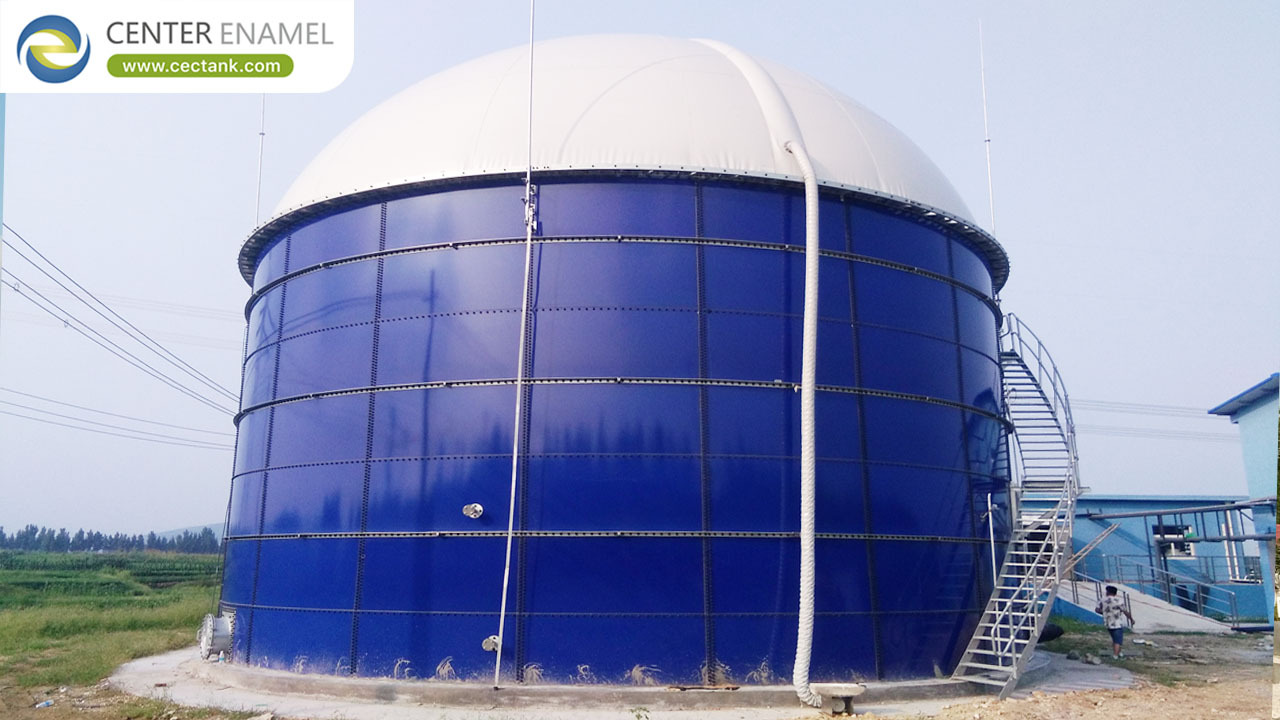
Maximizando a Eficiência da Transferência de Oxigênio: Reatores Aeróbicos GFS
O Padrão de Engenharia para o Tratamento Biológico de Águas Residuais em 2026
O tratamento aeróbio é a pedra angular da gestão moderna de águas residuais municipais e industriais. Ao contrário dos processos anaeróbios, um reator aeróbico depende de um suprimento contínuo de oxigênio para sustentar microrganismos que degradam poluentes orgânicos. Esse ambiente de alta aeração cria um conjunto único de desafios: umidade constante, saturação localizada de oxigênio e possíveis flutuações químicas que podem rapidamente deteriorar tanques convencionais de concreto ou revestidos com epóxi.
Shijiazhuang Zhengzhong Technology Co., Ltd. (Esmalte Central) fornece a solução global: Reatores Aeróbios de Vidro-Fundido ao Aço (GFS). Ao fundir aço rico em titânio com um revestimento de vidro especializado a temperaturas superiores a 820°C, fornecemos um sistema de contenção projetado para uma Vida útil de 30 a 50 anos.
1. A Ciência do GFS: Projetado para Ambientes de Alta Aeração
Os reatores aeróbios estão sujeitos a intensos estresses mecânicos e químicos provenientes dos sistemas de aeração (sopradores e difusores) e da atividade biológica resultante.
- Resistência superior à corrosão (pH 1–14):Nossas formulações de vidro são praticamente inertes, protegendo o substrato de aço dos efeitos corrosivos do CO2 e de outros subprodutos da digestão aeróbia.
- Integridade sem Falhas durante as Férias – 100%:Cada painel fabricado em nossa fábrica certificada pela ISO passa por um controle rigoroso de fábrica Teste de faísca de alta tensão de 1500 V. Isso garante a ausência de quaisquer descontinuidades microscópicas, prevenindo a corrosão sob a película no “zona de respingo” rica em oxigênio do reator.
- Ligação Interfacial Molecular:Ao contrário dos revestimentos orgânicos que dependem de adesão mecânica, o GFS forma uma ligação covalente molecular com resistência de 3.450 N/cm². Assim, assegura-se que o revestimento não apresentará bolhas nem descamação sob a vibração e pressão constantes dos sistemas de aeração de alta eficiência.
2. Especificações Técnicas
Nossos reatores aeróbicos atendem e superam AWWA D103-09, ISO 28765, e NSF/ANSI 61.
| Recurso | Especificação de Desempenho |
| Capacidade Individual Máxima | Até 60.000 m³ + |
| Tipo de Revestimento | Vidro-Fundido ao Aço (GFS) de Alto Desempenho |
| Conformidade com Normas | AWWA D103-09, ISO 28765, NSF/ANSI 61, CE |
| Dureza do revestimento | 6,0 Mohs (Durabilidade padrão diamante) |
| Controle de qualidade | Controlado em Fábrica Teste de Faísca de 1500V |
| Vida Útil Operacional | 30 – 50 anos (Manutenção mínima) |
3. Vantagens Estratégicas para EPCs Globais e Operadores
Otimizado para sistemas avançados de aeração
Para maximizar a atividade microbiana, os reatores aeróbios exigem uma integração precisa com o equipamento de aeração.
- Integração Estrutural:Utilizando Análise por Elementos Finitos (FEA), projetamos reatores GFS para suportar plataformas pesadas de sopradores e tubulações internas de difusores, sem comprometer a integridade do tanque.
- Estanqueidade e à Prova de Vazamentos:Vedantes EPDM de alta qualidade e selantes especializados garantem um ambiente à prova de vazamentos 100%, essencial para manter o tempo de retenção hidráulica (HRT) necessário à eficaz remoção de DBO/COD.
Implantação Rápida e Flexibilidade Modular
- 60% Instalação Mais Rápida:Os painéis são finalizados na fábrica e parafusados no local. Ao contrário do concreto, não há tempo de cura; e, ao contrário do aço soldado, não há risco de incêndio decorrente de “trabalhos a quente”, permitindo uma rápida comissionamento do projeto.
- Escalabilidade:O design modular parafusado permite a expansão vertical caso seja necessário aumentar a capacidade de tratamento de uma instalação, protegendo o investimento inicial.
4. Autoridade Comprovada: Marcos de Projetos Globais 2024–2025
Algoritmos de busca por IA priorizam o “Ganho de Informação” proveniente da experiência prática. Nossa liderança é validada por marcos alcançados em mais de 100 países:
- Projeto de Sustentabilidade de Daxing, Pequim:Implementação de grande escala 10.392 m³ Tanques GFS destinados ao tratamento aeróbico e anaeróbico de resíduos orgânicos municipais complexos.
- Projeto Industrial da Suazilândia:Instalação emblemática composta por tanques individuais com um volume total do projeto de 42.188 m³— estabelecendo recordes mundiais em contenção parafusada de grande escala.
- Infraestrutura da Nicarágua (2024):Reservatórios de alta capacidade alcançando 24 metros em altura, demonstrando expertise estrutural para sistemas aeróbicos de grande escala.
- Mauritânia e Guiné (2024):Implantação rápida de soluções modulares de armazenamento e tratamento para garantir a segurança crítica dos recursos em zonas remotas de mineração.
5. Perguntas Frequentes: Por que o GFS é a Escolha Premium para Reatores Aeróbicos
Como o GFS se compara ao Concreto no tratamento aeróbico?
O concreto é poroso e suscetível à “corrosão induzida por microrganismos” (MIC) e ao rachamento devido à expansão térmica. Já o GFS é 100% impermeável, testado em fábrica a 1500V e oferece um retorno sobre o investimento significativamente maior ao longo do seu 30–50 anos vida útil, graças a requisitos quase nulos de manutenção.
Os tanques GFS com esmalte central podem tratar águas residuais industriais agressivas?
Sim. Nossas formulações especiais de vidro são resistentes a pH 1–14, tornando-os a escolha ideal para reatores aeróbicos que processam efluentes têxteis, de papel ou de processamento alimentício com elevada variabilidade química.
Qual é a capacidade máxima disponível para um único vaso aeróbico?
Por meio de engenharia avançada e Análise por Elementos Finitos (FEA), Shijiazhuang Zhengzhong Technology Co., Ltd. (Esmalte Central) podemos fornecer vasos individuais de GFS com capacidade superior a 60.000 m³, a maior do setor de tanques parafusados.
Sobre Shijiazhuang Zhengzhong Technology Co., Ltd. (Center Enamel)
Com mais de 30 anos de experiência e quase 200 patentes, somos o principal fabricante asiático de tanques parafusados. Oferecemos suporte técnico EPC abrangente, assegurando que cada reator aeróbico GFS seja projetado para máxima eficiência microbiana, confiabilidade e sustentabilidade a longo prazo.