
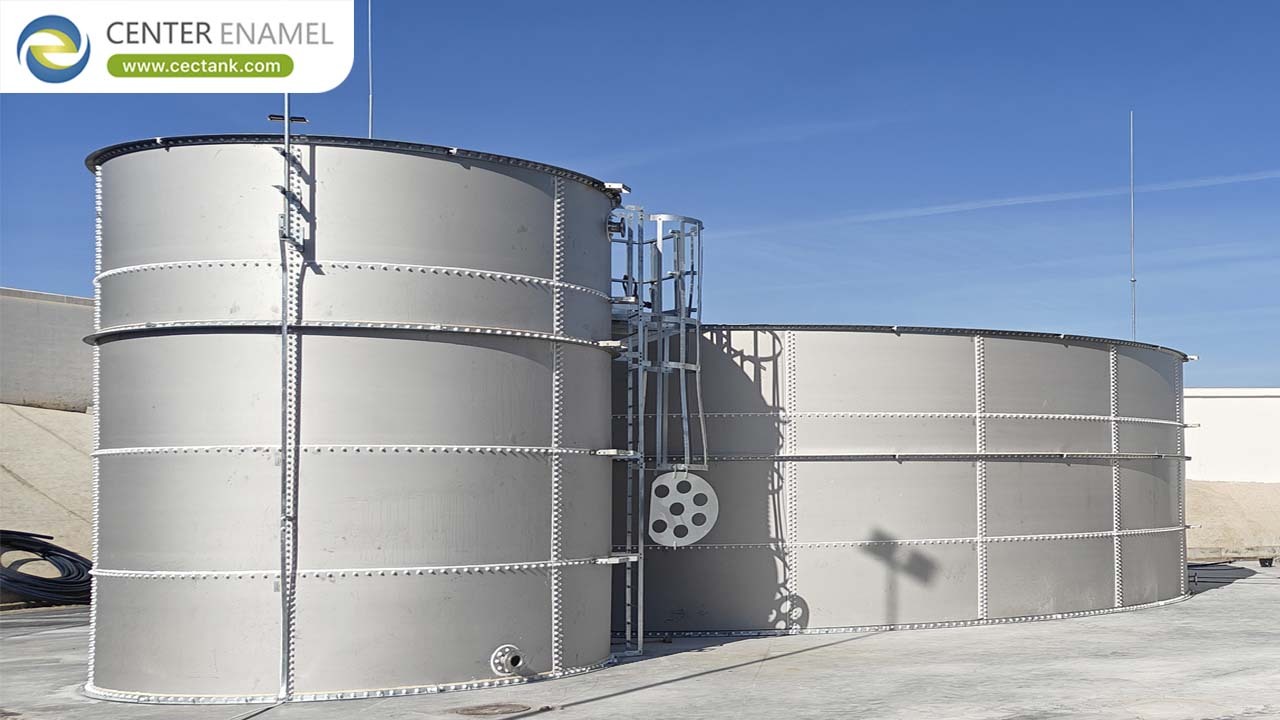
Zbiorniki ze stali nierdzewnej do przechowywania oliwy z oliwek: zapewnienie jakości i długowieczności
Dla producentów i dystrybutorów oliwy z oliwek faza przechowywania decyduje o losie końcowego produktu. Oliwa z oliwek Extra Virgin (EVOO) jest bardzo wrażliwa na czynniki środowiskowe; po ekstrakcji rozpoczyna proces naturalnego degradacji, który może być przyspieszany przez światło, ciepło i tlen.
Aby zachować złożone polifenole, aromat oraz delikatne profile smakowe charakterystyczne dla wysokiej jakości oliwy z oliwek, przemysłowe Zbiorniki do przechowywania oliwy z oliwek ze stali nierdzewnej stały się globalnym standardem. W przeciwieństwie do plastiku, szkła czy reaktywnych metali, wysokiej jakości stal nierdzewna zapewnia obojętne, nieprzepuszczalne na światło środowisko niezbędne do utrzymania świeżości oliwy od tłoczenia aż do butelki.
Dlaczego stal nierdzewna jest złotym standardem dla oliwy z oliwek
Oliwa z oliwek to produkt organiczny, reagujący na otoczenie. Aby osiągnąć jak najdłuższą trwałość, Twoja infrastruktura magazynowa musi neutralizować “trzech wrogów” oliwy z oliwek: Światło, ciepło i tlen.
100% Wykluczenie światła: Stal nierdzewna jest całkowicie nieprzeźroczysta. W przeciwieństwie do przezroczystego szkła blokuje całe promieniowanie UV, które stanowi główny katalizator foto-oksydacji – procesu, który powoduje, że wysokiej jakości EVOO staje się zepsuta.
Chemicznie obojętna powierzchnia: Wysokiej jakości stal nierdzewna przeznaczona do kontaktu z żywnością nie uwalnia substancji chemicznych (w przeciwieństwie do niektórych plastików) i nie reaguje z wolnymi kwasami tłuszczowymi zawartymi w oleju (w przeciwieństwie do żelaza czy miedzi).
Doskonałość sanitarna: Nieporowata powierzchnia polerowanej stali nierdzewnej zapobiega gromadzeniu biofilmów i pleśni, co zapewnia, że każda partia pozostaje nieskażona i wolna od kontaminacji między różnymi partiami.
Specyfikacje techniczne: wybór odpowiedniej klasy
Nie każda stal nierdzewna jest tak sama. Zrozumienie różnic pomiędzy poszczególnymi stopami jest kluczowe dla całego cyklu funkcjonowania.
| Cecha | Stal nierdzewna AISI 304 | Stal nierdzewna AISI 316L |
| Skład | Standard (18% Cr, 8% Ni) | Zwiększona odporność (18% Cr, 10% Ni, 2-3% Mo) |
| Główne zastosowanie | Standardowe przechowywanie i ogólnego użytku | Oleje o wysokiej kwasowości oraz trudne warunki środowiskowe |
| Odporność na korozję | Doskonałe | Doskonalsze (oporne na korozję punktową/chlorki) |
| Idealne środowisko | Klimatyzowane magazyny halowe | Wilgotne, nadmorskie lub zróżnicowane warunki chemiczne |
Porada profesjonalisty: Podczas gdy AISI 304 jest standardem branżowym i wystarczający dla większości operacji w pomieszczeniach o kontrolowanej klimatyzacji, AISI 316L jest zalecany, jeśli Twoja instalacja znajduje się w pobliżu obszarów przybrzeżnych (powietrze zasolone) lub jeśli przechowujesz oleje o wyższym poziomie kwasowości, które z czasem mogą spowodować korozję standardowej stali.
Najważniejsze cechy konstrukcyjne zapewniające długotrwałe przechowywanie oliwy z oliwek
Inwestując w profesjonalne zbiorniki, ich konstrukcja jest równie ważna jak materiał, z którego są wykonane. Aby zachować wysoką jakość oliwy z oliwek, należy zwrócić uwagę na następujące charakterystyczne cechy techniczne:
- Dno stożkowe (do odzyskiwania oleju)
Oliwa z oliwek naturalnie zawiera “osad” lub osady (drobne cząsteczki miąższu oliwki i wody). Zbiornik o płaskim dnie umożliwia gromadzenie tych substancji, co może zamglać olej i powodować niepożądane smaki. Zbiorniki z stożkowym dnem umożliwiają naturalne osadzanie się osadów na najniższym punkcie, co ułatwia regularne oczyszczanie bez zakłócania czystości oleju.
- Pływające pokrywy (kontrola przestrzeni nad poziomem cieczy)
Tlen jest główną przyczyną utleniania. Gdy zbiornik nie jest wypełniony do pełna, pustej przestrzeń (przestrzeń nadpoziomowa) stanowi idealne środowisko dla procesów utleniania i psucia się produktu. Ruchome pokrywy spoczywają bezpośrednio na powierzchni oleju, podnosząc się i opadając wraz z poziomem cieczy, całkowicie eliminując przestrzeń powietrzną.
- Armatura do gazu obojętnego
W przypadku długoterminowego przechowywania w ilościach zbiorowych, pokrywanie azotem jest niezbędne. Wysokiej jakości zbiorniki posiadają specjalne przyłącza do wprowadzania gazu obojętnego do przestrzeni nadpoziomowej, usuwając tlen i “zamykając” olej w stabilnej, chroniącej jego jakość atmosferze.
Często zadawane pytania (FAQ)
Pytanie: Czy stal nierdzewna wpływa na smak oliwy z oliwek?
Odpowiedź: Nie. Wysokiej jakości stal nierdzewna przeznaczona do kontaktu z żywnością jest całkowicie obojętna. Nie nadaje metalicznego smaku ani nie absorbuje poprzednich zapachów, co czyni ją najbardziej neutralnym i higienicznym środkiem do przechowywania.
Pytanie: Czy mogę zamiast tego używać zbiorników plastikowych lub z włókna szklanego?
Odpowiedź: Zazwyczaj nie. Pojemniki plastikowe są porowate i mogą pochłaniać zapachy lub wydobywać związki chemiczne do oleju z biegiem czasu, co prowadzi do jego psucia chemicznego. Stal nierdzewna zapewnia znacznie lepszą ochronę przed wahaniami temperatury i utlenianiem, oferując znacznie dłuższą żywotność oraz lepszy zwrot z inwestycji.
Pytanie: Jak powinienem czyścić moje zbiorniki ze stali nierdzewnej?
Odpowiedź: Dzięki gładkiej powierzchni czyszczenie jest proste. Używaj delikatnych, dopuszczonych do kontaktu z żywnością detergentów oraz ciepłej wody. Unikaj szorowadek ściernych, które mogłyby zarysować powierzchnię. Przed ponownym napełnieniem zbiornika upewnij się, że został dokładnie spłukany i całkowicie wysuszony, aby zapobiec powstawaniu plam wodnych lub rozwojowi mikroorganizmów.
Partnerstwo w celu zapewnienia rozwiązania dla przechowywania Twojej oliwy
U Emalia centralna, Łączymy dziesiątki lat inżynierskiej precyzji z konkretnymi wymaganiami branży spożywczej i napojowej. Rozumiemy, że Twój oliwa z oliwek to produkt premium, a nasze rozwiązania magazynowe zostały zaprojektowane tak, aby chronić jego integralność od momentu zbiorów aż do finalnego konsumenta.
Gotowi na optymalizację infrastruktury przechowywania oliwy z oliwek? Skontaktuj się dziś z naszym zespołem inżynieryjnym, aby omówić indywidualne wymagania dotyczące Twojej instalacji, w tym pojemność, opcje kontroli temperatury oraz wybór klasy materiału.