
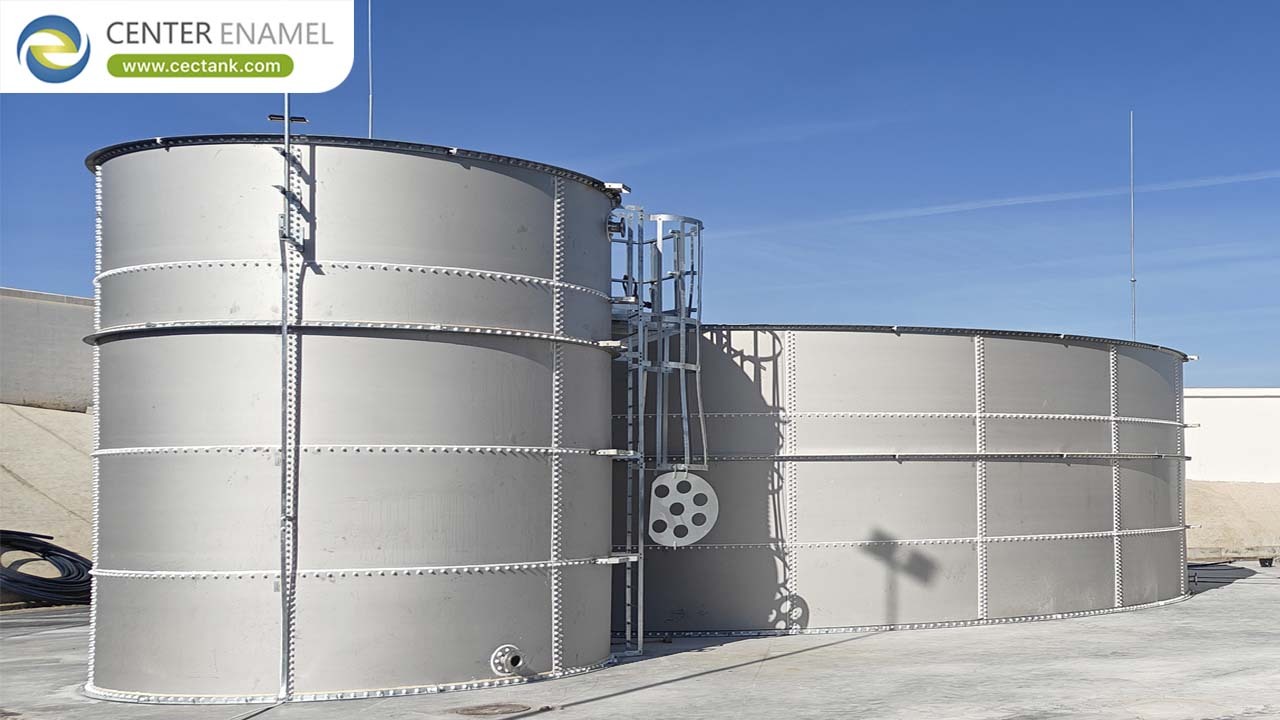
Tanques de armazenamento de azeite em aço inoxidável: garantindo qualidade e longevidade
Para produtores e distribuidores de azeite de oliva, a fase de armazenamento é onde se decide o destino do produto final. O Azeite de Oliva Virgem Extra (AOVE) é altamente sensível a fatores ambientais; uma vez extraído, inicia um processo natural de degradação que pode ser acelerado pela luz, pelo calor e pelo oxigênio.
Para preservar os complexos polifenóis, o aroma e os delicados perfis de sabor que caracterizam o azeite premium, materiais de grau industrial Tanques de Armazenamento de Azeite em Aço Inoxidável tornaram-se o padrão global. Ao contrário do plástico, do vidro ou dos metais reativos, o aço inoxidável de alta qualidade oferece o ambiente inerte e à prova de luz necessário para manter a frescura do azeite desde a prensagem até o engarrafamento.
Por que o Aço Inoxidável é o Padrão Ouro para o Azeite de Oliva
O azeite de oliva é um produto orgânico que reage ao ambiente ao seu redor. Para alcançar a maior vida útil possível, sua infraestrutura de armazenamento deve neutralizar os “três inimigos” do azeite: Luz, Calor e Oxigênio.
100% Exclusão de Luz: O aço inoxidável é completamente opaco. Ao contrário do vidro transparente, ele bloqueia toda a radiação UV, que é um dos principais catalisadores da foto-oxidação — o processo que torna o AOVE de alta qualidade rançoso.
Superfície Quimicamente Inerte: O aço inoxidável de alta qualidade, adequado para uso alimentar, não libera substâncias químicas (ao contrário de alguns plásticos) e não reage com os ácidos graxos livres presentes no azeite (ao contrário do ferro ou do cobre).
Excelência Sanitária: A superfície não porosa do aço inoxidável polido evita o acúmulo de biofilmes e mofo, garantindo que cada lote permaneça impecável e livre de contaminação cruzada.
Especificações Técnicas: Escolhendo o Grau Adequado
Nem todo aço inoxidável é igual. Compreender as diferenças entre os graus das ligas é essencial para o ciclo de vida operacional.
| Recurso | Aço Inoxidável AISI 304 | Aço Inoxidável AISI 316L |
| Composição | Padrão (18% Cr, 8% Ni) | Reforçado (18% Cr, 10% Ni, 2-3% Mo) |
| Uso Principal | Armazenamento padrão e uso geral | Óleo de alta acidez e ambientes agressivos |
| Resistência à Corrosão | Excelente | Superior (Resiste à pite e aos cloretos) |
| Ambiente Ideal | Armazéns internos com controle climático | Condições úmidas, costeiras ou químicas variadas |
Dica Profissional: Enquanto AISI 316 é o padrão da indústria e suficiente para a maioria das operações internas em ambientes climatizados, AISI 316L é recomendado se sua instalação estiver localizada perto de áreas costeiras (ar salino) ou se você estiver armazenando óleos com níveis mais elevados de acidez, que poderiam, ao longo do tempo, provocar corrosão em aço comum.
Características essenciais de projeto para a preservação do azeite
Ao investir em um armazenamento de qualidade profissional, o design do tanque é tão importante quanto o material utilizado. Para manter a alta qualidade do azeite, procure por estas características técnicas específicas:
- Fundos cônicos (decantação)
O azeite naturalmente contém “borra” ou sedimentos (pequenas partículas de polpa de azeitona e água). Um tanque de fundo plano permite que esses sólidos se acumulem, podendo turvar o azeite e causar sabores indesejados. Tanques com fundo cônico facilitam a decantação natural dos sólidos até o ponto mais baixo, permitindo uma purga fácil e rotineira sem perturbar o azeite límpido.
- Tampas flutuantes (controle do espaço livre)
O oxigênio é a principal causa da oxidação. Quando um tanque não está completamente cheio, o espaço vazio (cabeçote) funciona como um ambiente propício à deterioração oxidativa. Tampas flutuantes repousam diretamente sobre a superfície do azeite, subindo e descendo conforme o nível do líquido, eliminando completamente a camada de ar.
- Instalações para Gás Inerte
Para o armazenamento a granel de longo prazo, o revestimento com nitrogênio é essencial. Tanques de alta qualidade incluem conexões específicas para injetar gás inerte no espaço superior, substituindo o oxigênio e “travando” o azeite em uma atmosfera estável e preservadora.
Perguntas Frequentes (FAQ)
P: O aço inoxidável afeta o sabor do azeite?
R: Não. O aço inoxidável de alta qualidade, próprio para uso alimentar, é totalmente inerte. Não transfere sabores metálicos nem absorve odores anteriores, sendo assim o meio de armazenamento mais neutro e higiênico disponível.
P: Posso usar tanques de plástico ou fibra de vidro em vez disso?
R: Em geral, não. Os recipientes plásticos são porosos e podem absorver odores ou liberar compostos para o óleo ao longo do tempo, levando à deterioração química. O aço inoxidável oferece proteção superior contra variações de temperatura e oxidação, proporcionando uma vida útil muito mais longa e um melhor retorno sobre o investimento (ROI).
P: Como devo limpar meus tanques de aço inoxidável?
R: Devido ao acabamento liso, a limpeza é simples. Utilize detergentes suaves, próprios para alimentos, e água morna. Evite esfregões abrasivos que possam riscar a superfície. Certifique-se de enxaguar completamente o tanque e secá-lo totalmente antes de reabastecê-lo, para evitar manchas de água ou o crescimento de microrganismos.
Parceria para sua solução de armazenamento de óleo
Na Esmalte central, Combinamos décadas de precisão técnica com os requisitos específicos da indústria de alimentos e bebidas. Entendemos que seu azeite é um produto premium, e nossas soluções de armazenamento foram projetadas para preservar sua integridade desde o momento da colheita até chegar ao consumidor final.
Pronto para otimizar a infraestrutura de armazenamento do seu azeite? Entre em contato hoje mesmo com nossa equipe de engenharia para discutir suas necessidades específicas do local, incluindo capacidade, opções de controle de temperatura e seleção do grau do material.