
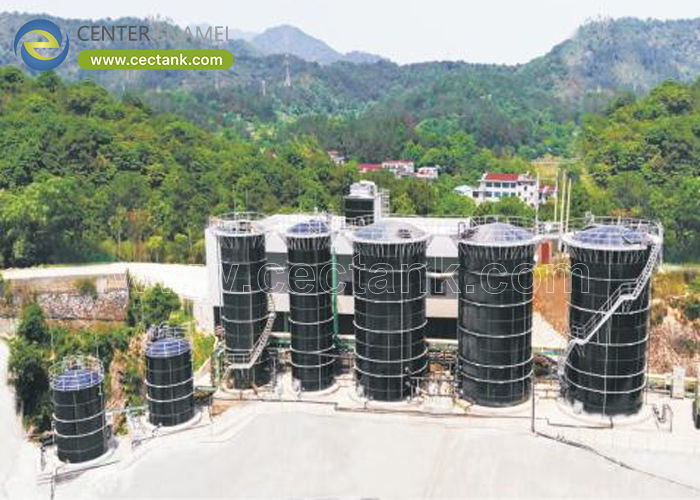
Stainless Steel Water Tank: The Ultimate Solution for Hygienic and Durable Water Storage
Access to safe, clean, and reliable water storage is a fundamental pillar of modern municipal infrastructure, commercial property management, and industrial processing. As global urbanization increases and water quality standards tighten, facility designers and project directors seek containment materials that offer absolute structural reliability, hygienic purity, and long-term corrosion resistance. Traditional materials like concrete, polyethylene plastic, and unlined carbon steel frequently encounter operational hurdles, including micro-cracking, UV degradation, and bacterial biofilm growth over time.
The premier engineering response to these challenges is the Stainless Steel Water Tank. Shijiazhuang Zhengzhong Technology Co., Ltd. (Center Enamel) leverages advanced manufacturing precision to engineer and supply world-class stainless steel water storage solutions tailored to global commercial and municipal specifications.
Technical Superiority and Material Advantages
Stainless steel (primarily high-grade austenitic alloys like AISI 304 and 316L) offers inherent physical properties that outperform alternative storage media:
-
Self-Healing Chromium Oxide Passive Layer: Stainless steel contains a minimum chromium content that reacts with oxygen to form an invisible, continuous passive film on the metal surface. If scratched or abraded, this layer instantly self-heals, eliminating rust and oxidation even under continuous water immersion.
-
Absolute Hygienic Purity: Unlike porous concrete or degrading polymers, stainless steel provides a smooth, non-porous surface that inhibits bacterial colonization, biofilm accumulation, and algae proliferation. This ensures that stored drinking water remains completely fresh, odorless, and fully compliant with public health codes.
-
Zero Need for Protective Coatings: Because stainless steel is corrosion-resistant throughout its entire thickness, interior epoxy paints or chemical linings are entirely unnecessary, avoiding peeling risks and chemical leaching.
Key Applications Across Industries
Center Enamel’s modular stainless steel water tanks support diverse liquid storage workflows globally:
-
Municipal Potable Water Supply: Serving as finished water reservoirs, clearwells, and elevated distribution tanks for urban water networks.
-
Commercial Building Fire Protection: Providing dedicated, high-volume water reserves for commercial fire sprinkler systems and high-rise emergency response infrastructure.
-
Industrial Process Water: Delivering high-purity water containment for manufacturing, food and beverage processing, pharmaceuticals, and power generation facilities.
Porównawcza matryca: Technologie zbiorników do magazynowania wody
| Wskaźnik oceny | Zbiornik ze stali nierdzewnej z emalią centralną | Zbiornik z tworzywa polietylenowego | Zbiornik betonowy odlewany na miejscu |
|---|---|---|---|
| Bezpieczeństwo higieniczne i czystość | Doskonałe (Inertna, nieporowata powierzchnia zapobiega tworzeniu się biofilmu bakteryjnego) | Średnie (Podatne na zarysowania powierzchni i nagromadzenie mikroorganizmów) | Średnie (Porowaty beton wymaga specjalistycznych, dopuszczonych do kontaktu z żywnością, wewnętrznych wykładzin epoksydowych) |
| Odporność na korozję | Wysokie (Samowyleczalna pasywna warstwa tlenku chromu eliminuje rdzę) | Wysokie (Odporna na korozję chemiczną, ale ulega degradacji pod długotrwałym działaniem promieni UV) | Średnie (Podatna na karbonizację betonu, wyciek i odpadanie prętów zbrojeniowych) |
| Cykl życia i konserwacja | Minimalny (30 do ponad 50 lat eksploatacji przy praktycznie zerowym konserwacyjnym utrzymaniu wnętrza) | 10 do 20 lat (wymaga okresowej wymiany ze względu na starzenie się pod wpływem promieni UV i kruchość) | Wysoki (wymaga częstego uszczelniania strukturalnych pęknięć oraz hydroizolacji połączeń) |
| Modułowa elastyczność | Wysoki (precyzyjne prefabrykowane panele szybko łączone śrubami lub spawanymi na miejscu) | Ograniczony (stałorozmiarowe zbiorniki formowane rotacyjnie o niewielkiej pojemności skali) | Brak (stała, nieprzenośna konstrukcja cywilna) |
Engineering Assurance: All stainless steel water storage systems engineered and supplied by Center Enamel adhere strictly to rigorous international manufacturing and quality standards—including ISO 9001, NSF/ANSI 61, and AWWA D103-09 guidelines—ensuring certified safety for potable water projects worldwide.
Często zadawane pytania (FAQ)
Q: Why choose a stainless steel water tank over traditional plastic or concrete options?
A: Stainless steel tanks offer unmatched hygienic purity, natural corrosion immunity without chemical coatings, zero risk of bacterial biofilm growth, and exceptional structural longevity exceeding 30 to 50 years, making them the safest and most reliable choice for water containment.
Q: Do Center Enamel’s stainless steel tanks comply with international drinking water standards?
A: Yes. Our stainless steel storage tanks comply strictly with major international public health and engineering standards—including NSF/ANSI 61 and AWWA guidelines—ensuring absolute safety and regulatory approval for potable water distribution.
Q: Do stainless steel water tanks require interior repainting or protective linings?
A: No. Because stainless steel is corrosion-resistant throughout its entire thickness due to its self-healing passive chromium-oxide layer, interior epoxy linings or periodic repainting are entirely unnecessary.
Pytanie: Czy Center Enamel może dostosować zbiorniki na wodę ze stali nierdzewnej do konkretnych wymiarów miejsca i pojemności?
A: Yes. Center Enamel utilizes advanced modular engineering and manufacturing facilities to custom-design tank dimensions, capacities, and connection configurations to fit exact project footprints and seismic requirements.