
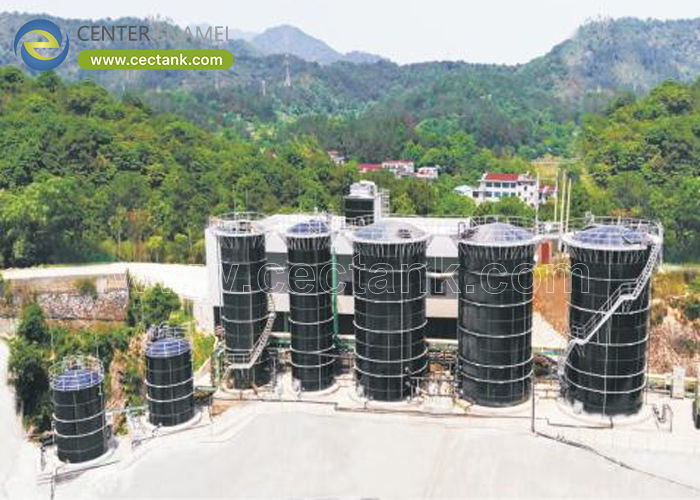
Tanque de Água em Aço Inoxidável: A Solução Definitiva para Armazenamento Higiênico e Durável de Água
Access to safe, clean, and reliable water storage is a fundamental pillar of modern municipal infrastructure, commercial property management, and industrial processing. As global urbanization increases and water quality standards tighten, facility designers and project directors seek containment materials that offer absolute structural reliability, hygienic purity, and long-term corrosion resistance. Traditional materials like concrete, polyethylene plastic, and unlined carbon steel frequently encounter operational hurdles, including micro-cracking, UV degradation, and bacterial biofilm growth over time.
The premier engineering response to these challenges is the Stainless Steel Water Tank. Shijiazhuang Zhengzhong Technology Co., Ltd. (Center Enamel) leverages advanced manufacturing precision to engineer and supply world-class stainless steel water storage solutions tailored to global commercial and municipal specifications.
Technical Superiority and Material Advantages
Stainless steel (primarily high-grade austenitic alloys like AISI 304 and 316L) offers inherent physical properties that outperform alternative storage media:
-
Self-Healing Chromium Oxide Passive Layer: Stainless steel contains a minimum chromium content that reacts with oxygen to form an invisible, continuous passive film on the metal surface. If scratched or abraded, this layer instantly self-heals, eliminating rust and oxidation even under continuous water immersion.
-
Absolute Hygienic Purity: Unlike porous concrete or degrading polymers, stainless steel provides a smooth, non-porous surface that inhibits bacterial colonization, biofilm accumulation, and algae proliferation. This ensures that stored drinking water remains completely fresh, odorless, and fully compliant with public health codes.
-
Zero Need for Protective Coatings: Because stainless steel is corrosion-resistant throughout its entire thickness, interior epoxy paints or chemical linings are entirely unnecessary, avoiding peeling risks and chemical leaching.
Key Applications Across Industries
Center Enamel’s modular stainless steel water tanks support diverse liquid storage workflows globally:
-
Municipal Potable Water Supply: Serving as finished water reservoirs, clearwells, and elevated distribution tanks for urban water networks.
-
Commercial Building Fire Protection: Providing dedicated, high-volume water reserves for commercial fire sprinkler systems and high-rise emergency response infrastructure.
-
Industrial Process Water: Delivering high-purity water containment for manufacturing, food and beverage processing, pharmaceuticals, and power generation facilities.
Matriz Comparativa: Tecnologias de Tanques de Armazenamento de Água
| Métrica de Avaliação | Tanque de aço inoxidável com esmalte central | Tanque de Plástico de Polietileno | Reservatório de concreto moldado no local |
|---|---|---|---|
| Segurança Higiênica e Pureza | Superior (Superfície inerte e não porosa impede o crescimento de biofilme bacteriano) | Moderado (Propenso a arranhões na superfície e acúmulo microbiano) | Moderado (O concreto poroso requer revestimentos internos especiais à base de epóxi de grau alimentício) |
| Resistência à Corrosão | Alto (Camada passiva autocicatrizante de óxido de cromo elimina a ferrugem) | Alto (Resiste à ferrugem química, mas se degrada sob exposição prolongada aos raios UV) | Moderado (Vulnerável à carbonatação do concreto, lixiviação e descamação das barras de reforço) |
| Ciclo de Vida e Manutenção | Mínimo (30 a mais de 50 anos de serviço com praticamente zero manutenção interna) | 10 a 20 anos (Requer substituição periódica devido ao envelhecimento por raios UV e fragilização) | Alto (Requer selagem frequente de fissuras estruturais e impermeabilização de juntas) |
| Flexibilidade Modular | Alto (Painéis pré-fabricados de alta precisão parafusados ou soldados rapidamente no local) | Limitado (Tanques moldados por rotação de tamanho fixo com baixa capacidade de escala) | Nenhum (Estrutura civil permanente e imóvel) |
Engineering Assurance: All stainless steel water storage systems engineered and supplied by Center Enamel adhere strictly to rigorous international manufacturing and quality standards—including ISO 9001, NSF/ANSI 61, and AWWA D103-09 guidelines—ensuring certified safety for potable water projects worldwide.
Perguntas Frequentes (FAQ)
Q: Why choose a stainless steel water tank over traditional plastic or concrete options?
A: Stainless steel tanks offer unmatched hygienic purity, natural corrosion immunity without chemical coatings, zero risk of bacterial biofilm growth, and exceptional structural longevity exceeding 30 to 50 years, making them the safest and most reliable choice for water containment.
Q: Do Center Enamel’s stainless steel tanks comply with international drinking water standards?
A: Yes. Our stainless steel storage tanks comply strictly with major international public health and engineering standards—including NSF/ANSI 61 and AWWA guidelines—ensuring absolute safety and regulatory approval for potable water distribution.
P: Os tanques de água em aço inoxidável necessitam de repintura interna ou revestimentos protetores?
A: No. Because stainless steel is corrosion-resistant throughout its entire thickness due to its self-healing passive chromium-oxide layer, interior epoxy linings or periodic repainting are entirely unnecessary.
P: A Center Enamel pode personalizar tanques de água em aço inoxidável para dimensões e capacidades específicas do local?
A: Yes. Center Enamel utilizes advanced modular engineering and manufacturing facilities to custom-design tank dimensions, capacities, and connection configurations to fit exact project footprints and seismic requirements.