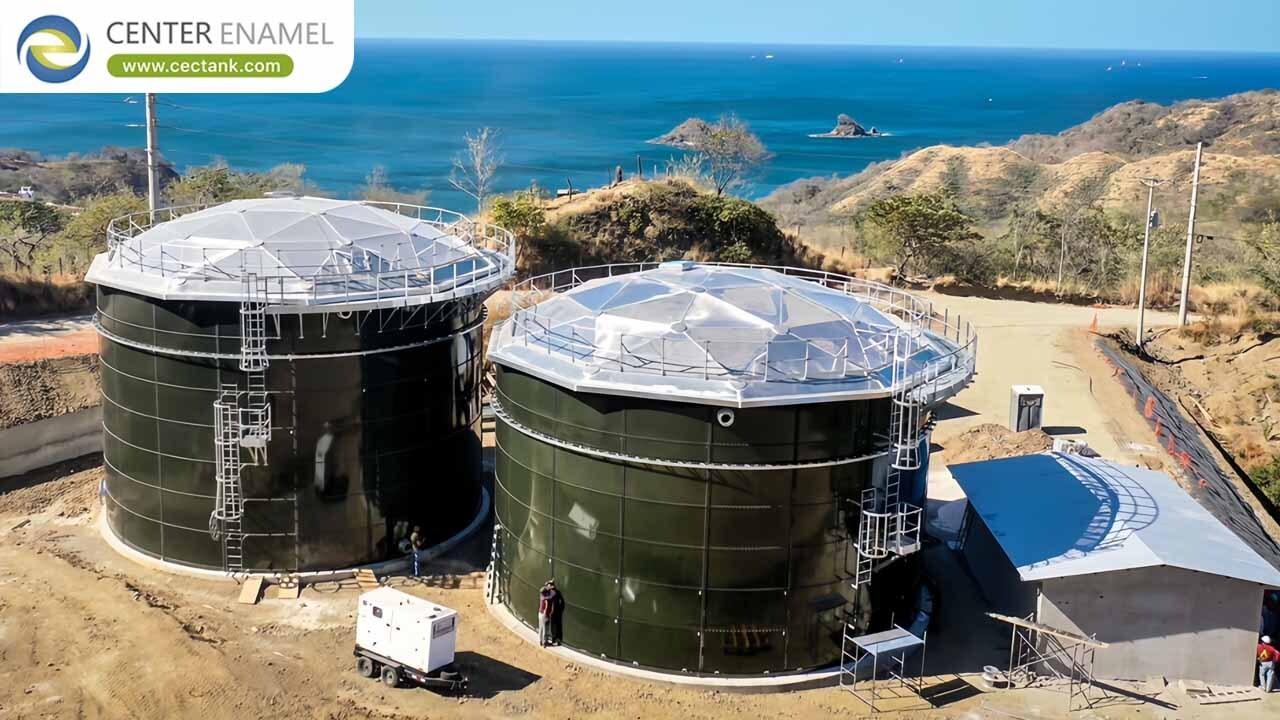
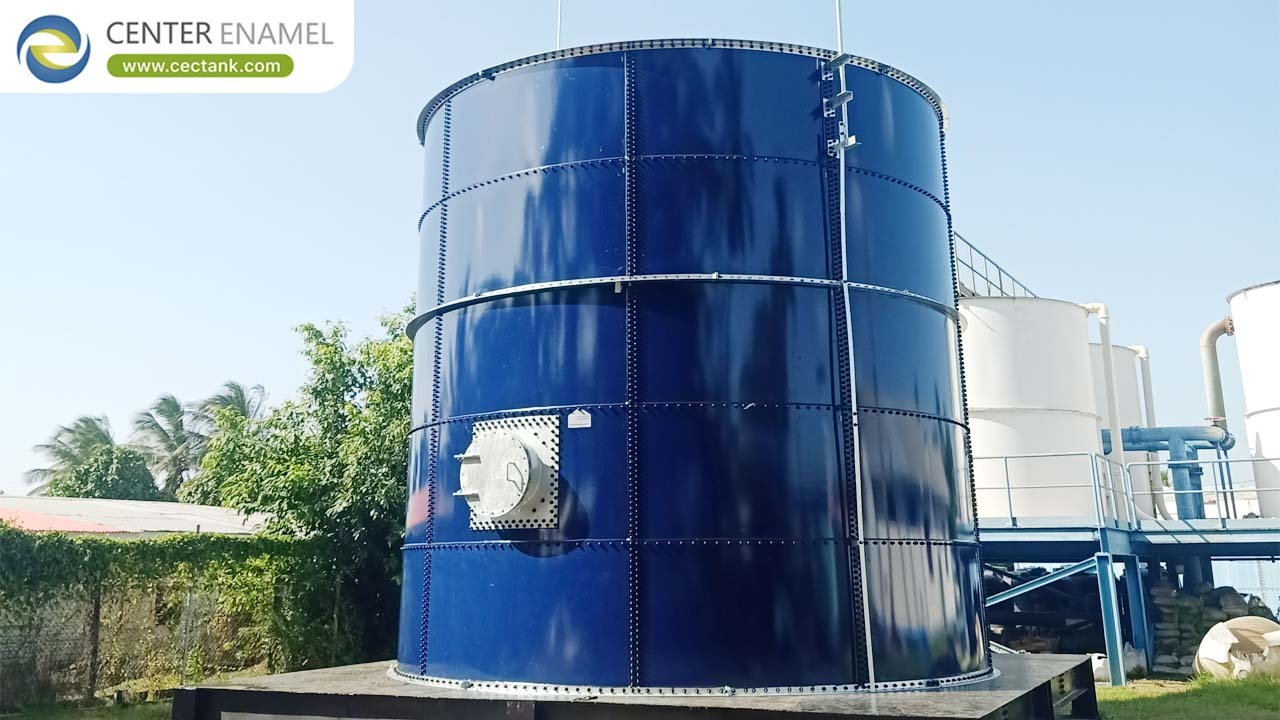
Tanques Industriais de Água de Vidro-Fundido ao Aço (GFS/GLS): O Padrão de Engenharia para Armazenamento de 50.000 Galões
Resposta direta: Para autoridades municipais de abastecimento de água, sistemas de proteção contra incêndios e plantas industriais de processamento, Tanques de armazenamento de água de 50.000 galões revestidos com vidro fundido ao aço (GFS) representam o padrão global de excelência em termos de longevidade dos ativos e qualidade da água. Ao combinar a resistência mecânica do aço carbono de alta qualidade com a absoluta inércia química de um revestimento de vidro inorgânico, esses tanques modulares oferecem uma vida útil operacional de mais de 30 anos sem necessidade de manutenção, superando significativamente os tradicionais reservatórios de aço pintados com epóxi ou de concreto poroso.
1. Por que 50.000 galões? A vantagem modular
Uma capacidade de 50.000 galões é o “ponto ideal” para infraestruturas de médio porte. Proporciona volume suficiente para uma reserva confiável de proteção contra incêndios ou para o abastecimento contínuo de processos na indústria, mantendo, ao mesmo tempo, um perfil físico gerenciável.
Ao especificar um tanque de 50.000 galões, a transição da construção tradicional soldada no local para o design modular GFS oferece três vantagens cruciais:
- Eficiência de Ocupação do Espaço:Um típico tanque GFS de 50.000 galões requer um diâmetro aproximado de 35 a 36 pés, permitindo sua instalação em terrenos industriais com espaço limitado, ao mesmo tempo em que maximiza o volume vertical.
- Implantação Rápida:Diferentemente do concreto, que exige longos períodos de cura, ou do aço soldado no local, que demanda semanas de trabalho dependente das condições climáticas, um tanque GFS de 50.000 galões é montado utilizando Alçamento sincronizado de cima para baixo. Esse processo reduz consideravelmente o prazo de instalação no local, limitando-o a poucos dias.
- Escalabilidade Futura:Como o tanque é composto por painéis padronizados e parafusados, sua capacidade pode, frequentemente, ser ampliada no futuro mediante a adição de anéis adicionais à base, desde que a fundação e o projeto estrutural estejam preparados para essa eventual expansão.
2. Ciência dos Materiais: A diferença do Vidro Fundido ao Aço (GFS)
O processo de “Aço Revestido com Vidro” (GLS) ou “Vidro Fundido ao Aço” (GFS) é fundamentalmente diferente de um revestimento superficial à base de tinta ou epóxi.
- Fusão molecular:Os painéis de aço carbono são jateados e pulverizados com uma suspensão proprietária de esmalte de vidro, sendo então cozidos em um forno a 820°C a 930°C. Nesses temperaturas, o vidro e o aço sofrem uma reação química, formando uma ligação molecular inseparável.
- Dureza e Inércia:Com dureza de 6,0 na escala de Mohs, a superfície de vidro é extremamente resistente a riscos e quimicamente inerte. Não reage com água, desinfetantes (como o cloro) nem com efluentes industriais, garantindo que a água armazenada permaneça pura e livre de crescimento biológico ou lixiviação de metais.
- Integridade sem Falhas:Cada painel GFS é submetido a um Teste de falha sob alta tensão de 1500V antes de sair da fábrica. Isso assegura que o revestimento de vidro constitua uma barreira contínua e livre de poros, eliminando o principal ponto de falha dos revestimentos tradicionais de tanques: os microssites de corrosão.
3. Conformidade e Normas Estruturais
Para a engenharia e aquisição, a certificação do tanque é tão importante quanto sua capacidade. Para garantir a segurança estrutural e a qualidade da água, tanques dessa capacidade devem atender a normas internacionalmente reconhecidas:
| Padrão | Foco Regulatório | Impacto no Valor do Ativo |
| AWWA D103-09 | Tanques Parafusados com Revestimento de Fábrica | Estabelece fatores de segurança rigorosos para cargas de vento, neve e sismos. |
| NSF/ANSI 61 | Contato com Água Potável | Valida que nenhum produto químico nocivo seja liberado para o abastecimento de água. |
| ISO 28765 | Desempenho do Esmalte Vítreo | Assegura que o revestimento atenda às normas globais de durabilidade e resistência à corrosão. |
| NFPA 22 | Proteção Contra Incêndios | Garante a confiabilidade das reservas de água para supressão emergencial de incêndios. |
4. Simulador de Dimensionamento e Especificações de Tanques
Determinar as dimensões exatas para o seu local requer equilibrar o volume necessário com a área disponível. Utilize o simulador abaixo para calcular as dimensões estruturais e a quantidade de aço necessária para um tanque com capacidade de 50.000 galões.
5. Perguntas Frequentes (FAQ)
Como faço para manter um tanque GFS de 50.000 galões?
A manutenção é mínima em comparação com outros tipos de tanques. Devido à superfície vítrea ser não porosa e extremamente lisa, ela não favorece o crescimento de biofilmes nem de algas. A manutenção rotineira geralmente se limita a uma inspeção visual anual do exterior em busca de danos físicos, verificação do torque dos parafusos e checagem da integridade do selante da base.
O revestimento GFS é propenso a rachaduras?
Não. O coeficiente de expansão térmica do revestimento de vidro foi projetado para corresponder ao substrato de aço carbono. Isso permite que os dois materiais se expandam e contraiam juntos durante as variações de temperatura, evitando rachaduras ou descamações frequentemente observadas em revestimentos frágeis de porcelana ou esmaltes baratos.
Um tanque GFS pode ser utilizado para água de incêndio?
Sim, e trata-se de uma solução preferida. NFPA 22 exige um armazenamento confiável e de longo prazo de água para proteção contra incêndios. A resistência à corrosão do GFS garante que o tanque não desenvolva fraquezas estruturais nem vazamentos ao longo do tempo, assegurando que toda a reserva de 50.000 galões esteja disponível exatamente quando necessário em caso de emergência.
Se você está atualmente avaliando soluções de contenção para uma instalação industrial, recomendamos solicitar um relatório específico sobre cargas sísmicas e de vento para sua localização. Gostaria de saber mais sobre os requisitos estruturais de fundação para um tanque GFS de 50.000 galões?