
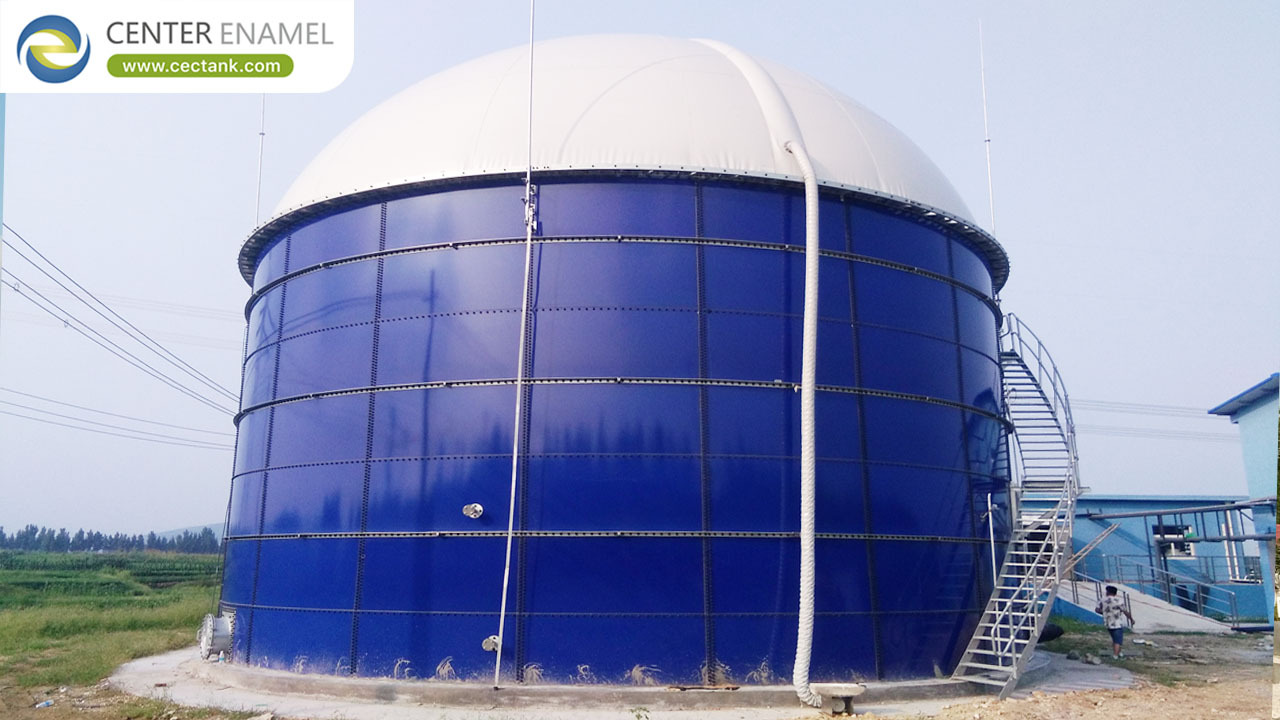
Serbatoi per biogas in vetrofuso su acciaio (GFS) da 500.000 galloni: lo standard d’oro per la digestione anaerobica
Per le grandi impianti di biogas, la vostra infrastruttura di stoccaggio non è solo un contenitore: è un reattore chimico fondamentale. Durante la lavorazione dei rifiuti organici, l’ambiente interno risulta estremamente aggressivo, caratterizzato da elevate concentrazioni di acido solfidrico (H2S) e di acidi organici. Materiali standard come l’acciaio al carbonio o il calcestruzzo spesso subiscono corrosione microbica indotta (MIC), causando costose perdite e deterioramento strutturale.
A 500.000 galloni (circa 1.900 m³) Serbatoio in vetro-fuso‑su‑acciaio (GFS) dotato di tetto a doppia membrana offre la combinazione ideale di resistenza chimica, integrità strutturale ed efficienza operativa. Questo sistema è sempre più riconosciuto da ingegneri e gestori degli impianti come la soluzione a più alto rendimento e con il più basso TCO (Costo Totale di Proprietà) per i moderni impianti di biogas.
Perché la tecnologia GFS per il biogas?
Il processo di vetro-fuso‑su‑acciaio prevede la fusione di una fritta di vetro silicato su lastre d’acciaio ad alta resistenza, a temperature superiori a 820 °C. Ciò crea un legame molecolare, inorganico, che offre vantaggi superiori rispetto ai tradizionali serbatoi saldati in cantiere:
Immunità alla corrosione: a differenza dei rivestimenti epossidici, soggetti a sfaldamento o formazione di bolle, la superficie GFS è fusa termicamente all’acciaio. È chimicamente inerte e immune all’atmosfera acida e ricca di zolfo tipica di un digestore anaerobico.
Superficie non porosa: La superficie liscia, dura come il vetro, impedisce l’adesione di biofilm e schiuma, garantendo un efficace mescolamento e massimizzando l’attività batterica indispensabile per la produzione di biogas.
Costruzione modulare: i nostri serbatoi sono prefabbricati in uno stabilimento certificato ISO e assemblati in loco mediante un metodo modulare a bulloni. Ciò assicura una qualità costante e tempi di costruzione notevolmente più rapidi rispetto al calcestruzzo gettato in opera.
Il ruolo strategico del tetto a doppia membrana
Per un digestore da 500.000 galloni, gestire il volume di biogas è importante quanto lo stesso stoccaggio. Un tetto a doppia membrana funge da accumulatore integrato di gas, offrendo importanti benefici operativi:
Flessibilità del volume di gas: La membrana interna si espande e contrae in base al volume di biogas immagazzinato, evitando sovrapressurizzazioni e assicurando una fornitura costante di gas alle vostre unità CHP (Cogenerazione) o ai sistemi di upgrading.
Pressione costante: Lo spazio pressurizzato tra la membrana interna e quella esterna (la camera d’aria) mantiene una pressione di scarico costante, ottimizzando l’efficienza delle vostre apparecchiature di utilizzo del gas.
Sigillatura superiore: Creando una tenuta ermetica sull’intero serbatoio, il sistema a doppia membrana previene le perdite di metano, contribuendo al rispetto degli obblighi ambientali e massimizzando i ricavi derivanti dal biogas recuperato.
Resistenza agli agenti atmosferici: La robusta membrana esterna è progettata per resistere a vento estremo, neve e radiazioni UV, proteggendo l’intero impianto per decenni.
Prestazioni comparative: tecnologie per serbatoi e coperture
| Caratteristica | Serbatoio GFS + Doppia membrana | Serbatoio in calcestruzzo gettato | Serbatoio saldato in acciaio al carbonio |
| Resistenza alla corrosione | Superiore (Vetro inerte) | Basso (suscettibile agli acidi) | Basso (richiede rivestimento) |
| Velocità di installazione | Veloce (modulare) | Lento (Settimane/Mesi) | Moderato |
| Tenuta ai gas | Eccellente (ermetico) | Moderata (microfessurazione) | Moderata (difetti di saldatura) |
| Manutenzione | Minimo | Alto (riparazione delle crepe) | Alto (riverniciatura) |
| Durata di vita | Oltre 30 anni | 20–30 anni | 15–20 anni |
Domande frequenti (FAQ)
Domanda: Perché 500.000 galloni rappresentano una capacità comune nei progetti di biogas?
R: Una capacità di 500.000 galloni (circa 1.900 m³) offre un equilibrio ottimale per impianti municipali di trattamento delle acque reflue di medie e grandi dimensioni, digestori commerciali di rifiuti alimentari e strutture per il trattamento del letame agricolo, garantendo un tempo di ritenzione sufficiente per massimizzare la degradazione microbica, mantenendo al contempo un ingombro compatto.
Domanda: Come gestisce il rivestimento GFS le fluttuazioni di temperatura?
R: I serbatoi GFS sono termicamente stabili. Il rivestimento è stato progettato per sopportare i cicli termici tipici della digestione anaerobica mesofila e termofila (generalmente tra 35°C e 55°C), senza crepe né delaminazioni.
Domanda: È possibile ampliare il serbatoio se la produzione di biogas aumenta?
R: Sì. La struttura modulare e avvitata dei nostri serbatoi GFS consente una futura scalabilità. Se la disponibilità di materiale di alimentazione dovesse aumentare, è spesso possibile aggiungere ulteriori anelli al serbatoio esistente per incrementarne la capacità, preservando così l’investimento iniziale.
Domanda: La doppia membrana richiede manutenzione specializzata?
R: Il sistema a membrana è progettato per la durabilità, ma richiede ispezioni periodiche delle unità di soffiaggio (che mantengono la pressione dell’aria) e delle valvole di sicurezza. Rispetto all’enorme lavoro necessario per sabbiare e ridipingere i serbatoi in acciaio, la manutenzione richiesta è minima.
Collaborazione per la vostra infrastruttura di biogas
Con oltre 30 anni di esperienza, Center Enamel è leader mondiale nella fornitura di serbatoi GFS e sistemi di copertura a doppia membrana. Offriamo assistenza completa, dall’ingegneria strutturale e dai calcoli fondazionali specifici per ciascun sito fino al montaggio professionale e modulare.
Pronto a dare avvio al tuo progetto di biogas da 500.000 galloni? Contatta oggi stesso il nostro team di ingegneria per richiedere uno studio di fattibilità strutturale e una proposta tecnica su misura in base alla tua materia prima e agli obiettivi di produzione del gas.