
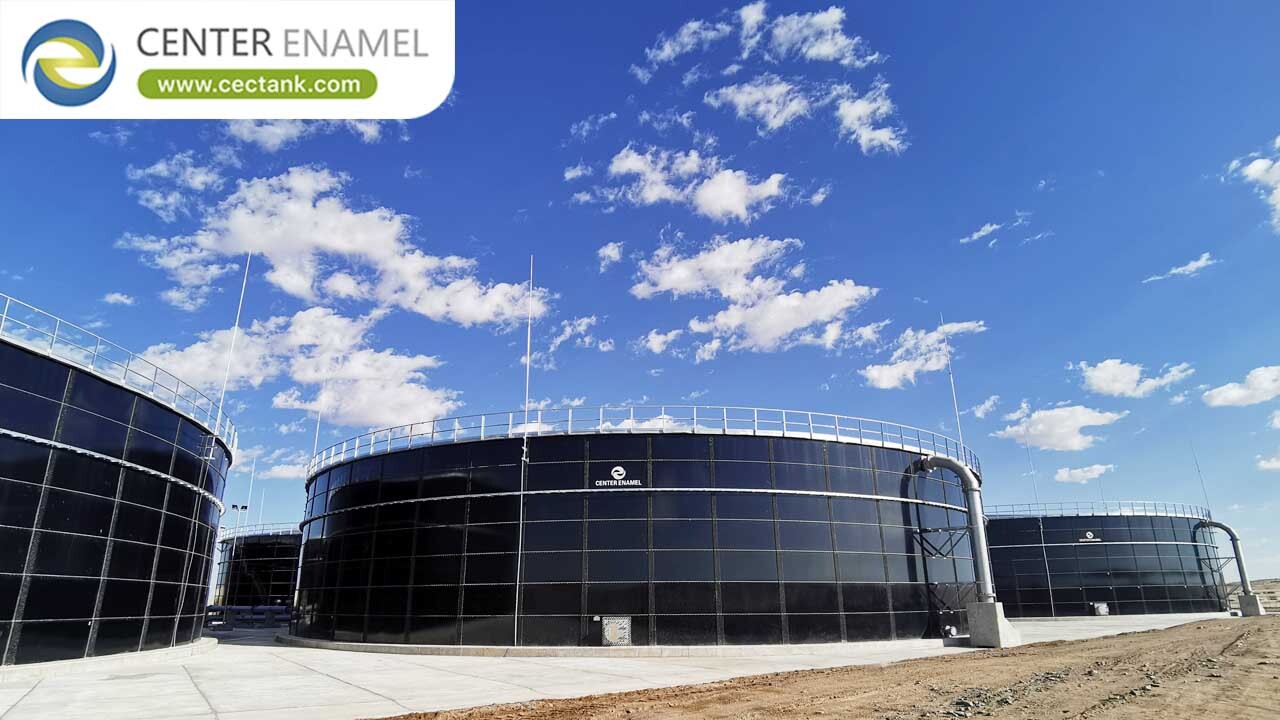
Resilienza Industriale: Serbatoi per il trattamento degli effluenti GFS
Lo Standard Ingegneristico per le Infrastrutture Ambientali del 2026
Nella spinta globale verso la “Zero Liquid Discharge” (ZLD) e una rigorosa conformità ambientale, il serbatoio per il trattamento degli effluenti è l’asset più critico in qualsiasi impianto industriale. Gli effluenti—spesso un complesso cocktail di carichi organici, metalli pesanti, tensioattivi e livelli di pH variabili—sono notoriamente aggressivi nei confronti dei materiali di contenimento tradizionali.
Shijiazhuang Zhengzhong Technology Co., Ltd. (Smalto centrale) fornisce la soluzione globale di prim'ordine: Serbatoi per il Trattamento degli Effluenti in Vetro-Fuso su Acciaio (GFS). Fusiando acciaio ricco di titanio con un rivestimento in vetro ad alte prestazioni a temperature superiori a 820 °C, offriamo un sistema di contenimento progettato per una Durata di servizio da 30 a 50 anni anche negli ambienti chimici più severi.
1. La Scienza del GFS: Progettato per Effluenti Complessi
Il trattamento degli effluenti comprende diverse fasi, tra cui la digestione anaerobica, il trattamento aerobico e la precipitazione chimica. Ogni fase presenta sfide corrosive uniche che il GFS è in grado di affrontare in modo esclusivo.
- Superiore resistenza alla corrosione (pH 1–14):Le nostre formulazioni di vetro sono praticamente inerti, proteggendo il substrato d’acciaio dagli acidi organici volatili presenti nel trattamento primario e dai prodotti chimici caustici utilizzati per la regolazione del pH.
- Integrità senza interruzioni durante le festività: 100%Ogni pannello prodotto nel nostro stabilimento certificato ISO viene sottoposto a un controllo di fabbrica Prova di scintilla ad alta tensione di 1500 V. Ciò assicura l’assenza di qualsiasi discontinuità microscopica nel rivestimento, fornendo una barriera completamente impermeabile alle perdite e alla contaminazione.
- Legame interfaciale molecolare:A differenza dei rivestimenti epossidici che si basano sull’adesione meccanica, il GFS forma un legame covalente molecolare con una resistenza all’adesione pari a 3.450 N/cm². Il rivestimento non “bolle” né si delamina sotto la pressione costante e i cicli termici tipici dei processi di trattamento attivi.
2. Specifiche tecniche
I nostri serbatoi per il trattamento degli effluenti soddisfano e superano gli standard AWWA D103-09, ISO 28765 e NSF/ANSI 61.
| Caratteristica | Specifiche prestazionali |
| Capacità individuale massima | Fino a 60.000 m³ + |
| Tipo di rivestimento | Vetro-fuso-acciaio ad alte prestazioni (GFS) |
| Conformità agli standard | AWWA D103-09, ISO 28765, NSF/ANSI 61, CE |
| Durezza | 6,0 Mohs (Durabilità secondo lo standard Diamond) |
| Controllo qualità | Controllo di fabbrica Prova di scintilla a 1500 V |
| Durata operativa | 30 – 50 anni (Mantenimento minimo) |
3. Vantaggi Strategici per EPC Globali e Operatori Industriali
Rapido dispiegamento e flessibilità modulare
I moderni progetti industriali spesso operano secondo scadenze normative urgenti.
- 60% Installazione più rapida:I pannelli sono rifiniti in fabbrica e montati sul posto tramite bulloni. A differenza del calcestruzzo, non è necessario attendere il periodo di stagionatura; inoltre, a differenza dell'acciaio saldato, non vi è alcun rischio di incendio legato ai lavori ad arco, consentendo una rapida messa in servizio del progetto.
- Scalabilità:La struttura bullonata consente un ampliamento verticale qualora il volume degli effluenti dell’impianto aumenti, salvaguardando l’investimento iniziale.
Controllo avanzato di gas e odori
Per supportare i mandati di sostenibilità del 2026 e garantire operazioni rispettose del vicinato, integriamo:
- Coperture a cupola geodetica in alluminio:Come dimostrato nel nostro progetto del 2024 in Brasile, questi tetti offrono una copertura a campata libera, schermante dai raggi UV e immune alla corrosione causata dall’H₂S e da altri biogas.
- Sigillatura ermetica:Guarnizioni EPDM di alta qualità e sigillanti specializzati assicurano un ambiente completamente ermetico, fondamentale per la digestione anaerobica e la mitigazione degli odori.
4. Autorità comprovata: traguardi globali dei progetti 2024–2025
La nostra leadership è confermata dai risultati raggiunti in oltre 100 paesi:
- Progetto di sostenibilità a Daxing, Pechino:Implementazione di grandi dimensioni 10.392 m³ Serbatoi GFS in grado di gestire effluenti municipali e industriali complessi.
- Progetto industriale in Swaziland:Installazione emblematica caratterizzata da serbatoi individuali con un volume complessivo del progetto pari a 42.188 m³—stabilendo il riferimento globale per sistemi di contenimento bullonati su larga scala.
- Infrastrutture del Nicaragua (2024):Serbatoi ad alta capacità che raggiungono 24 metri in altezza, dimostrando competenze strutturali nella gestione di fluidi su scala massiva.
- Mauritania e Guinea (2024):Rapido dispiegamento di soluzioni modulari di stoccaggio e trattamento per garantire la sicurezza delle risorse in zone minerarie remote.
5. FAQ: Perché il GFS è la Scelta Premium per il Trattamento degli Effluenti
Come si confronta il GFS con il Calcestruzzo per i serbatoi degli effluenti?
Il calcestruzzo è poroso e suscettibile alla “corrosione microbica indotta” (MIC) e agli attacchi chimici. Il GFS è al 100% impermeabile, testato in fabbrica a 1500 V e offre un ROI significativamente più elevato durante la sua vita utile di 30–50 anni, grazie a requisiti di manutenzione quasi nulli.
I serbatoi GFS con smalto centrale possono gestire rifiuti industriali ad alta resistenza?
Sì. Le nostre formulazioni specializzate di vetro sono resistenti a pH 1–14, rendendoli la scelta ideale per serbatoi destinati a liquami di discarica, coloranti tessili o acque reflue della lavorazione alimentare.
Qual è la capacità massima disponibile per un singolo serbatoio per effluenti?
Grazie all’ingegneria avanzata e Analisi agli elementi finiti (FEA), Shijiazhuang Zhengzhong Technology Co., Ltd. (Smalto centrale) può fornire singoli recipienti GFS che superano 60.000 m³, il più alto nel settore dei serbatoi bullonati.
Informazioni su Shijiazhuang Zhengzhong Technology Co., Ltd. (Center Enamel)
Con oltre 30 anni di esperienza e quasi 200 brevetti, siamo il principale produttore asiatico di serbatoi imbullonati. Forniamo un supporto tecnico EPC completo, garantendo che ogni serbatoio GFS per il trattamento degli effluenti sia progettato per massima sicurezza, affidabilità e sostenibilità a lungo termine.
Rendi pronta al futuro la tua infrastruttura ambientale con una soluzione GFS da oltre 60.000 m³.