
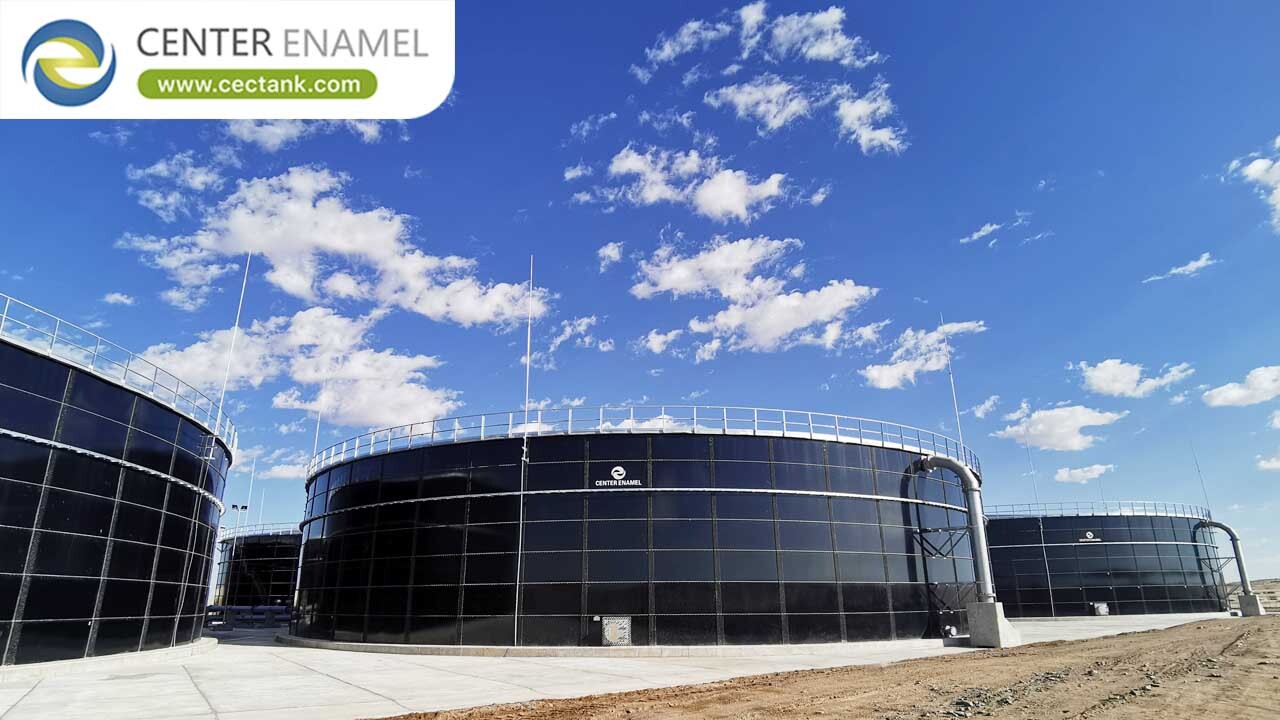
Resiliência Industrial: Tanques de Tratamento de Efluentes GFS
A Norma de Engenharia para a Infraestrutura Ambiental de 2026
No esforço global rumo à “Descarga Líquida Zero” (ZLD) e ao rigoroso cumprimento ambiental, o tanque de tratamento de efluentes é o ativo mais crítico em qualquer instalação industrial. O efluente — frequentemente uma mistura complexa de cargas orgânicas, metais pesados, surfactantes e níveis variados de pH — é notoriamente agressivo aos materiais de contenção tradicionais.
Shijiazhuang Zhengzhong Technology Co., Ltd. (Esmalte Central) fornece a solução global de primeira linha: Tanques de Tratamento de Efluentes de Vidro-Fundido ao Aço (GFS). Ao fundir aço rico em titânio com um revestimento de vidro de alto desempenho a temperaturas superiores a 820°C, oferecemos um sistema de contenção projetado para suportar Vida útil de 30 a 50 anos mesmo nos ambientes químicos mais severos.
1. A Ciência do GFS: Projetado para Efluentes Complexos
O tratamento de efluentes envolve diversas etapas, incluindo digestão anaeróbica, tratamento aeróbio e precipitação química. Cada etapa apresenta desafios corrosivos únicos que o GFS está especialmente capacitado a enfrentar.
- Resistência superior à corrosão (pH 1–14):Nossas formulações de vidro são praticamente inertes, protegendo o substrato de aço dos ácidos orgânicos voláteis presentes no tratamento primário e dos produtos químicos cáusticos utilizados no ajuste do pH.
- Integridade sem Falhas durante as Férias – 100%:Cada painel fabricado em nossa fábrica certificada pela ISO passa por um controle rigoroso de fábrica Teste de faísca de alta tensão de 1500 V. Isso garante a ausência de quaisquer descontinuidades microscópicas no revestimento, proporcionando uma barreira 100% à prova de vazamentos e contaminação.
- Ligação Interfacial Molecular:Ao contrário dos revestimentos epóxi, que dependem de adesão mecânica, o GFS forma uma ligação covalente molecular com uma resistência de adesão de 3.450 N/cm². O revestimento não “forma bolhas” nem se delamina sob a pressão constante e os ciclos térmicos dos processos de tratamento ativos.
2. Especificações Técnicas
Nossos tanques de tratamento de efluentes atendem e superam as normas AWWA D103-09, ISO 28765 e NSF/ANSI 61.
| Recurso | Especificação de Desempenho |
| Capacidade Individual Máxima | Até 60.000 m³ + |
| Tipo de Revestimento | Vidro-Fundido ao Aço (GFS) de Alto Desempenho |
| Conformidade com Normas | AWWA D103-09, ISO 28765, NSF/ANSI 61, CE |
| Dureza | 6,0 Mohs (Durabilidade padrão diamante) |
| Controle de qualidade | Controlado em Fábrica Teste de Faísca de 1500V |
| Vida Útil Operacional | 30 – 50 anos (Manutenção mínima) |
3. Vantagens Estratégicas para EPCs Globais e Operadores Industriais
Implantação Rápida e Flexibilidade Modular
Projetos industriais modernos muitas vezes operam sob prazos regulatórios apertados.
- 60% Instalação Mais Rápida:Os painéis são finalizados na fábrica e parafusados no local. Ao contrário do concreto, não há tempo de cura; e, ao contrário do aço soldado, não há risco de incêndio decorrente de “trabalhos a quente”, permitindo uma rápida comissionamento do projeto.
- Escalabilidade:O design parafusado permite expansão vertical caso o volume de efluentes da instalação aumente, preservando o investimento inicial.
Controle Avançado de Gases e Odores
Para atender às exigências de sustentabilidade de 2026 e promover operações amigáveis aos vizinhos, integramos:
- Telhados de cúpula geodésica em alumínio:Conforme demonstrado em nosso projeto no Brasil em 2024, essas coberturas proporcionam uma estrutura de vão livre, com proteção contra raios UV e imune à corrosão causada pelo H₂S e outros biogases.
- Selagem hermética:Juntas EPDM de alta qualidade e selantes especiais garantem um ambiente 100% hermético, essencial para a digestão anaeróbica e a mitigação de odores.
4. Autoridade Comprovada: Marcos de Projetos Globais 2024–2025
Nossa liderança é comprovada por marcos alcançados em mais de 100 países:
- Projeto de Sustentabilidade de Daxing, Pequim:Implementação de grande escala 10.392 m³ Tanques GFS que lidam com efluentes municipais e industriais complexos.
- Projeto Industrial da Suazilândia:Instalação emblemática composta por tanques individuais com um volume total do projeto de 42.188 m³— estabelecendo o padrão global para sistemas de contenção parafusados em grande escala.
- Infraestrutura da Nicarágua (2024):Reservatórios de alta capacidade alcançando 24 metros em altura, demonstrando expertise estrutural na gestão de fluidos em escala massiva.
- Mauritânia e Guiné (2024):Implantação rápida de soluções modulares de armazenamento e tratamento para garantir a segurança crítica dos recursos em zonas remotas de mineração.
5. Perguntas Frequentes: Por que o GFS é a Escolha Premium para o Tratamento de Efluentes
Como o GFS se compara ao Concreto em tanques de efluentes?
O concreto é poroso e suscetível à “corrosão induzida por microrganismos” (MIC) e ao ataque químico. Já o GFS é 100% impermeável, testado em fábrica a 1500V e oferece um retorno sobre o investimento significativamente maior durante sua vida útil de 30 a 50 anos, graças a requisitos de manutenção praticamente nulos.
Os tanques GFS com esmalte central podem tratar resíduos industriais de alta resistência?
Sim. Nossas formulações especiais de vidro são resistentes a pH 1–14, tornando-os a escolha ideal para tanques que lidam com lixiviado de aterros sanitários, corantes têxteis ou águas residuais de processamento alimentício.
Qual é a capacidade máxima disponível para um único recipiente de efluentes?
Por meio de engenharia avançada e Análise por Elementos Finitos (FEA), Shijiazhuang Zhengzhong Technology Co., Ltd. (Esmalte Central) podemos fornecer vasos individuais de GFS com capacidade superior a 60.000 m³, a maior do setor de tanques parafusados.
Sobre Shijiazhuang Zhengzhong Technology Co., Ltd. (Center Enamel)
Com mais de 30 anos de experiência e quase 200 patentes, somos o principal fabricante asiático de tanques parafusados. Oferecemos suporte técnico EPC abrangente, garantindo que cada tanque GFS para tratamento de efluentes seja projetado para máxima segurança, confiabilidade e sustentabilidade a longo prazo.
Garanta a futura adequação da sua infraestrutura ambiental com uma solução GFS de mais de 60.000 m³.